
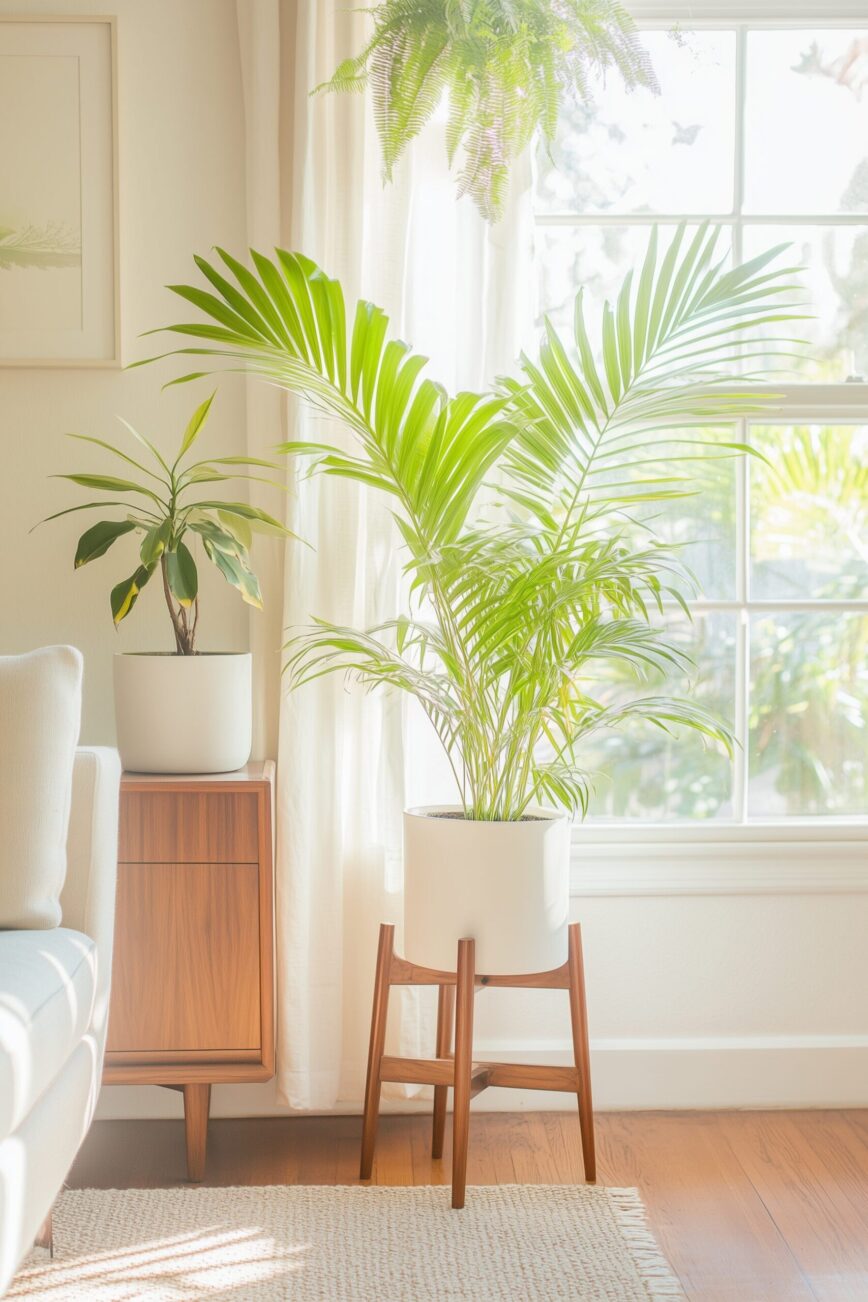
Pet-safe plants aren’t easy to come by. You want cleaner air. You want a calmer space. You want no panic when the dog tests the new fern in your living room. Same. A few years ago, instead of plants that are “pretty but poisonous,” I switched to plants that are safe for cats and dogs, and it was an instant vibe check. Softer textures, rooms that smelled fresher, and fewer “Is this safe?!” Google searches at 11 p.m. The best part? You don’t have to sacrifice aesthetics for pet safety.
If you want a quick answer, here’s an easy answer. The nine best pet-safe and air-freshing houseplants are a parlor palm, areca palm, bamboo palm, a Boston fern, a bird’s nest fern, a spider plant, a prayer plant, a baby rubber plant (or peperomia), and a cast iron plant. They have good looks, are forgiving plants that naturally help with air quality. For apartment dwellers, these plants work beautifully in earthy modern living room ideas, bedroom corners that fit a rental space, and low-light nooks—all for the person who has pinned the search terms “pet-safe houseplants that clean the air,” “non-toxic air purifying plants for cats and dogs,” and small apartments with plant styling. In a weekend you can create a mini jungle that doesn’t stress you or your pets out.
The rest of this space I’ll share everything about the plants including care needs, where to use them for their best benefit, and the tricks I use to help me style them so that they look editorial in real life. I will add some quick care tools that I (actually use) moisture meter, an indoor mix, grow light, and pruning shears, so you can keep your plants healthy without leaning heavily on Instagram . There will be no affiliate links in this intro, but I do include shoppable resources at the end of each section.
Is the parlor palm a pet-safe plant?
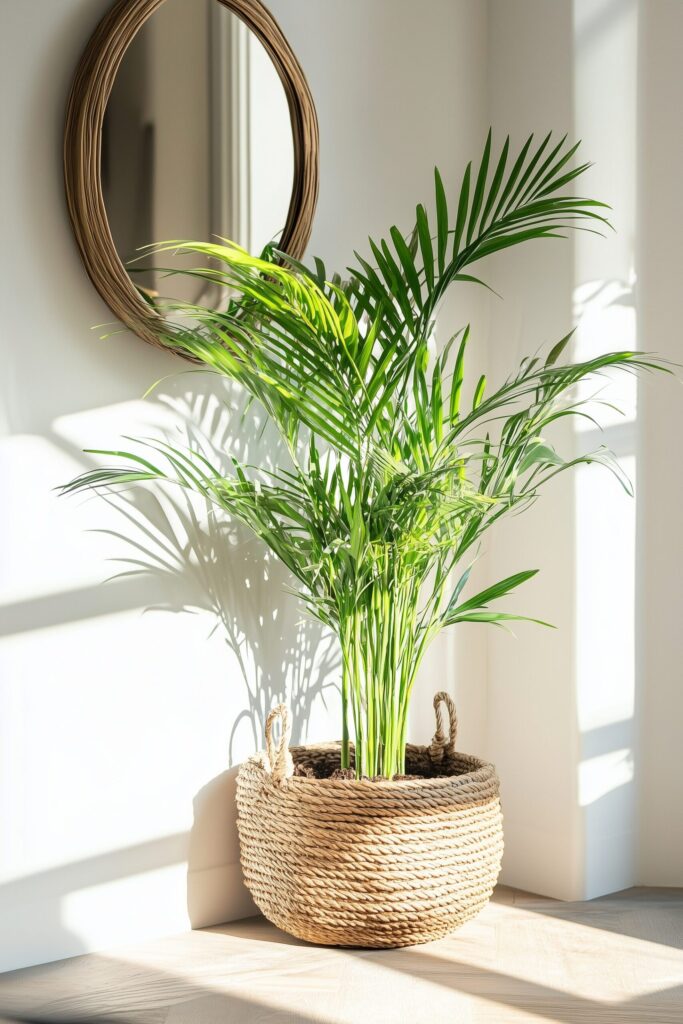
This soft, feathery, and timeless parlor palm (Chamaedorea elegans) will thrive best in bright, indirect sunlight, but will tolerate a relatively low light situation. It likes to sip water – it is best to wait until the top inch of soil has dried before watering. Parlor palms are slow growers, but will instantly make any shelf or credenza just feel stylish.
Care helps:
- Use a well-draining indoor mix like Miracle-Gro Indoor Potting Mix.
- Check moisture with the XLUX Soil Moisture Meter so you don’t overwater.
- Dust fronds with a microfiber cloth; snip crispy tips using Fiskars pruning shears.
Shop: parlor palm
Is the areca palm really a pet-safe plant?
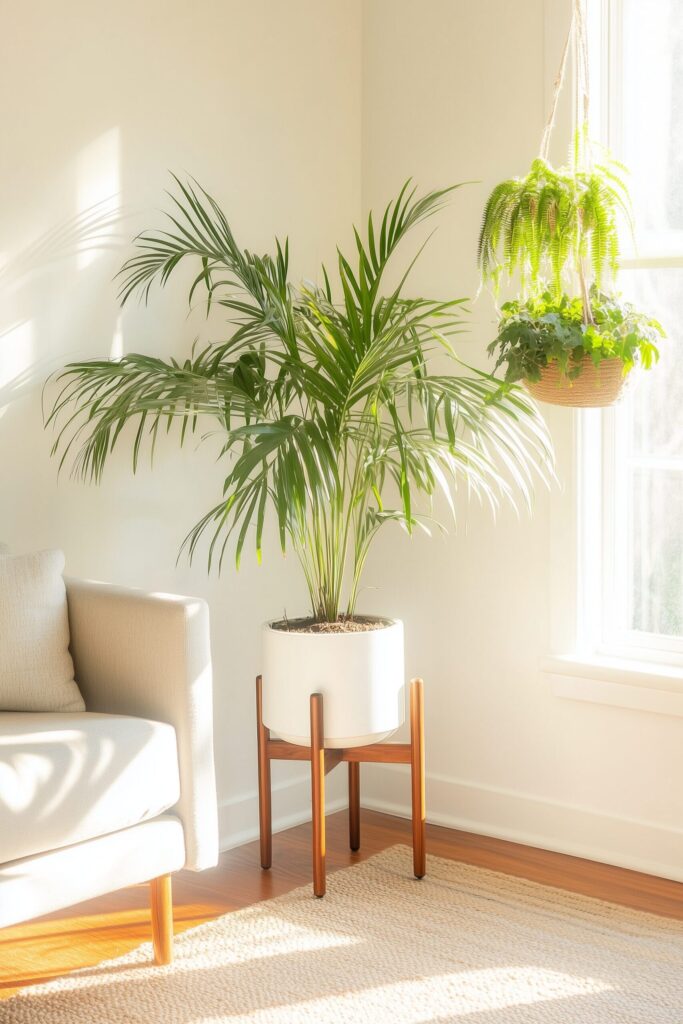
Yes. The areca palm (Dypsis lutescens) gives you that “resort in the living room” feeling, with golden-green fronds that love bright, filtered light. Water when the top 1–2 inches are dry; in winter, ease up. It’s excellent for larger rooms and looks especially good in a mid-century planter beside a sofa.
Styling + care:
- Pair with a walnut stand like the Mkono Plant Stand.
- Pot in a wide, lightweight planter—try Mkono plastic planters.
- If your room is dim, supplement with the GooingTop LED Grow Light.
Shop: areca palm
Which palm is best for narrow corners—bamboo palm or something else?
The bamboo palm (Chamaedorea seifrizii) wins for slim spaces. Stems resemble bamboo culms, and the plant stays tidy. It’s forgiving with medium light and once-a-week check-ins. Keep it slightly moist but never soggy.
Try this:
- Use a moisture meter like XLUX if you’re an over-waterer.
- Refresh soil yearly with Miracle-Gro Indoor Potting Mix.
- Clip browning leaflets with Fiskars pruning shears.
Shop: bamboo palm
Are Boston ferns safe for cats—and how do you keep them lush?
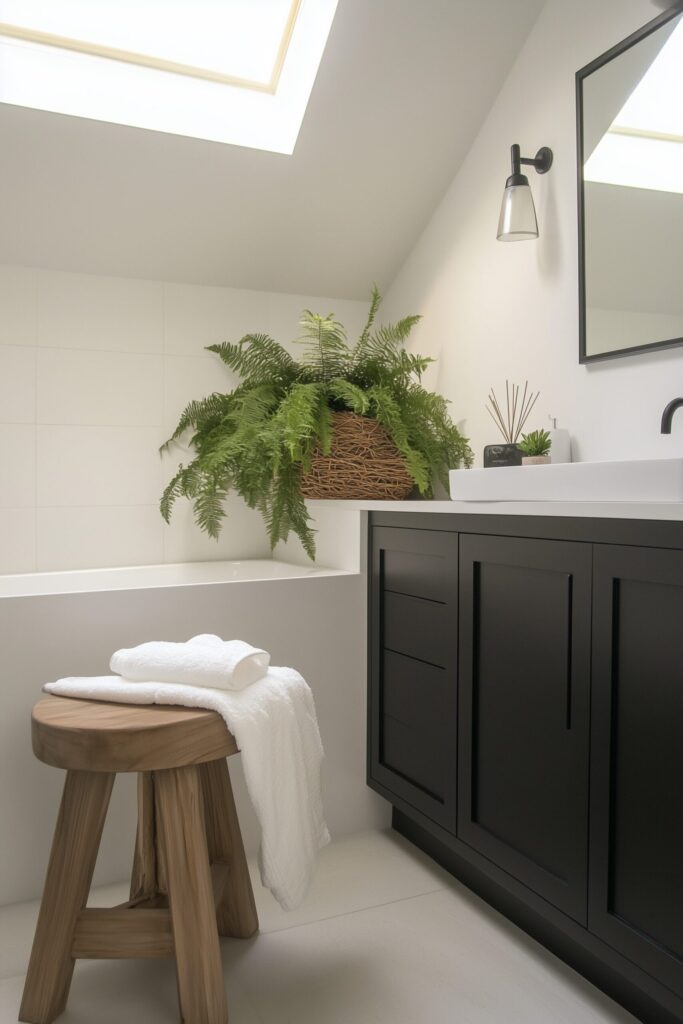
Boston fern (Nephrolepis exaltata) iconic for a reason and pet-safe! It does best in bright, indirect light with high humidity. The key is consistently moist soil, and a morning misting. In dry homes, a bathroom window and/or a pebble tray will work wonders in helping your fern thrive, and soften the air and tile-heavy spaces.
Keeping it fluffy:
- Water evenly with a narrow-spout watering can.
- Place under a GooingTop LED Grow Light during darker months.
- Trim ragged fronds using Fiskars pruning shears.
Shop: Boston fern
What makes a bird’s nest fern the easiest fern for beginners?
The bird’s nest fern (Asplenium nidus) showcases wavy fronds with an eye-catching form that make it a design-quality plant without being fussy. It prefers medium light and consistent—but moderate—moisture. While other ferns can be picky about missed misting, the bird’s nest is more forgiving. It has a very clean, sculptural form that lends itself well to nightstands or console table.
Set up for success:
- Use airy mix plus a splash of perlite (start with Miracle-Gro Indoor Potting Mix).
- Water at the soil line—avoid pooling in the rosette—with a controlled-pour watering can.
- Wipe leaves monthly; snip damaged edges with Fiskars pruning shears.
Shop: bird’s nest fern
Do spider plants really clean the air—and why do cats love them?
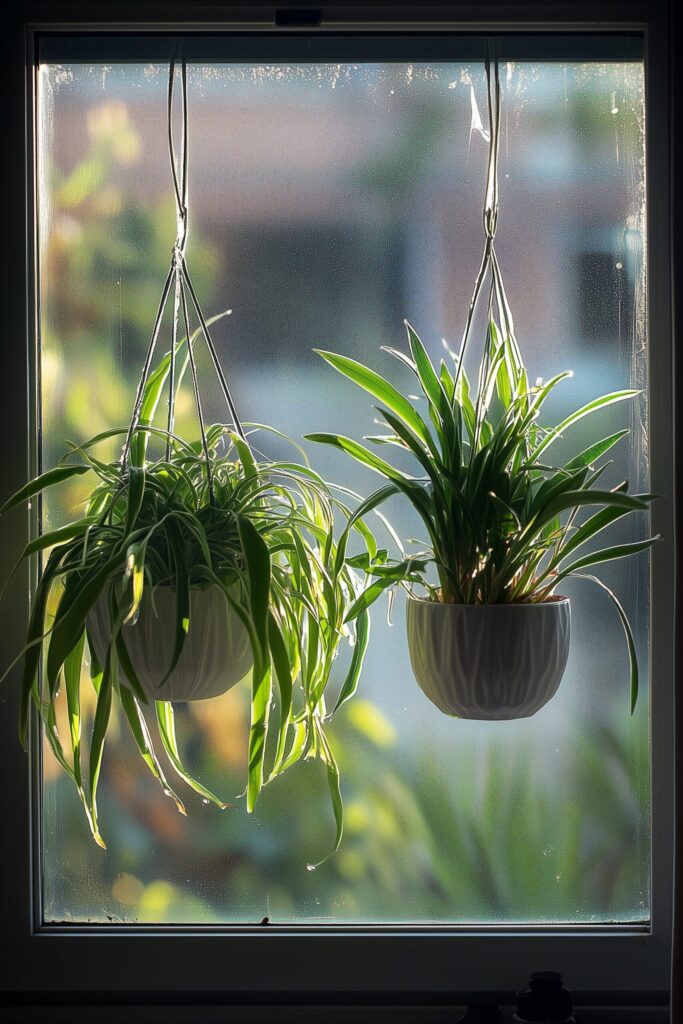
The Spider plant (Chlorophytum comosum) is a classic for a reason. The variegated ribbons bring brightness to your shelves and hanging planters, and the pups love to bat at the baby plantlets. Non-toxic, does well in medium light, and can tolerate a little drying out. Bonus: They put out little “spiderettes” that are easy to propagate!
Care + styling:
- Hang in a window and rotate weekly.
- Feed lightly in spring; repot with Miracle-Gro Indoor Potting Mix.
- Clip spent tips with Fiskars pruning shears.
Shop: spider plant
Which prayer plant is still pet-safe?
For its dense foliage, the prayer plant (Maranta leuconeura) takes the cake. Its leaves fold at night, the leaf patterns spring to life during the day, and it’s safe to have around pets. It’s happiest in bright but indirect light and evenly moist soil. If your house has dry air, you could run a small humidifier nearby or even group it with other plants.
Little upgrades:
- Place on a credenza and uplight with the GooingTop LED Grow Light on a timer.
- Water precisely with a slim-spout watering can.
- Treat leaf pests early using neem oil on a soft cloth.
Shop: prayer plant
Is the baby rubber plant the perfect small-space cleaner?
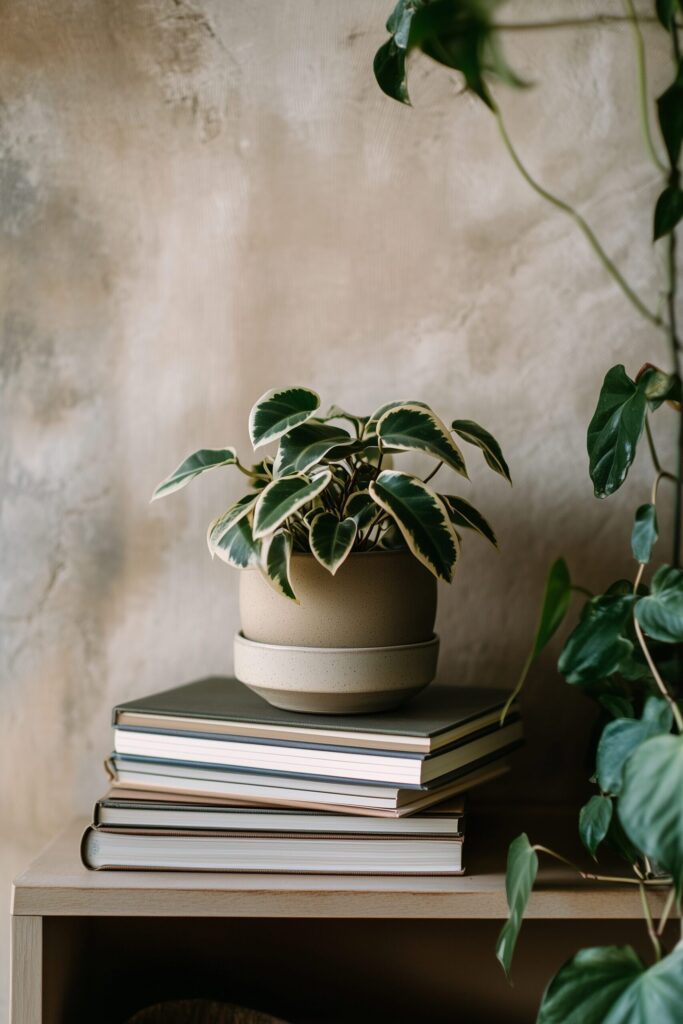
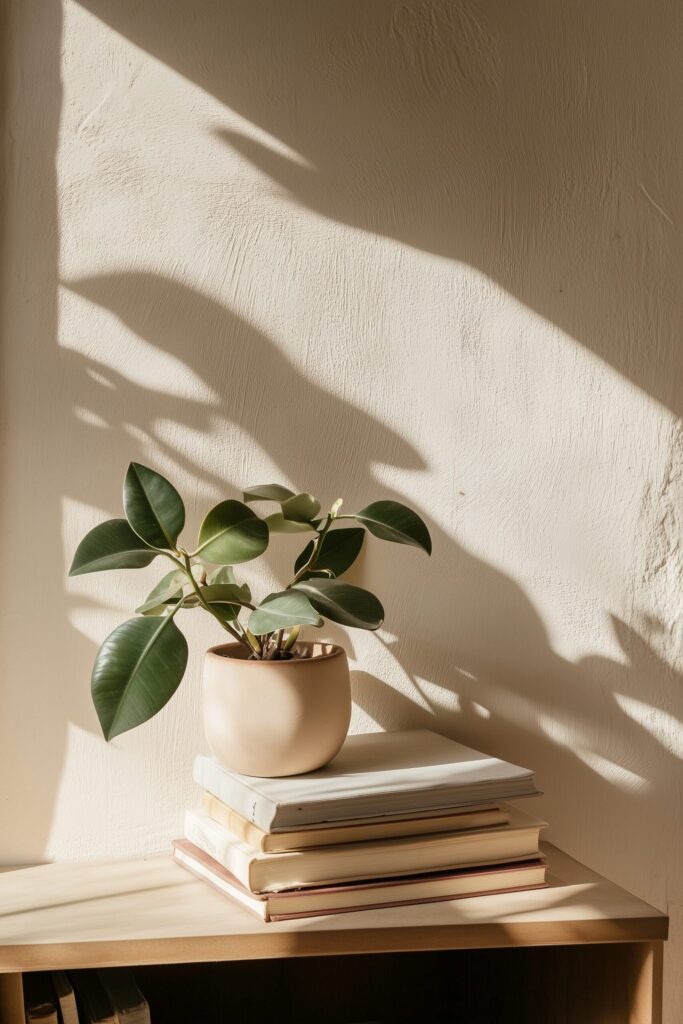
The baby rubber plant (Peperomia obtusifolia) is small, attractive, and low-maintenance. It will survive in moderate light, likes to dry out a bit between watering, and is lovely on bookshelves! Non-toxic. In solid green or mottled color, both say designer.
Essential kit:
- Pot in a 4–6″ planter like this Mkono planters set.
- Check moisture with XLUX Soil Moisture Meter to avoid root rot.
- Snip leggy stems with Fiskars pruning shears.
Shop: baby rubber plant
Can a cast iron plant survive low light and curious pets?
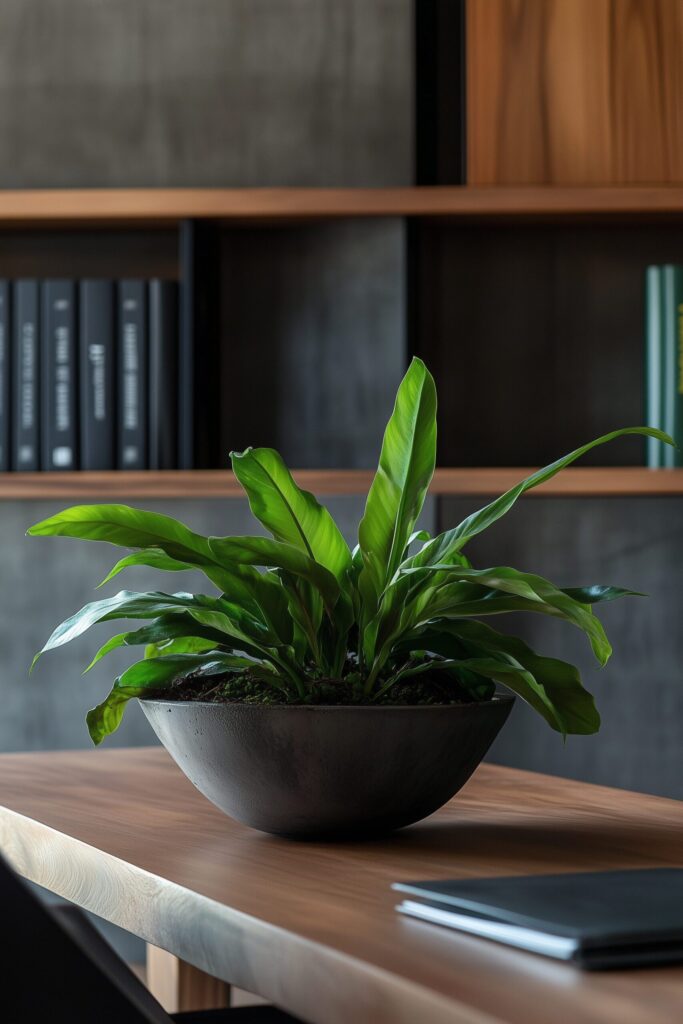
Absolutely. If you’re looking for a plant that ranks high for the category “I forget to water” – it’s going to be cast iron (Aspidistra elatior). It will tolerate low to medium light, it’s not phased when watered inconsistently, and it has a great minimal look with its an upright leaf aesthetic. It makes a nice addition to punctuate an entry, or steady a corner in a living room.
To keep it sleek:
- Dust leaves monthly; trim tips with Fiskars pruning shears.
- Repot every few years with Miracle-Gro Indoor Potting Mix.
- If growth stalls, supplement with a low-profile GooingTop LED Grow Light.
Shop: cast iron plant
How do you style these nine pet-safe plants for a clean-air home?
Utilize layer or height. Thought should be given to choosing a single plant (areca palm) as the tallest plant, and then bringing in a three-pot medium grouping (parlor palm, bird’s nest fern, prayer plant) to give layers of height on a console, being mindful of staggering the heights. Add small (baby rubber plant, spider babies) and tiny plants to the shelves for plants that height to the height layering. For a dark corner, anchor the floor with a cast iron plant. If low light is a challenge, in the home, add a simple grow light on a timer for (10-12) hours. Dust leaves regularly to maximize their air-freshening ability. Trim frequently.
Maintenance cheat sheet:
- Water: Use a watering can once the top inch is dry on most; ferns like consistent moisture.
- Monitor: The XLUX Soil Moisture Meter removes guesswork.
- Feed: During spring/summer, fertilize lightly.
- Pest care: Wipe leaves with diluted neem oil at first signs of trouble.
- Light: If windows are limited, run a GooingTop LED Grow Light on a daily schedule.
Shop: pet-safe houseplants
What should you avoid if you have pets—but want “clean air” plants?
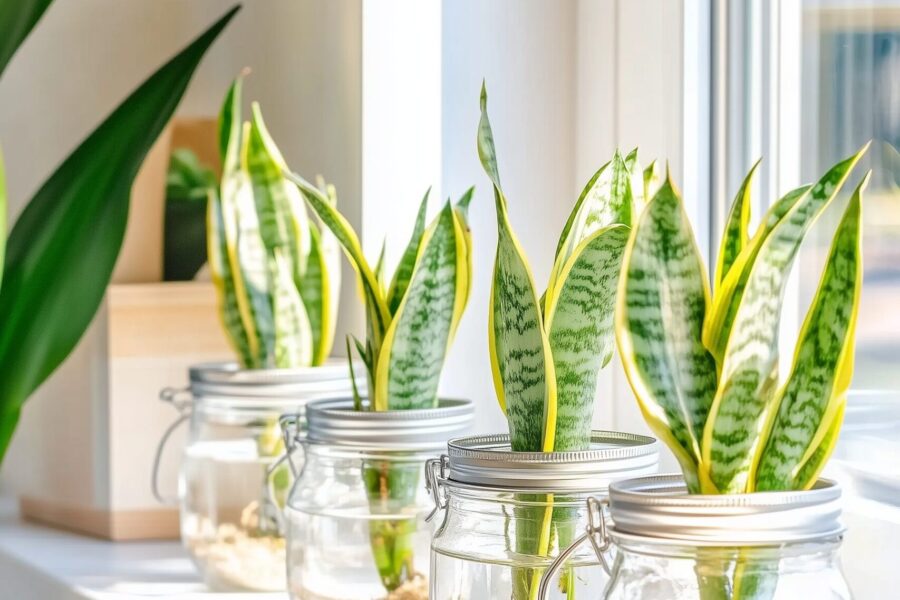
Stay away from fads that are also harmful to your pets, such as the snake plant, pothos, philodendron, dieffenbachia, ZZ plant, sago palm, and peace lily. While they look beautiful, if your cat or dog is the type of pets that nibble on leaves, it’s better not to risk it. If you already own them, keep them out of reach or train the vines up high, and instead focus on the nine, for daily styling at paw-level.
Shop: non-toxic houseplants for pets
Quick Plant-by-Plant Snapshot
- Parlor palm: Low-maintenance, low-to-medium light; great on shelves.
- Areca palm: Bright, filtered light; statement in living rooms.
- Bamboo palm: Narrow footprint; medium light; corner-friendly.
- Boston fern: Humidity lover; bathroom superstar.
- Bird’s nest fern: Sculptural fronds; medium light; beginner fern.
- Spider plant: Hanging baskets; easy propagation; medium light.
- Prayer plant: Patterned leaves; evenly moist; medium to bright indirect light.
- Baby rubber plant: Compact; forgiving watering; shelves and tabletops.
- Cast iron plant: Low light hero; tough, tidy silhouette.
Shop: indoor plant starter kits
Care Toolkit I Actually Use
- Soil: Miracle-Gro Indoor Potting Mix
- Shears: Fiskars pruning shears
- Moisture check: XLUX Soil Moisture Meter
- Grow light: GooingTop LED Grow Light
- Watering: watering can
- Pests: neem oil
- Planters: Mkono plastic planters
- Stand: Mkono Plant Stand
Shop: indoor plant care tools
Q&A
Q: Will these nine plants survive in a north-facing apartment?
A: Yes, with help. Parlor palm, cast iron plant, bird’s nest fern, and spider plant tolerate lower light. Add a small grow light on a timer for the others.
Q: My cat nibbles everything—what’s the safest placement?
A: Use sturdy floor plants (cast iron, palms) in heavy planters and hang spider/prayer plants from the ceiling. Rotate in a few cat grasses so your pet has a “legal” snack.
Q: How often should I repot?
A: Every 1–2 years for faster growers (spider plant), 2–3 years for slower ones (cast iron, parlor palm). Refresh the top inch of soil annually.
Q: Can I use tap water?
A: Most of these handle tap water well. If you notice leaf tips browning, let water sit 24 hours to off-gas chlorine or switch to filtered for prayer plants and ferns.



Leave a Reply