
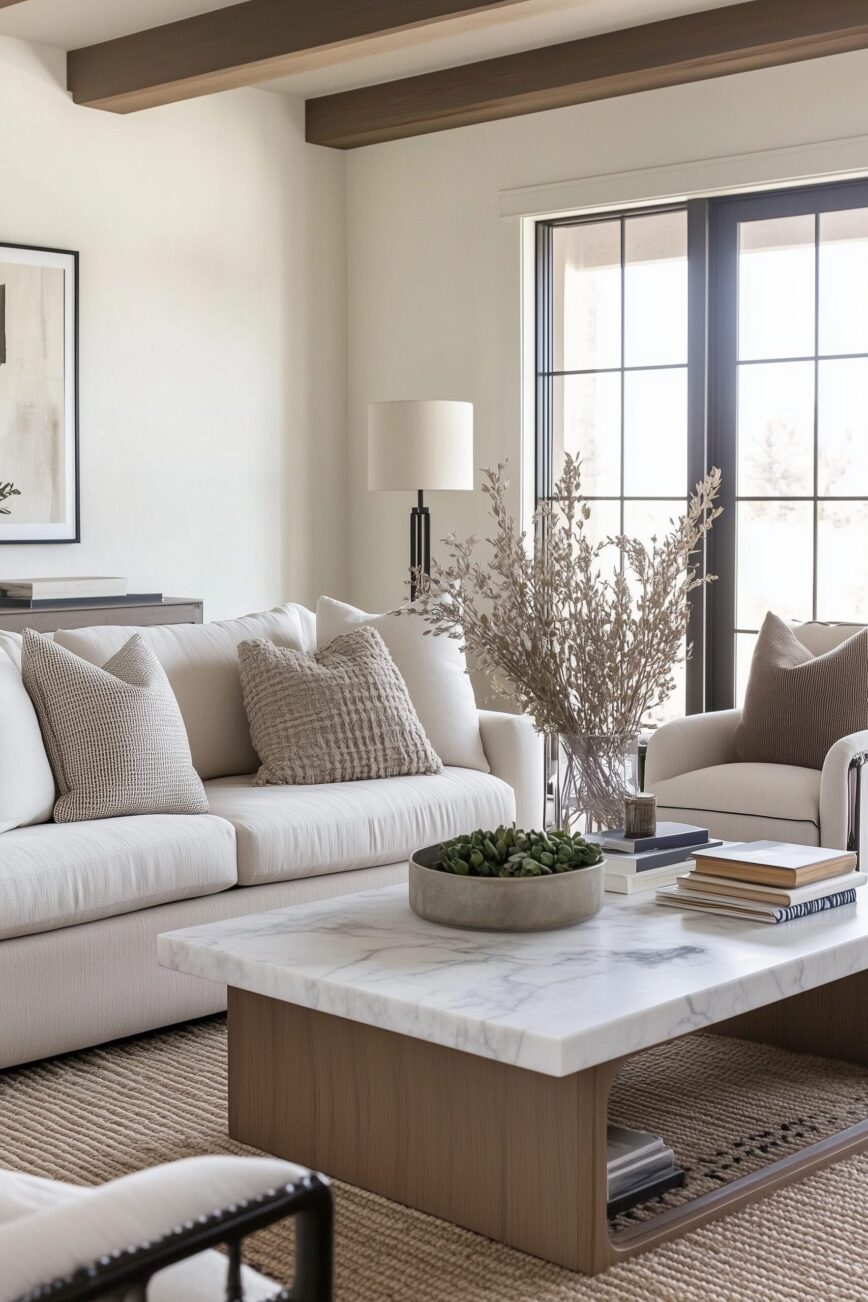
I learned the hard way that a small living room must do it all. It’s where I relax, host friends, work, and sometimes eat. When I filled it with big pieces, dark colors, and one harsh light, it felt cramped and exhausting.
Experts from Homes & Gardens, woman&home, and My Bespoke Room agree. Bad layout, heavy finishes, and blocked windows make rooms feel smaller. Before painting, plan the room’s flow: clear paths, a focal point, and seating for talking.
Here’s what works. Use tall or low seating to show more floor. Keep furniture 3–4 feet apart for easy conversation. An area rug grounds the space. Layer lighting to avoid harsh overheads.
Hang curtains 4–8 inches higher to make the room feel taller. Add built-ins or hidden storage to keep it tidy. Mix textures and finishes for interest, but keep everything in scale. Avoid pushing furniture against walls and block light. Use smart decorating ideas from current trends to make your room feel bigger without moving walls.
Key Takeaways
- Plan layout first: protect clear 3-foot pathways and a strong focal point.
- Choose leggy or low-slung seating to reveal more floor and boost openness.
- Layer lighting—table, floor, and wall—instead of one overhead source.
- Use a right-size rug to anchor seating; keep front legs on the rug.
- Hang curtains 4–8 inches higher to visually raise the ceiling.
- Add built-ins or hidden storage for space-saving solutions that cut clutter.
- Balance personality with scale, guided by current home decor trends and color schemes.
1. Overly Large Furniture Choices
I learned the hard way: a massive L-shaped sofa looked great on paper but took over the room. In a small living room, size matters. Designers say furniture must fit the room and other pieces, not just the wall.
Here’s what I realized. A big sectional can take up too much space and block movement. A small sofa with a big coffee table feels out of balance. Measure twice and think about height—low sofas look odd with tall side tables.
Patricia Gibbons at Sofa.com suggests couches on legs for a lighter look. Camilla Clarke of Albion Nord says a right-sized sectional without arms is better. It looks less bulky and often seats more than scattered chairs.
Keep windows clear. Avoid placing big, tall pieces in front of glass. Move them inward to let light flow. If you have a sectional, make sure there are 3-foot pathways for easy movement.
My top tips for a modern living room:
- Choose slim arms and leggy frames for a lighter look.
- Opt for multifunctional pieces like storage ottomans and benches.
- Ensure balanced proportions: sofa, coffee table, and side tables should match in size.
- Use space-saving solutions like nesting tables and wall-mounted shelves.
These choices follow current trends and keep your room flexible and cozy. When furniture is the right size, your room feels calm and you have enough space for guests.
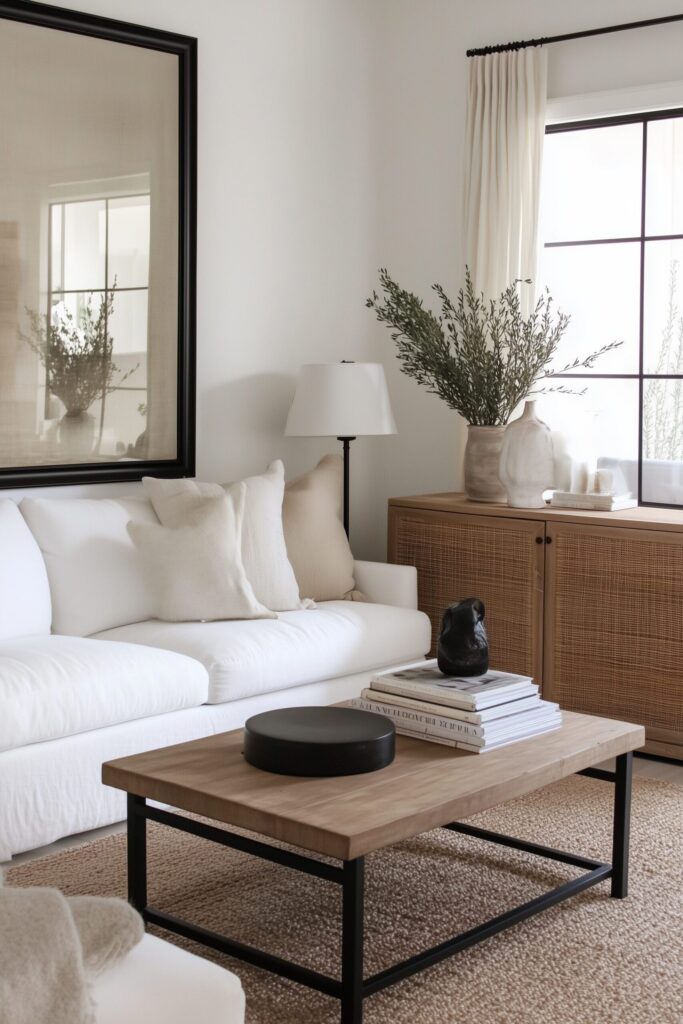
2. Cluttered Decor and Accessories
I’ve been there—15 candles, stacks of magazines, and no space for a mug. After a weekend of decluttering, my living room breathed. Experts say negative space makes rooms look bigger.
Lucy Searle at Homes & Gardens agrees: less is more. Choose versatile pieces with hidden storage. This simple change made my home feel bigger and more relaxed.
My Bespoke Room suggests focusing on the essentials. Do you really need many side tables? I didn’t. I picked taller furniture and moved clutter to shelves. This made my room look bigger and cleaner.
woman&home recommends using built-ins for odd spaces. I painted them bold colors and wallpapered shelves. This hid clutter and made tidying easy.
For styling, I follow the 3-5-7 rule from The Living House. Group items by height for a calm yet lively look. This keeps my room stylish without being too busy.
Try these quick swaps today:
- Closed-storage ottomans and coffee tables with compartments.
- Wall sconces to free end tables.
- One standout rug, one standout sofa—skip repeats.
- Leggy chairs to reveal more floor.
- Curate shelves with space between objects.
When you remove clutter, your space grows. This is the secret to stylish, stress-free living rooms.
3. Poor Lighting Decisions
I used to turn on one bright ceiling light and feel like I was in an operating room. Then I learned about layering light from Emma Deterding. For smart lighting in small living rooms, mix table lamps, floor lamps, downlights, and wall sconces. Add dimmers for control. A 5-amp circuit lets you manage several lamps from one panel, making it feel luxurious and practical.
When planning your lights, think about your furniture first. You want soft light for reading, chatting, or enjoying tea, not harsh overhead light. My Bespoke Room says overhead-only lighting is a cozy-killer. In a modern living room, vary light source heights to add depth and calm.
Try these quick swaps… they work fast and look polished!
- Pin-spot the coffee table for a gentle glow.
- Highlight curtains or art to add softness and shape.
- Use warm LEDs from Philips Hue or GE for better evening mood.
- Add dimmers from Lutron so you can dial it in for movie night.
Natural light is the best. Don’t block windows with tall furniture or heavy drapes. If you must place a piece nearby, pull it in a few inches. Keep treatments airy with sheer panels from Pottery Barn or IKEA. When windows are clear, small living room lighting improves and the space feels more open.
Looking for design trends? Consider layered sconces by Rejuvenation, slim floor lamps by West Elm, and a low-glare pendant by Schoolhouse. These ideas keep light even, flattering, and easy to control. They make a bright, inviting contemporary living room that feels larger than it is.
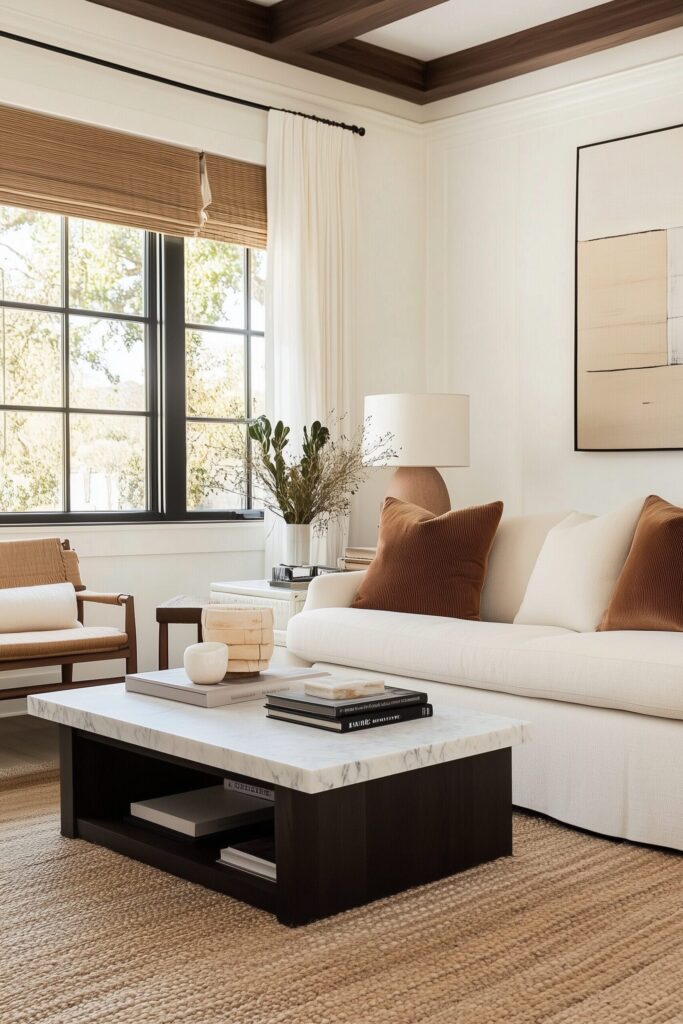
4. Dark Color Palettes
I love moody paint, but in my small living room, dark colors made it feel cramped. Dark colors can work, but they need balance. I choose small living room color schemes that mix dark accents with light textures and pale woods.
Quick wins I swear by—and yes, they match current trends:
- Hang curtains 4–8 inches above the frame and use a wider rod so panels stack off the glass (a smart cue from woman&home). Higher lines lift the eye and let daylight flood in.
- Keep windows clear; don’t block them with bulky sofas or media units, a tip echoed by Homes & Gardens.
- If you love a dark TV wall to hide the screen (a clever trick shared by woman&home and My Bespoke Room), balance it with a reflective rug weave and leggy furniture so you see more floor.
When I plan modern living room ideas, I start with contrast. One dark wall, then lighter seating, a pale oak coffee table, and linen curtains. Add tall bookcases or a slim floor lamp to pull the room upward. This mix keeps the space airy without losing that cozy mood.
Here’s my simple formula:
- Pick one hero dark—ink, espresso, or forest.
- Layer two lights—warm white and sand—to soften edges.
- Add shine—mirror, brass, or glass—for bounce.
- Leave the window zone clear to maximize glow.
Used this way, small living room color schemes feel rich, not heavy. You get the drama you crave, aligned with modern living room ideas, while staying true to practical interior design trends that make a tight footprint look open.
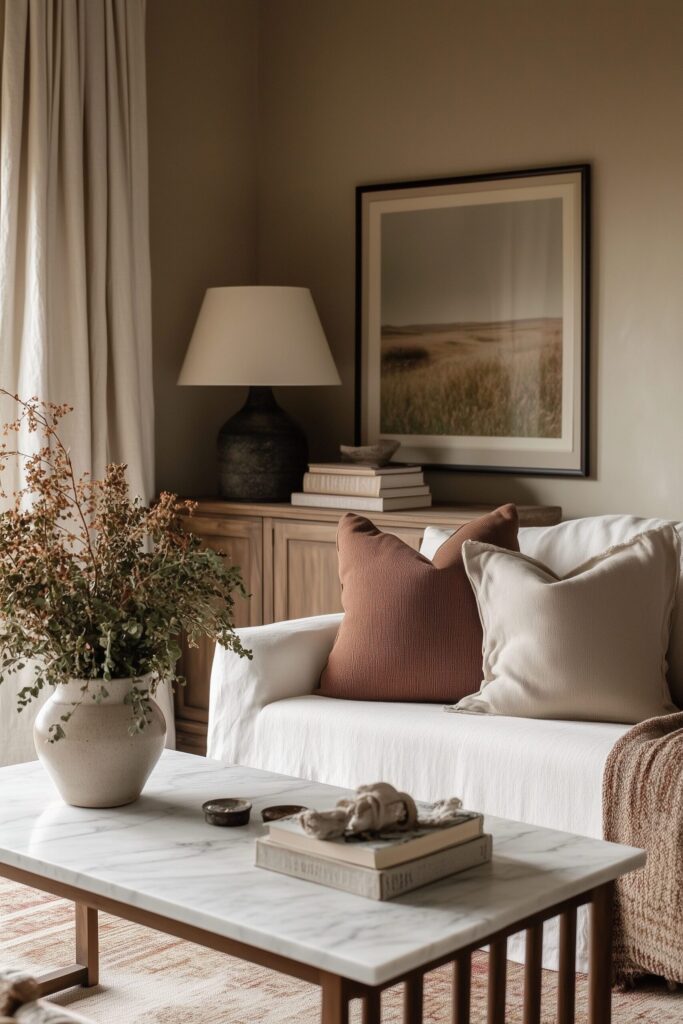
5. Inadequate or Wrong Layouts
I once made a big mistake by pushing everything to the walls. The TV was in the middle, leaving a weird gap. To fix it, I moved the sofa a bit from the wall. Suddenly, the room felt more open!
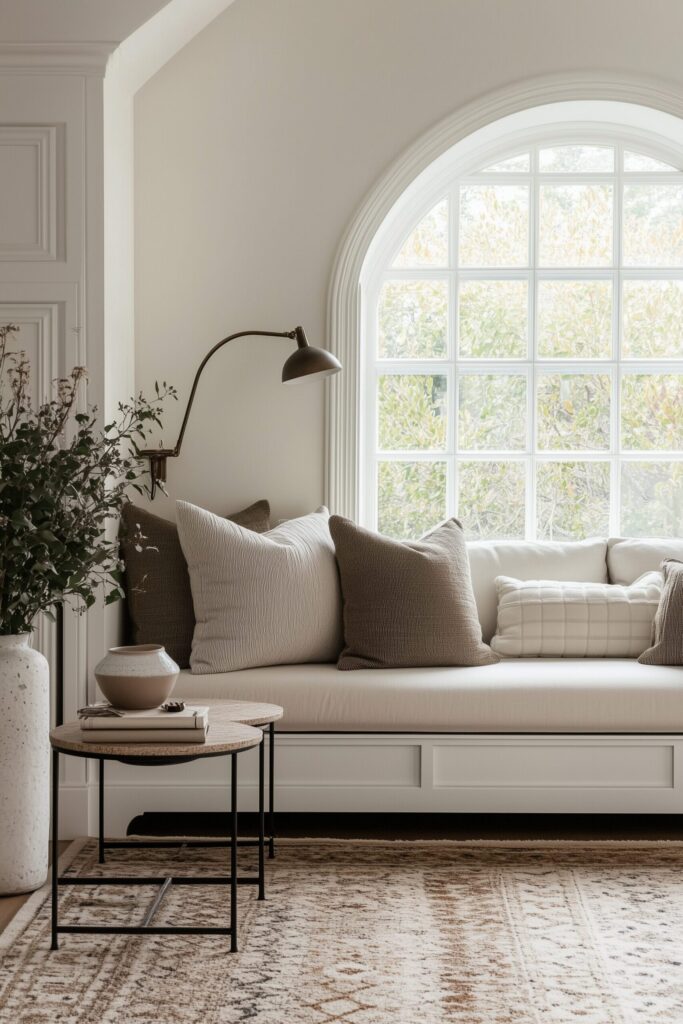
Emma Deterding told me to try floating the sofa. Kristin Bartone agreed, saying not to line things up against walls. Instead, float a group of seats and tie it down with an area rug. It’s a simple trick that makes a big difference.
I also made sure there were clear paths in the room. Homes & Gardens says these paths should be at least three feet wide. This keeps the room flowing smoothly and looking peaceful.
Symmetry is key, Jennifer Ebert says. Line up main pieces for balance. For example, place sofas opposite each other or use matching armchairs. It’s easy and makes the room feel calm.
- Keep seats 3–4 feet apart for easy conversation.
- Center the plan on a strong anchor—coffee table or ottoman.
- Blend the TV into the scheme (dark wall paint, a tight gallery, or built-in storage) so it doesn’t take over.
I swapped a three-seater sofa for a slim-armed two-seater. This gave me more seats and a lighter feel. It’s a smart way to save space without sacrificing style.
Adding fresh touches, like a low-profile media console or a boucle chair, made the room feel tailored. It’s the perfect mix of function and charm for any living room.
6. Ignoring Vertical Space
I used to fill every inch of my space, ignoring my walls. Then, I started with curtains. I followed woman&home’s advice and mounted rods 4–8 inches above the frame. This made my room feel taller and brighter.
Light matters, too. I swapped table lamps for wall sconces, as suggested by Bespoke Room. This move cleared my end tables and added a warm glow. It also kept my floor clear.
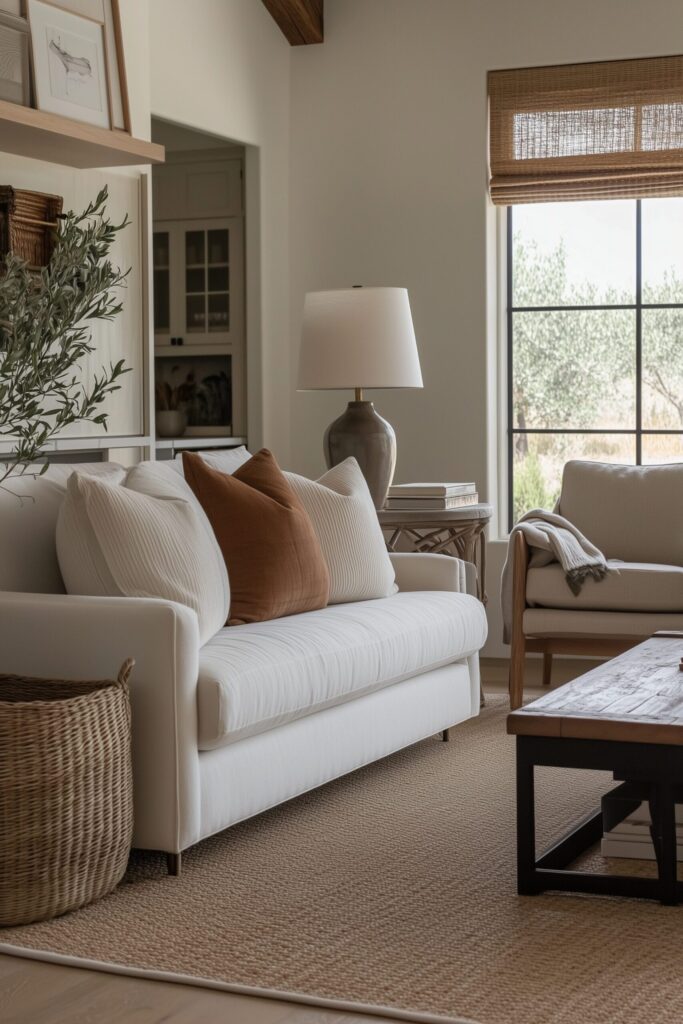
Built-ins changed my space. Woman&home showed me how to use alcoves and corners with custom joinery. Painting the units and wallpapering the shelves added personality. This way, my coffee table can breathe.
- Use floating shelves to lift remotes, trays, and candles off flat surfaces.
- Choose narrow bookcases that reach the ceiling for true space-saving solutions.
- Try slim picture ledges to rotate art and family photos without visual mess.
Mixing heights is key. Avoid low sofas with tall side tables. Keep your room’s vertical lines balanced for a calm feel. This follows current trends and maximizes vertical space.
Think up, not out, when decorating. Higher curtain rods, wall-mounted lights, and organized shelves make your room feel bigger. They add “air” to every corner.
7. Wrong Area Rug Selection
I once fell for a cute, tiny rug and—yikes—my furniture looked like it was floating. In a contemporary living room, small living room rugs should anchor the seating zone. Make sure the front legs of your sofa and chairs are on the rug. This makes the space feel calm and connected.
Designer Jodie Hatton at Brintons says a larger rug shifts the focal point, adds comfort, and helps divide space. This is great for compact rooms that need clear zones. My Bespoke Room often reminds clients that rugs are champions at zoning in open-plan layouts. Think Goldilocks sizing: not too big, not too small… just right for your seating footprint.
Lucy Searle suggests skipping clunky square or rectangular coffee tables in tight rooms. A low circular or oval table leaves more negative space and softer edges. This simple swap keeps traffic flowing and lets the rug shine.
- Match rug size to your seating area, not the whole room.
- Coordinate textures and color schemes so the palette feels intentional.
- If you layer patterns, scale them—let the rug’s weave stay visible.
- Choose durable fibers that suit real life (pets, kids, spills!).
I’ve learned to check interior design trends for guidance, but I always test with painter’s tape first. Outline the ideal footprint, step back, and see how it reads with your color schemes. When I sized up my rug, everything looked grounded and cozy—and my contemporary living room felt bigger, fast!
8. Lack of Personalization
I’ll be honest—my living room felt flat until I added pieces that tell my story. I layered in art I adore, a few travel finds, and framed family photos. This made the whole space wake up. The heart of small living room decor is making it yours, not a showroom.
My Bespoke Room champions decorating with what you love. A bold canvas can anchor the room and pull focus from the TV. This is helpful in modern living room ideas where screens dominate. And yes, these ideas keep things calm and tidy.
Hang art smart—woman&home suggests eye level: about 56–57 inches from the floor to the center. Above a sofa, choose a piece or grouping at least two-thirds the sofa width. Leave roughly 10 inches between the frame bottoms and the back or console below. Treat gallery walls as one visual unit at eye level for a clean read.
To dodge the matchy-matchy trap, I mix styles and materials but tie it all together with a color palette. My Bespoke Room’s trick works: connect different pieces with pillows and throws in shared hues. Vanessa Arbuthnott also recommends balancing patterns—try a patterned sofa with plain cushions, or flip it, and vary scales so nothing fights.
- Pick one standout artwork as a focal point.
- Repeat two to three colors across textiles and accents.
- Blend textures—linen, velvet, wood, and a touch of metal.
These personal layers keep clutter at bay while adding warmth. That’s why I lean into home decor trends that leave room for memory-rich details. It’s the sweet spot where modern living room ideas meet your life—curated, cozy, and unmistakably you.
When in doubt, edit. Keep the stories, lose the extras. Your favorite mementos deserve breathing room, and that’s the secret sauce of small living room decor done right.
9. Inflexible Furniture Arrangements
I used to push my sofa to the wall and tuck chairs into corners. It looked neat… but the room felt flat. When I floated the seating on a rug, the space opened up.
Homes & Gardens and woman&home both warn against defaulting to the perimeter. Pulling pieces just a few inches off the wall improves flow. This makes a small room feel bigger. These ideas match current living room design trends and work well in a contemporary living room.
Designer Kristin Bartone suggests floating furniture to form clear zones and easy circulation, even in open plans. Keep a touch of symmetry for calm balance, but don’t lock it in. Instead of a second sofa, try two slim-leg armchairs for flexible seating.
Breegan Jane often uses a nest of small tables—move one for snacks, another for a laptop. This is one of my go-to space-saving solutions.
Plan lighting and side tables early so every seat has a reachable surface and a pool of light. No one should juggle a mug. Protect the flow with 3-foot pathways to get in, out, and through without sidestepping furniture.
When your layout can flex—movie night, book club, solo curl-up—it feels more spacious, more social, and far easier to live with. That’s the heart of smart small living room layout ideas and the best kind of contemporary living room finesse.

Leave a Reply