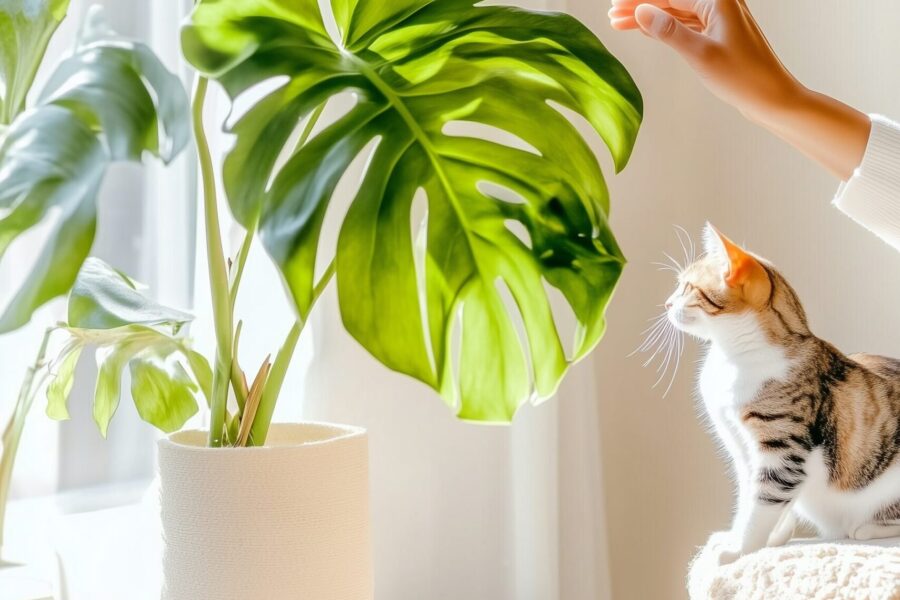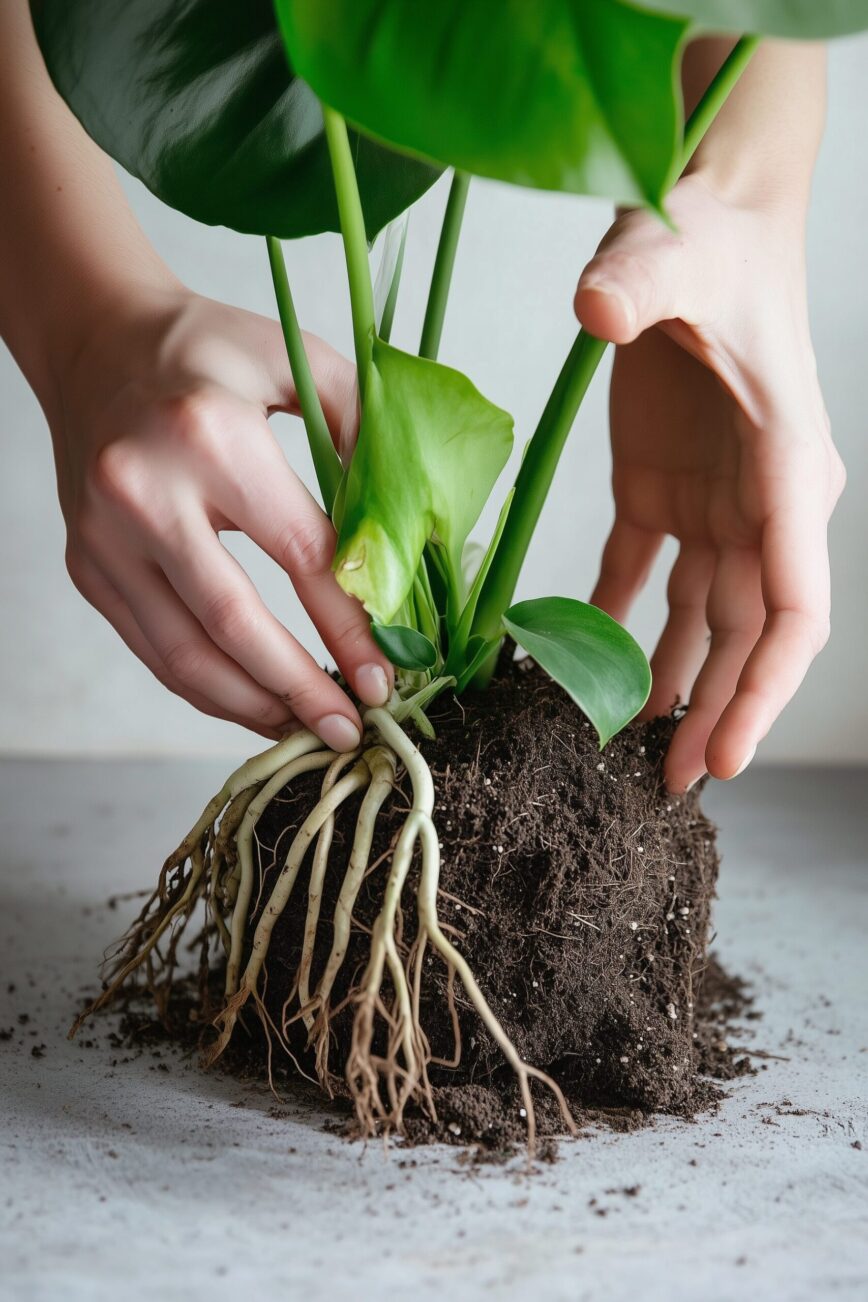
Two years ago, I brought home a fiddle-leaf fig that seemed to be Pinterest famous and quickly turned it into… a mop on a stick. I tried more sun, less sun, more water, pep talks to the plant, whatever. The real solution didn’t come in a shiny new ceramic pot or an even shinier mister. It was the soil! After I removed the dense, stay-soggy soil and replaced it with an airy mix that drained well, the plant perked up within a week and pushed out new leaves. You would have thought it was trying to prove a point!
Why Your Soil Matters More Than You Think:
If your houseplants are stalling, crisping, or falling over, it might be worth checking what they are growing in. With less than 300 words in, here is the useful truth: the best soil for houseplants is generally a well-draining potting mix that reflects the vibe of the plant’s native habitats (tropical, arid, or epiphytic). Look for something with a healthy balance of water retention and airflow, a neutral-to-slightly-acid level (most houseplants have a pH level of 5.5-6.5), and without too many particles so the roots have room to breathe. That is it! The mystery of “why won’t my plant grow,” has been solved! And of course, I will add in all of these Pinterest-y long-tail ideas: earthy modern living room plants, how to care for a monstera in low light, best potting soil for house plants… and so on, as if they need to go together!
Shop high-quality indoor potting mix
The Quick Answer: Soil Is Your Plant’s Life Support
Roots are designed to need three things; oxygen, moisture, and stability. A good mix provides all three without smothering or drying out. Most tropical houseplants love a peat or coco-based mix that is cut with perlite/pumice and bark; succulents/cacti want more grit added; aroids (monstera, philodendron) love big chunky airy mixes.
Shop “best soil for houseplants”
Potting Mix vs. Garden Soil
Never scoop yard soil into a pot. Garden soil compacts, harbors pests, and blocks airflow. Potting mix is sterilized, lighter, and designed for containers—your roots can actually move through it.
Shop premium potting soil (indoor use)
Drainage, Aeration, and Roots That Breathe
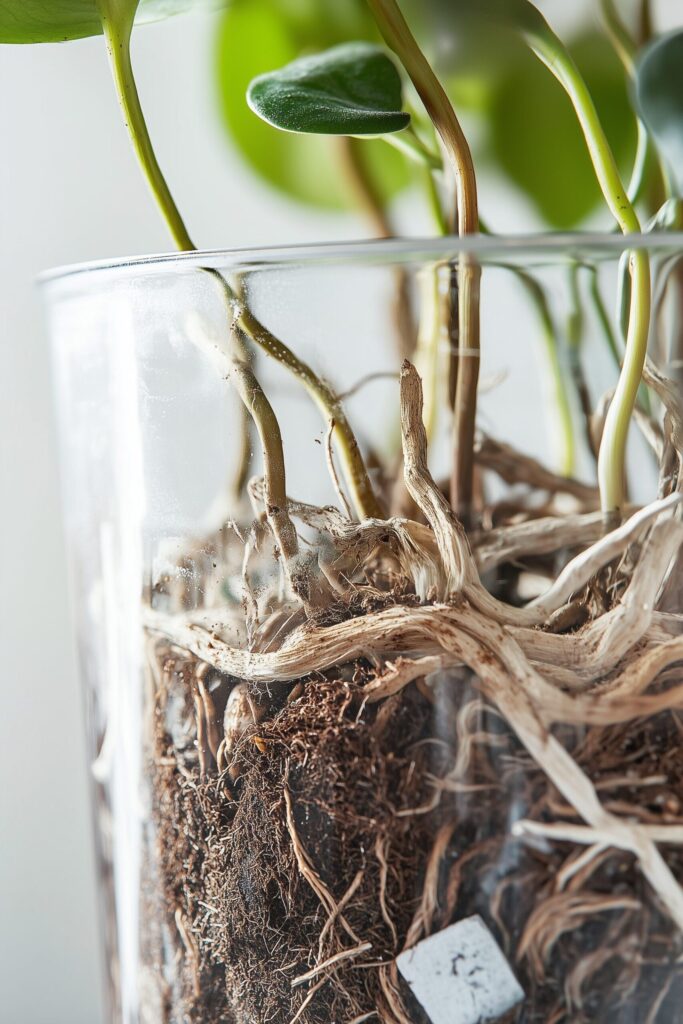
For most indoor plants, think 50–70% “base mix” (peat or coco) + 20–30% aerators (perlite, pumice) + 10–20% chunky bits (orchid bark). This prevents waterlogging and fungal issues while keeping moisture available.
Shop perlite, pumice, and orchid bark
pH: The Hidden Setting That Changes Everything
Nutrients can sit in soil unused if pH is off. Most houseplants are happy around 5.5–6.5. If leaves yellow despite feeding, test pH and adjust with balanced water and fresh mix.
Shop soil pH meter for houseplants
Nutrients: Slow Release vs. Liquid Feeding
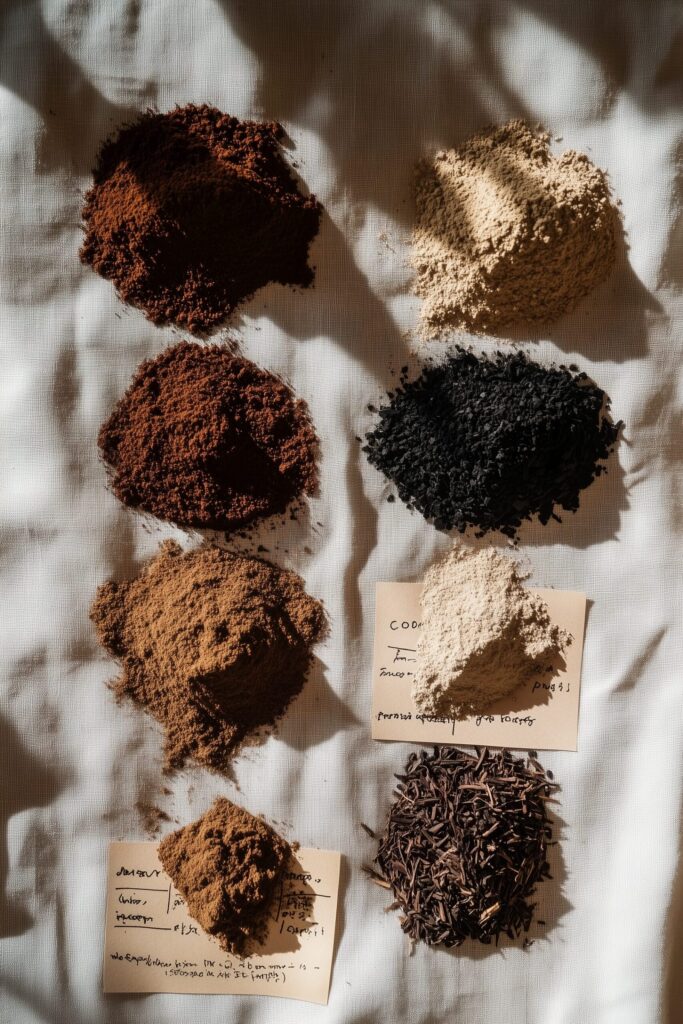
Good mixes include a small starter charge, but it fades. Use a gentle slow-release for baseline nutrition and supplement with a diluted liquid feed during active growth. Go lighter in low light or winter.
Shop slow-release and liquid houseplant fertilizer
Microbes & Mycorrhizae: Tiny Helpers
Biologically active mixes (worm castings, compost, or mycorrhizae) support root health and nutrient uptake. Keep it modest indoors to avoid gnats—think a tablespoon or two per 6″ pot.
Shop worm castings + mycorrhizae
Repot Timing & Soil Refresh Schedule
Repot when roots circle the pot, water rushes straight through, or the plant dries in <48 hours. Refresh the top 1–2″ of mix every 6 months; full repots every 12–24 months depending on growth.
Shop nursery pots with drainage + saucers
Common Problems + Easy Fixes

• Fungus gnats → let top inch dry, add a thin layer of horticultural sand, use sticky traps.
• Hydrophobic mix (water beads off) → pre-soak soil or add a wetting agent; repot with coco coir.
• Always-wet core → up the perlite/pumice ratio and ensure real drainage holes.
Shop gnat traps, horticultural sand, wetting agent
My Go-To Mix Recipes
- Everyday Tropical Mix (monstera, pothos, philodendron)
• 50% coco coir
• 25% orchid bark (medium)
• 20% pumice or perlite
• 5% worm castings - Aroid-Forward “Chunky” Blend (alocasia, anthurium)
• 40% coco
• 30% fine bark
• 20% perlite/pumice
• 10% horticultural charcoal - Succulents/Cacti
• 40% potting mix (peat or coco)
• 40% pumice or coarse perlite
• 20% coarse sand - Calathea/Maranta (moist but airy)
• 55% coco
• 20% fine bark
• 15% perlite
• 10% worm castings
Shop coco coir bricks, bark, pumice, charcoal
Tools & Add-Ins Cheat Sheet
• Moisture meter for new plant parents (spot-check only; confirm with finger test).
• Mesh pot screens to keep mix in and improve flow.
• Bottom-watering tray for thirsty plants—great for evenly rehydrating.
• Neem oil + sticky traps to keep pests in check.
Shop moisture meter, mesh screens, trays, neem, sticky traps
Watering That Matches Your Mix
The airier the soil, the more frequently you’ll water—but with less risk of rot. Water thoroughly until it runs from the holes, then wait until the top inch (or two) dries, depending on the plant.
Shop watering can with narrow spout
Repotting Mini-Guide

- Choose a pot 1–2″ wider than the current one (or same size if you’re just refreshing mix).
- Loosen circling roots and trim dead, mushy sections.
- Set the crown at the same height; don’t bury stems.
- Tap the pot to settle mix—don’t over-pack.
Shop pruning shears + repotting mat
Soil “Personalities” by Plant Type
- Monstera/Philodendron: chunky, airy; drains fast but holds some moisture.
- Fiddle-Leaf Fig: similar to aroids, slightly less bark, steady moisture without splashy overwatering.
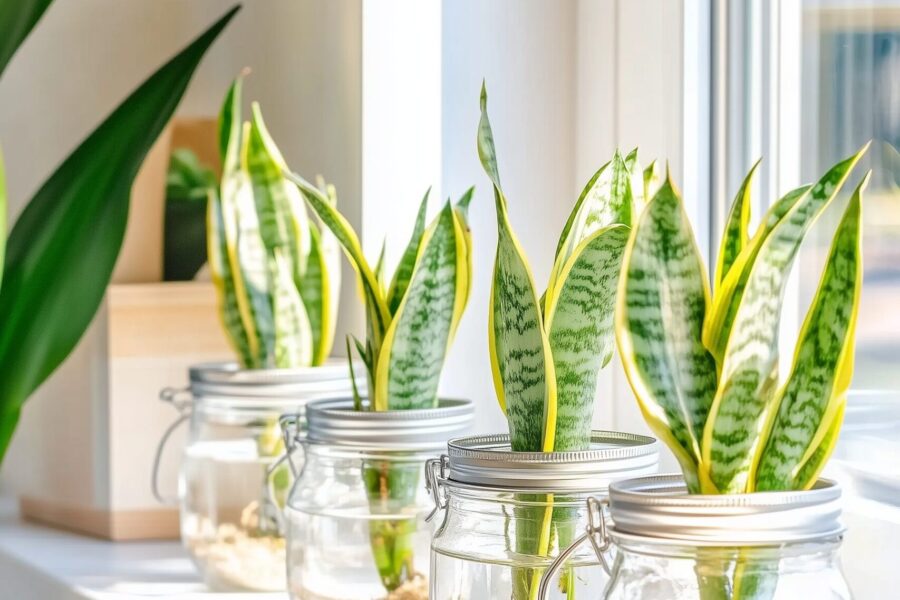
- Snake/Zz: very fast-draining; let dry out deeply.
- Calathea: airy yet moisture-retentive; avoid lime-heavy water to keep pH friendly.
Shop “aroid mix” and “cactus mix” bundles
Q&A
Q: My soil dries out in one day. What should I change?
A: Increase water-holding components (more coco/peat), reduce pumice/perlite by ~10–15%, and consider a slightly larger pot.
Q: I keep getting fungus gnats—help!
A: Let the top inch dry, add a thin sand layer, water from the bottom for a few weeks, and use sticky traps until the life cycle breaks.
Q: Do self-watering pots replace “good soil”?
A: No. They’re great for consistency, but you still need an airy, well-draining mix so roots don’t suffocate.
Q: Is compost okay indoors?
A: In small amounts. Stick to worm castings or bagged, screened compost to avoid pests and odor.