There is no greater pleasure than stepping into a refreshing shower until the water starts spraying unevenly or trickling out like a weak drizzle… So frustrating, right? That dull, disappointing flow usually means your shower head needs some TLC. Hard water, soap scum and mineral buildup can seriously weigh down your shower head, leaving it looking dull and performing poorly. Fortunately, you can revive your shower head with easy everyday natural ingredients you probably already have in your kitchen.
I remember the first time my shower head got clogged. I thought something was wrong with my plumbing! A quick search suggested that I try a baking soda and vinegar soak – wow what a difference! The pressure was better, the metal was shiny again, and my shower has felt brand new again. If your shower head seems to have something wrong with it, this simple at home hack is a complete game changer.
So, how to I truly clean a shower head with baking soda and vinegar? The quick answer is a zip top bag, patience, and a little bit of chemistry! You will be combining the baking soda and vinegar to eat away the mineral buildup and disinfect all at the same time – and without harsh chemicals! Within one hour, you will probably even have washing in there, and see a difference in shine, smell and water flow.
Let’s jump into this step-by-step guide to deep clean a shower head with baking soda and vinegar, complete with easy modifications for different type’s of finishes, detachable heads, and stubborn clogs! Whether you came through a Pinterest search in the search of cleaning your shower head with baking soda and vinegar, or if you simply love green cleaning hacks, you’ll have that satisfied shine back in no time!
Shop: baking soda cleaning
Why Does My Shower Head Need Cleaning?
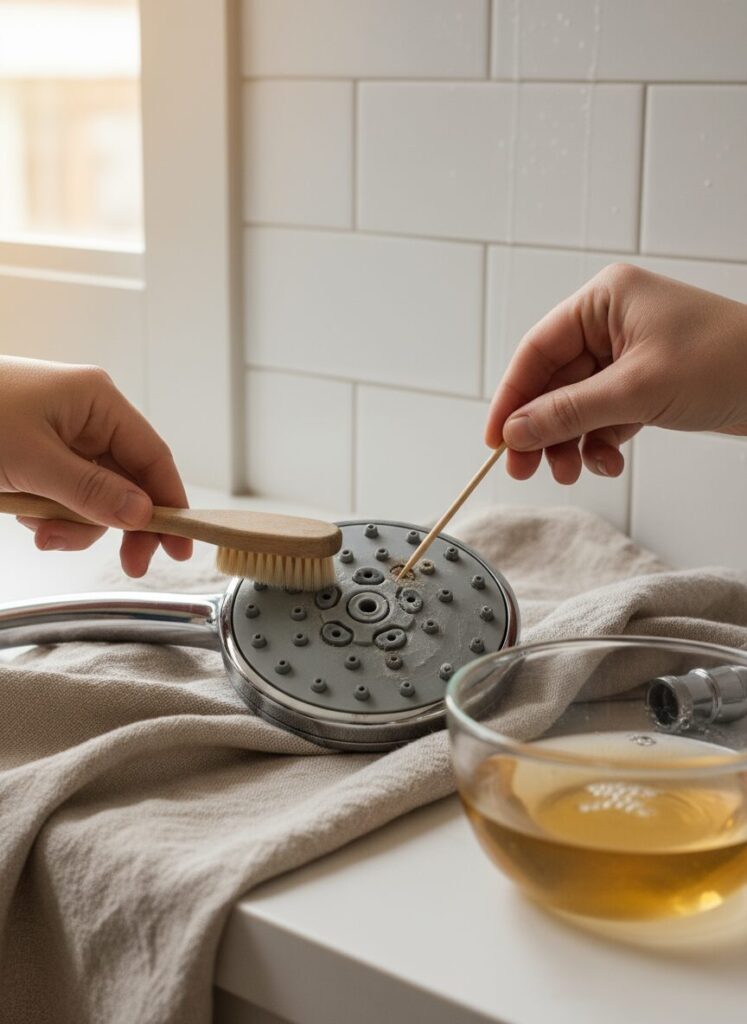
Your shower head could be home to some minerals, limescale, and even bacteria that are thriving in the damp, warm conditions. Even if your shower looks completely clean, hard water leaves behind deposits of calcium and magnesium that can clog its tiny nozzles and reduce water pressure. Over time, that buildup not only impacts a shower’s performance—it can change the spray pattern, discolor the fixtures, and produce a smell.
Cleaning the shower head regularly will lead to a more efficient performance, increase its longevity, and provide cleaner and healthier water each time you shower. You can find commercial shower head cleaners; however, they often contain strong chemicals that can damage chrome or brushed nickel finishes. Using vinegar and baking soda is a perfect solution that will be safe and effective.
Shop: white vinegar
What Supplies Do I Need to Clean My Shower Head Naturally?

This cleaning method uses pantry staples you likely already own. You’ll need:
- Baking soda
- Distilled white vinegar
- A plastic zip-top bag (large enough to fit around your shower head)
- A rubber band, hair tie, or twist tie
- An old toothbrush
- A soft cloth or microfiber towel
If you have very stubborn buildup, grab a cleaning toothbrush specifically for scrubbing. A small needle or safety pin also helps unclog individual nozzles if needed.
Shop: cleaning brush set
How Do You Clean a Shower Head With Baking Soda and Vinegar Step by Step?
Okay, let’s get practical! Here’s the complete step-by-step guide to transform your dull shower head into a sparkling, high-pressure masterpiece.
Step 1: Mix the Cleaning Solution
Start by mixing half a cup of vinegar with two tablespoons of baking soda directly inside your plastic bag. The mixture will fizz as it reacts—this is the part that breaks down grime and limescale naturally. Fill the bag about halfway, leaving room so it won’t overflow when you attach it.
Step 2: Secure the Bag Around the Shower Head
Hang the bag from the showerhead so that the entire shower head is submerged in the solution, using your rubber band or hair tie to secure it tightly. If your shower-head is detachable, then you can simply take it off and place it directly in a bowl or container with the same solution. The goal is to have the nozzles under the vinegar and baking soda solution.
Step 3: Let It Soak
Allow the shower head to soak for 30 minutes to an hour, depending on the severity of the buildup. If your hard water is really hard or if the head has been neglected, you may leave to soak overnight. After a few minutes, the fizzing will quiet down, but do not worry; that is normal. The solution continues to break down residue even after the fizzing stops.
Step 4: Scrub and Rinse
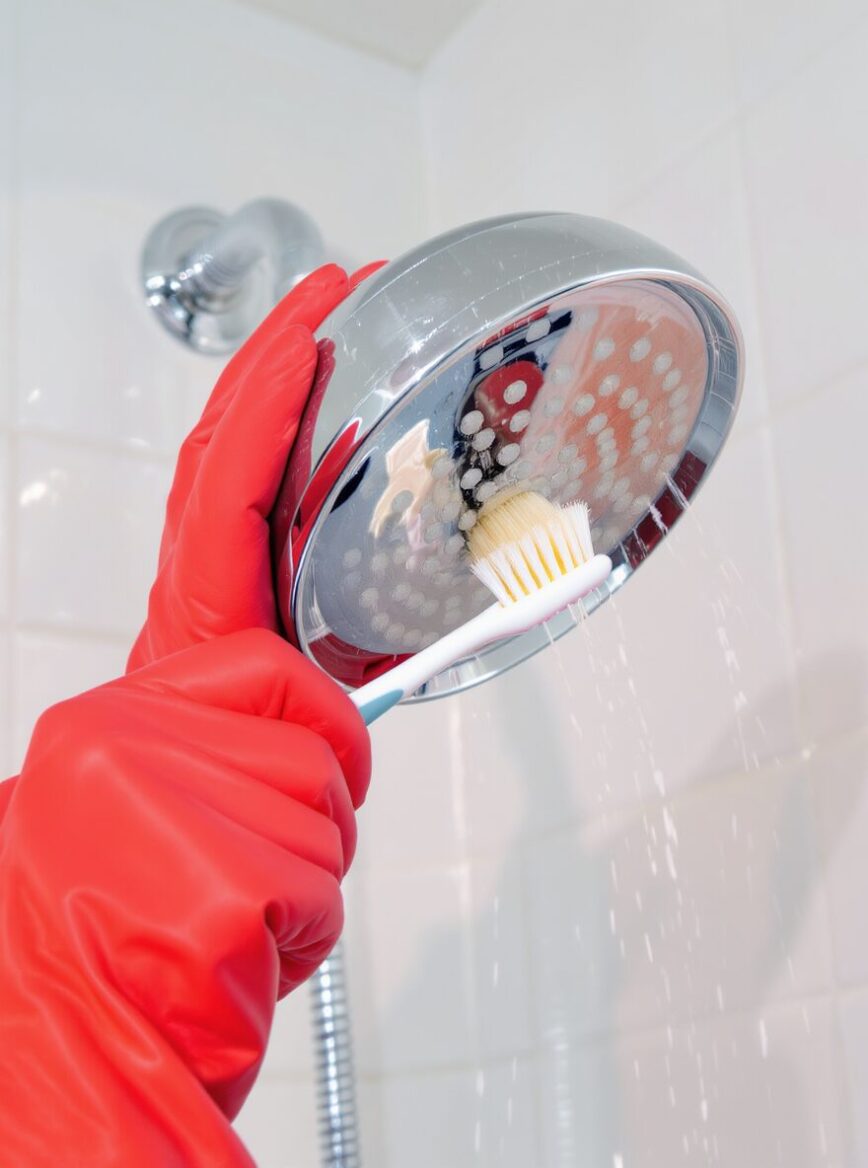
When you’re done soaking, carefully remove the bag and dispose of its contents. Place the microphone cloth in the fridge bag and get your powerful toothbrush to scrub spray nozzles and surface areas, taking special notice of build-up that may be visible. Next, run hot water through the shower for about a minute to flush out any remaining vinegar or debris. Finally, quickly polish the surface with the microfiber cloth for a final shine (without soap residue).
Step 5: Test Your Water Pressure
Now comes the best part—turn the water on and watch the difference. You’ll instantly notice improved water flow, a more uniform spray pattern, and a sparkle that feels satisfaction-level high.
Shop: microfiber cleaning cloths
Can You Use This Method on All Shower Head Finishes?
Yes, baking soda and vinegar are generally safe for most finishes including stainless steel, chrome, and plastic. But long vinegar soaks may be a bad idea for specialty finishes such as gold, matte black, and oil-rubbed bronze because the vinegar can dull them over time. For these finishes, do a quick 10-minute soak, and then gently scrub the surface with a soft cloth before rinsing thoroughly.
If you are unsure of your finish, check your manufacturers care guide, or do a small patch test first.
Shop: chrome polish
What if My Shower Head Is Really Clogged?
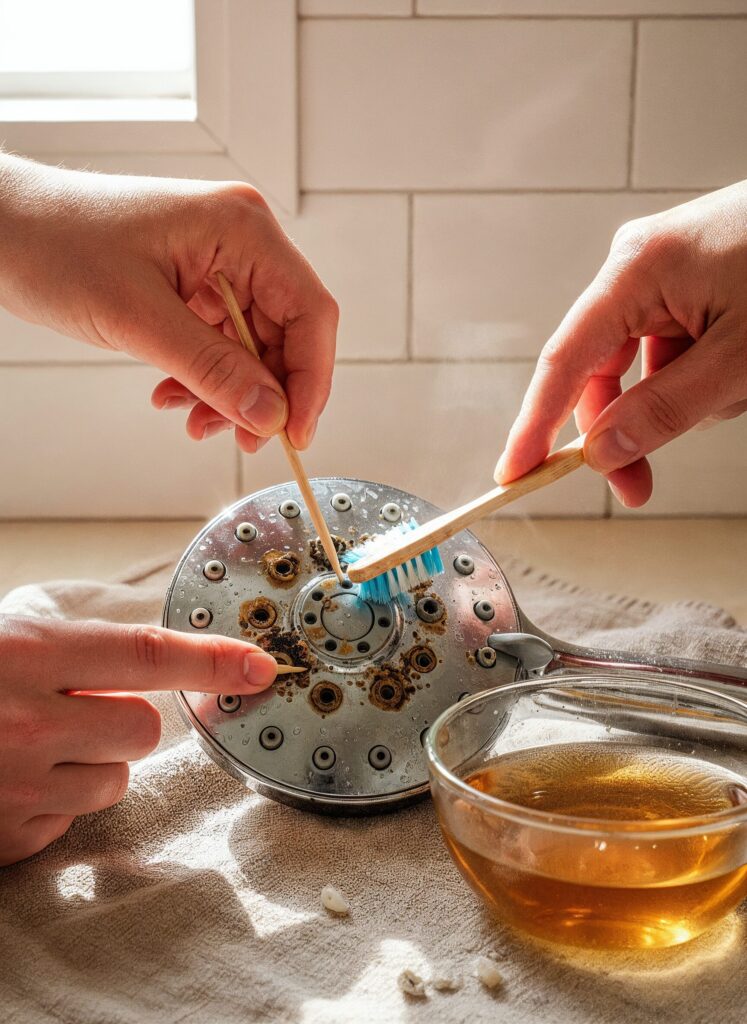
Let’s say that soaking the shower head didn’t improve the water pressure. Now, it might be time for some more detailed work. Take the shower head off. Most come off simply by twisting them off using an adjustable wrench. For protection, wrap the jaws of the wrench with a cloth to protect the finish. Soak the shower head in a bowl of the clean vinegar and baking soda solution for a few hours. You can use a dental pick or straight pin to gently poke out any minerals from the tiny nozzles. After reattaching it, flush hot water for a few minutes to clear any residue.
If buildup recurs frequently, a shower filter can make a big difference by reducing minerals before they reach your shower head.
Shop: shower filter for hard water
How Often Should You Clean Your Shower Head?
If you live in a home with hard water, treat your shower head to a descaling once per month. If your water is softer or you have a filter, every two to three months should suffice. Regular care will maintain the appearance of your shower head and eliminate clogging before it occurs, saving you time and effort later.
Make this a part of your normal deep cleaning routine in your bathroom. It’s easy, very quick to do and is also incredibly satisfying. In fact, you could scour your shower doors, grout and/or tile with the combination of vinegar and baking soda, for a completely refreshing (while being chemical free) look in your bathroom.
Shop: cleaning kit bathroom
What Are the Benefits of Using Baking Soda and Vinegar Instead of Chemicals?
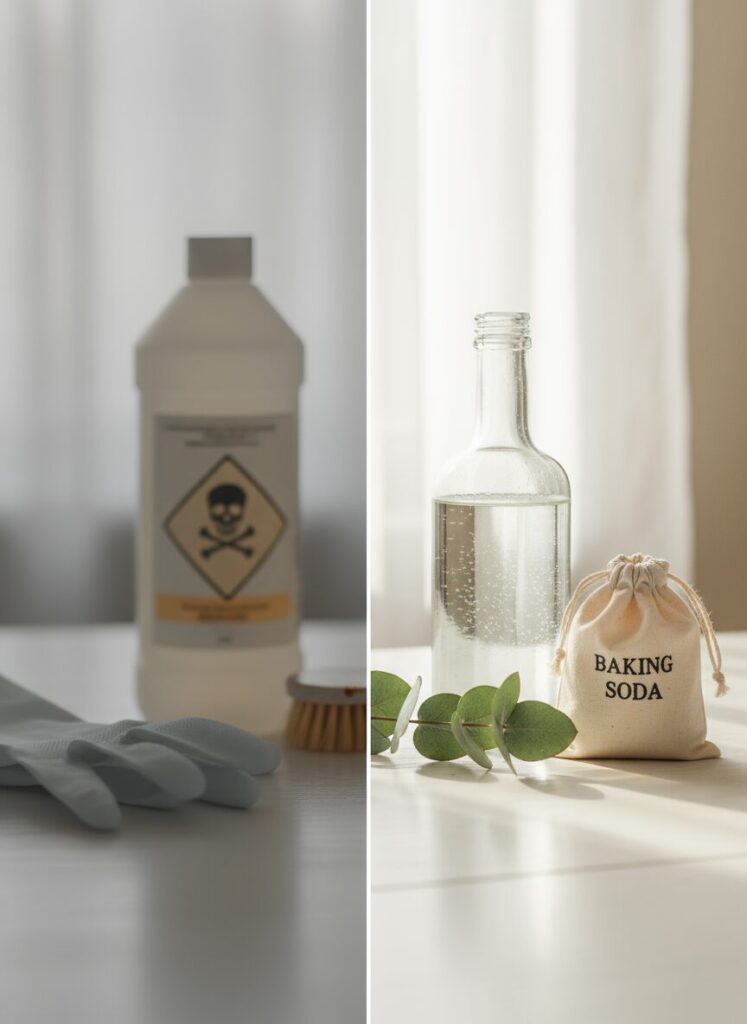
Using these ingredients isn’t just about cleaning; it’s also about giving you peace of mind. Baking soda and vinegar are non-toxic, biodegradable, and ultra-safe for kids, pets, and sensitive skin. Of course, both are cheap and easy to find, so this cleaning hack is all in again for price and effectiveness. Finally, the satisfaction you get from maintaining your house with natural, effective solutions is rewarding.
This efficient duo works wonders on shower doors, in drains, and on faucets. If you are pursing sustainable living, this simple hack is an incredibly low-effort way to limit your usage of household chemicals.
Shop: eco friendly cleaning products
Can I Add Anything Else to Boost Cleaning Power?
Yes! A few optional boosters can elevate the effectiveness of your vinegar and baking soda solution:
- Add a teaspoon of dish soap to help cut through soap scum and body oils.
- Use lemon juice for a fresh citrus scent and extra shine on metal finishes.
- If your shower head smells musty, include a few drops of tea tree essential oil for its antimicrobial benefits.
Experiment with combinations until you find a routine that works perfectly for your shower and water condition.
Shop: tea tree oil cleaning
How Can I Keep My Shower Head Cleaner for Longer?
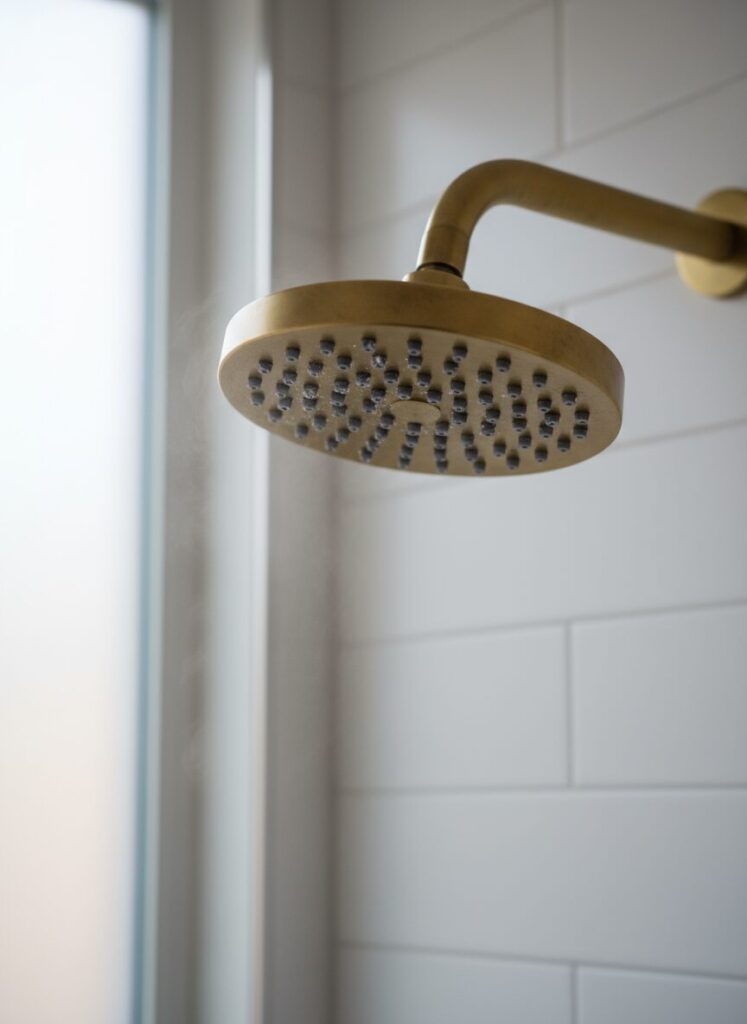
After every shower, simply give your shower head a quick wipe with your towel to remove any residual water drops, preventing minerals from settling and hardening. If your water is very hard, you can either install a shower filter, or spray a vinegar-and-water mix each week as a preventative measure. These things will help immensely to prolong those deep cleaning sessions, and keep your shower feeling “just cleaned” all the time.
Shop: spray bottle for cleaning
Conclusion
It’s remarkable how a few simple ingredients can completely rejuvenate your daily shower experience. When you mix baking soda and vinegar you are not just cleaning, you are restoring something you use every day to its best version. The shine, pressure, and feeling of fresh returns after soaking for just an hour and a little scrubbing.
So, next time your shower pressure drops or those nozzles spray unevenly, don’t be in a rush to replace the fixture. Simply pull out your pantry staples and allow this natural cleaning duo to work its science. You will receive the bonus of a deep clean chemical-free, save money, and see clean water licking out of most nozzles immediately.
This post was all about How to Clean a Shower Head With Baking Soda and Vinegar
FAQ
How long should I leave vinegar on my shower head?
Most shower heads need about 30–60 minutes of soaking. For severe buildup, leave it overnight—but don’t exceed that for specialty finishes.
Can I use apple cider vinegar instead of white vinegar?
Yes, apple cider vinegar also dissolves minerals effectively, though it might leave a slight scent. White vinegar is more neutral and preferred.
Will baking soda scratch my shower head?
No, baking soda is mildly abrasive but safe for most materials. Avoid using metal scouring pads though, especially on chrome or colored finishes.
Can I clean my detachable shower head differently?
Yes! Simply unscrew it and place it directly in a bowl of vinegar and baking soda mix for a deeper soak. Rinse well before reattaching.
Is this method safe for septic systems?
Absolutely. Baking soda and vinegar are non-toxic and safe for plumbing and septic systems alike.