
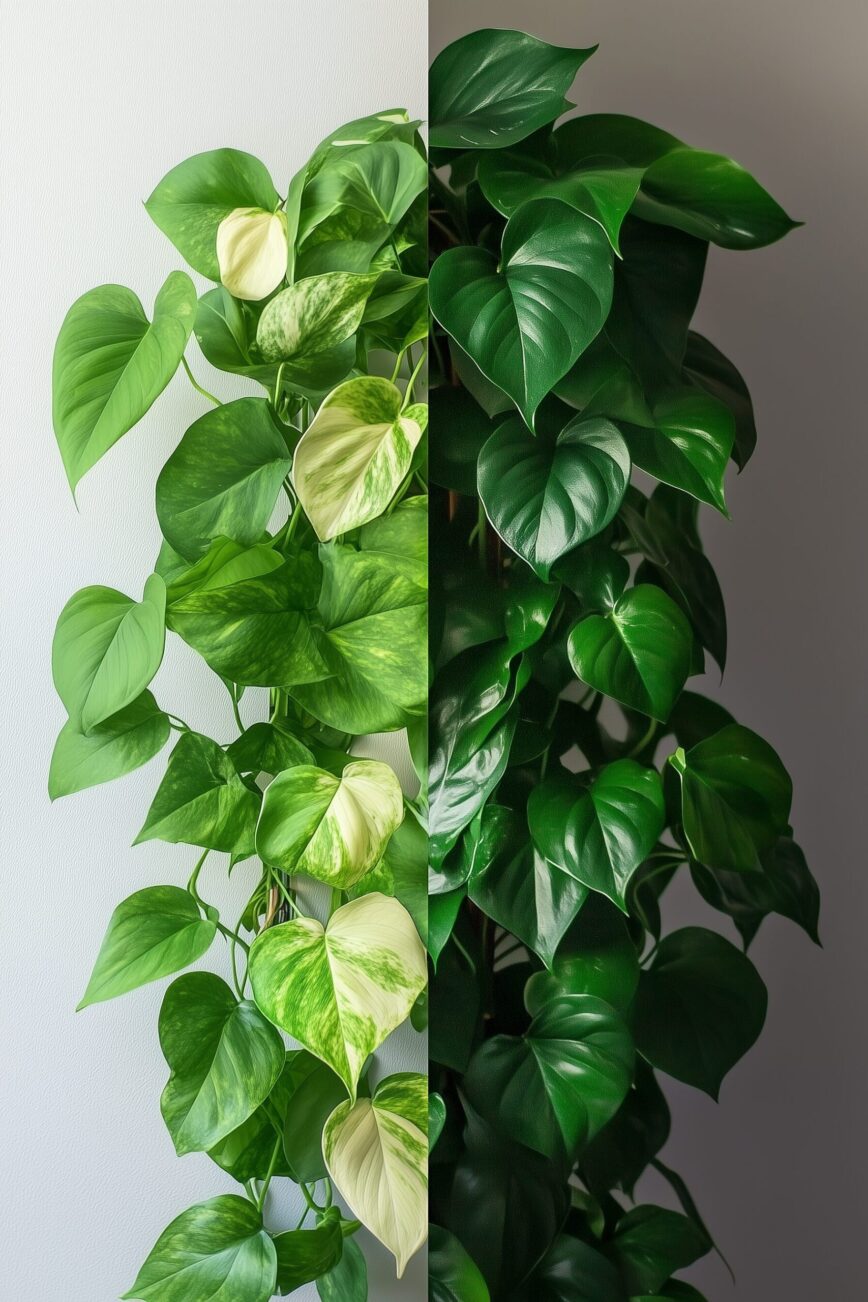
There are times when your houseplant is not throwing a fit so much as asking for help quietly. One morning you see it—a yellow leaf hiding behind the perfectly healthy ones, the crispy tips, the little pebbled dots that weren’t there yesterday. I’ve been there, too, hovering over a pothos like a detective looking for clues, unable to decipher its SOS signals.
The great news is that most houseplant SOS signals are both predictable and fixable. You can typically figure out what’s wrong in a matter of minutes, address it with a simple dose of care, and get your green friend back on track. Below, I’m going to translate these SOS signals into plain English followed by exactly what to do next. The “quick wins” you’re going to find here are about “why are my monstera leaves turning yellow,” “brown tips on snake plant,” “how to fix drooping pothos,” “leggy pothos fix,” “fungus gnat control for houseplants,” “best grow light for indoor plants,” and “humidifier for tropical houseplants.”
Why are the leaves turning yellow?
What it means: Most often overwatering, but it can also be natural aging (oldest leaves), poor drainage, or low light slowing photosynthesis.
How to fix it fast:
- Check for water down deep in the pot, not just at the surface. If the top inch is dry but the moisture level is still wet halfway down, skip watering. If your plant is sitting in soggy wet soil, remove the plant from the pot and let the root ball dry out for an hour before putting it back in; you may want to add fresh, chunky soil with better drainage.
- Watering rhythm: Soak well and do not water again until the top 1–2 inches are dry, longer for succulents and cacti.
- Improve the lighting. Bright indirect light avoids stress yellowing from energy deficit.
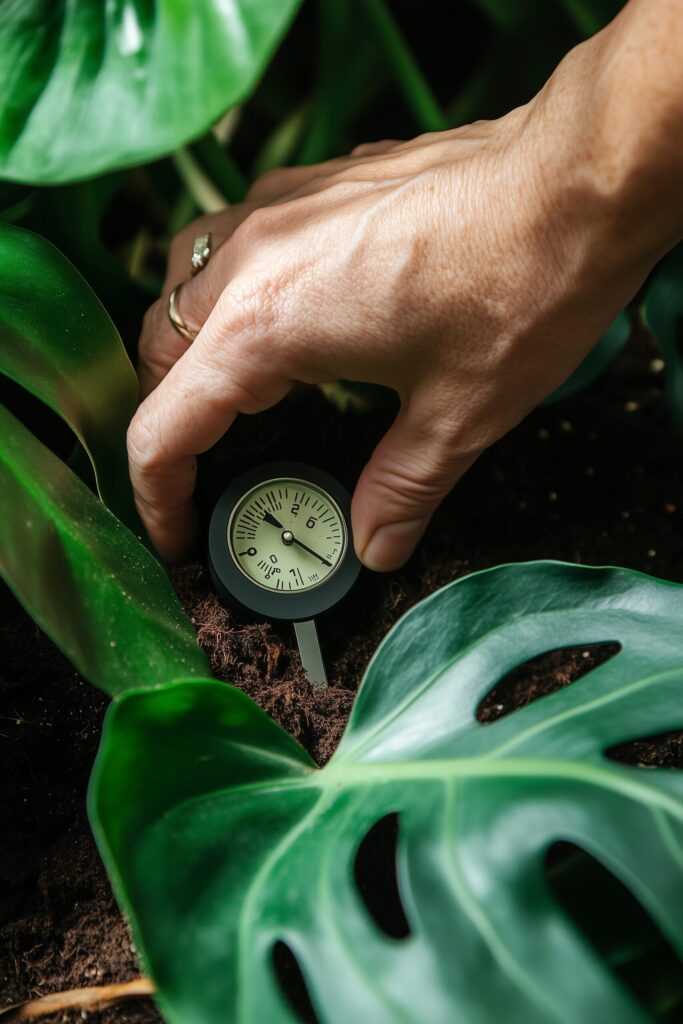
- Tools that can help. Use a simple moisture meter to take the guesswork out of figuring out when to water. Use a watering can with a long pouring spout so you can better direct the water to the soil and not on the leaves. Try the classic moisture meter and a stainless long-spout watering can.
Shop: yellow leaves on houseplants fix
Why do tips look brown and crispy?
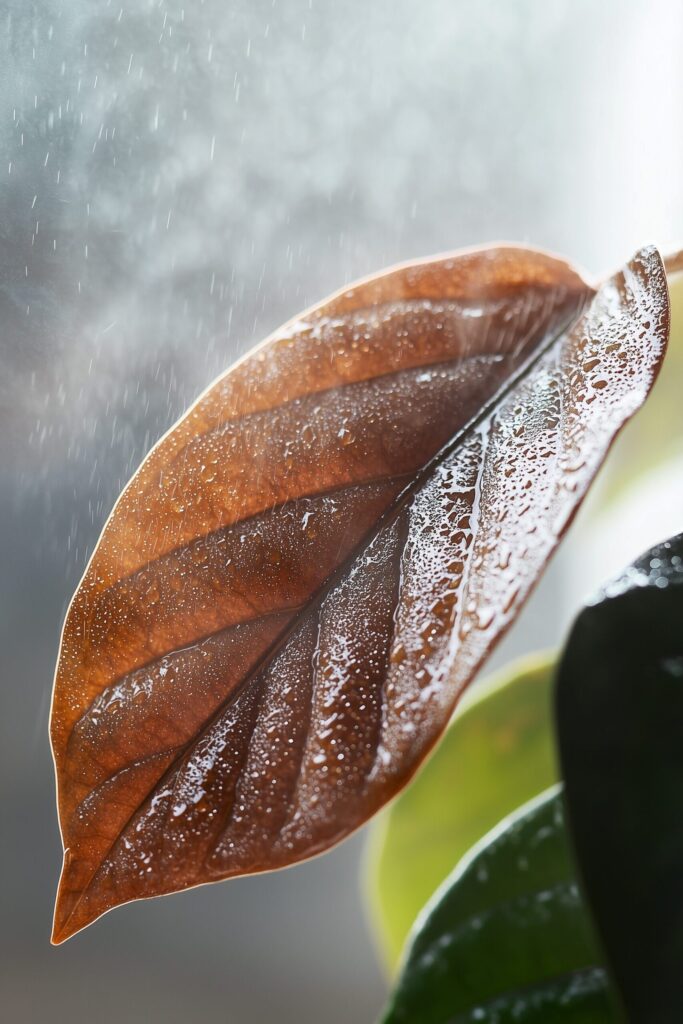
What it means: Low humidity, underwatering between big gulps, fertilizer salts, or hard water minerals. Peace lilies, calatheas, and fiddle leaf figs are drama-prone here.
How to fix it fast:
- Trim browned tips at an angle, following the leaf’s natural shape.
- Switch to bottom watering every other time so the root ball rehydrates evenly.
- Rinse the soil in the sink for 2–3 minutes to flush salts every couple of months.
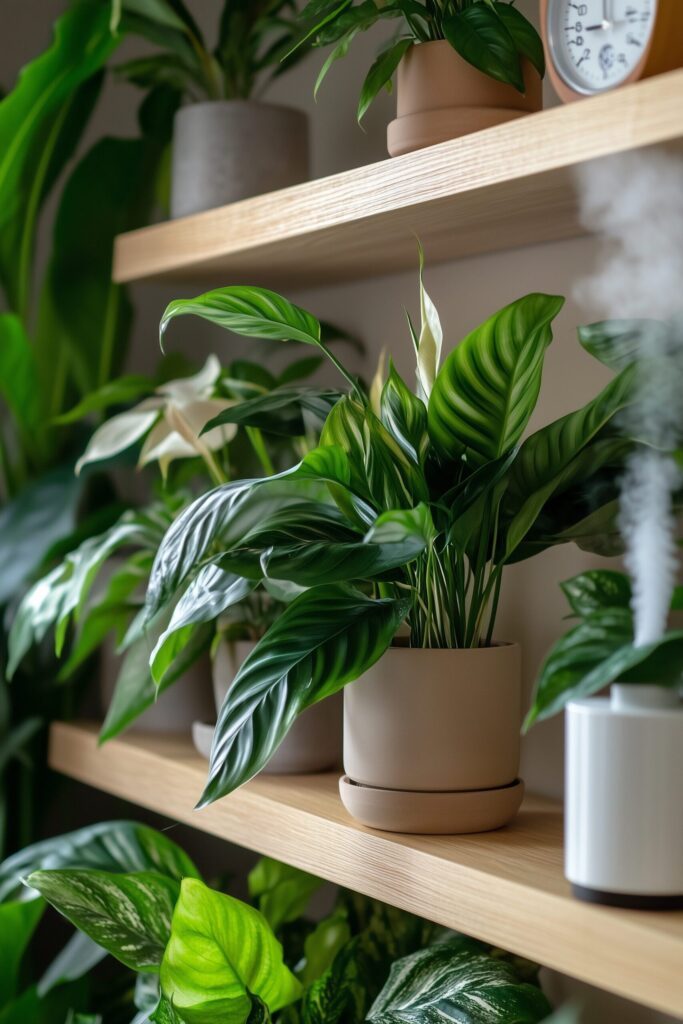
- Boost humidity near tropicals with a cool-mist humidifier.
Helpful gear: A quiet, top-fill humidifier you’ll actually run, plus sharp pruning shears for clean cosmetic trims.
Shop: fix brown tips on houseplants
Why is the plant drooping or wilting?
What it means: Either very dry roots or roots suffocating in water. Same symptom, opposite causes.
How to fix it fast:
- Probe the soil. If the meter reads “dry” deep down, bottom-water for 20–30 minutes until the top feels evenly moist.
- If the root ball is heavy and wet, unpot and check: brown, mushy roots signal rot. Snip mushy bits with disinfected pruning shears and repot into airy mix.
- Adjust the schedule: water thoroughly, then let the plant tell you when it’s ready again.
Shop: how to fix drooping pothos
Why are new leaves small and growth slow or stalled?
What it means: Not enough light or nutrients. In winter, growth naturally slows; in spring and summer, it should pick back up.
How to fix it fast:
- Move to brighter indirect light, or add a grow light 6–12 inches above the foliage for 10–12 hours daily.
- Feed lightly at every other watering during the growing season with a gentle liquid fertilizer.
Picks I trust: A clip-on full-spectrum grow light and an easy, kid-and-pet-safe fertilizer.
Shop: slow plant growth solutions
Why are stems stretching and internodes long and bare (aka “leggy”)?
What it means: Your plant is reaching for light. Common with pothos, monstera, pilea, and herbs.
How to fix it fast:
- Increase light immediately. Rotate the pot weekly so growth stays even.
- Pinch back vines to encourage branching. Propagate cuttings to replant for a fuller look.
- Support climbers with a moss pole so leaves can size up.
Add-ons: That same grow light is gold here; use pruning shears for tidy pinches.
Shop: leggy pothos fix
What if leaves have brown patches, rings, or powdery residue?
What it means: Sunburn (crispy tan patches), cold damage (blackened water-soaked areas), or fungal issues like powdery mildew.
How to fix it fast:
- Sunburn: move out of direct midday sun; the damaged leaves won’t green up, but new growth will be normal.
- Cold shock: avoid AC drafts and cold windows; prune affected leaves.
- Suspected fungus: improve airflow, reduce leaf wetting, and treat with a gentle neem oil spray as a leaf wash.
Grab this: Cold-pressed neem oil for spot-treating foliage.
Shop: leaf spot treatment houseplants
Why are leaves curling or cupping?
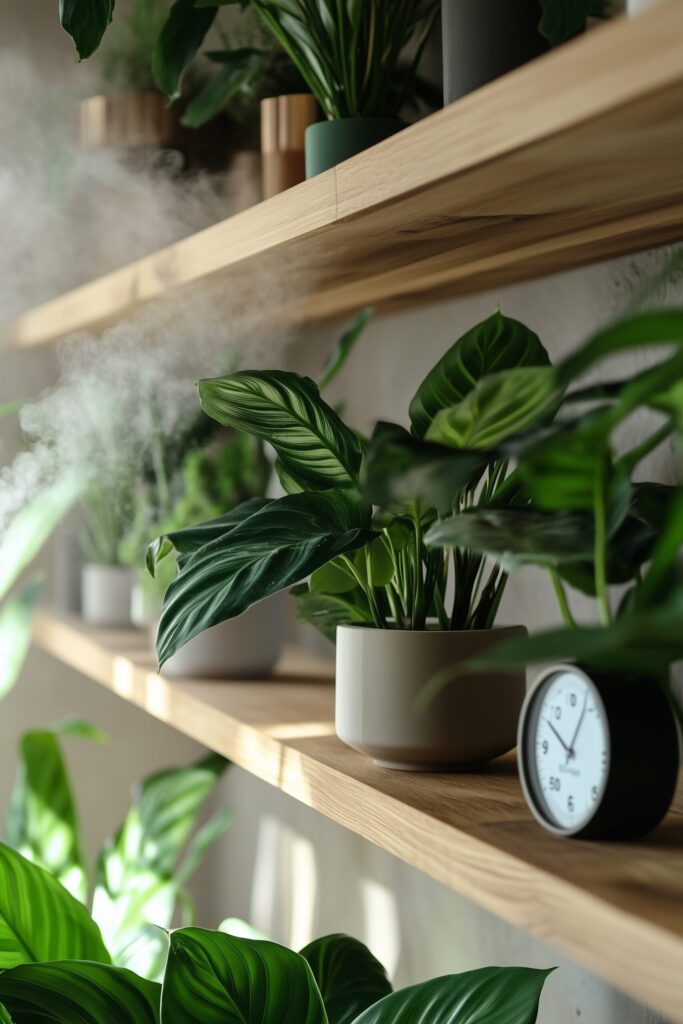
What it means: Heat or light stress, underwatering, wind from vents, or pests.
How to fix it fast:
- Move slightly farther from the window or light source and raise humidity.
- Water thoroughly and reassess in 24 hours.
- Check undersides for pests; treat if you see anything moving or sticky residue.
Shop: leaf curl houseplant fix
What are those tiny flies in my face every time I water?
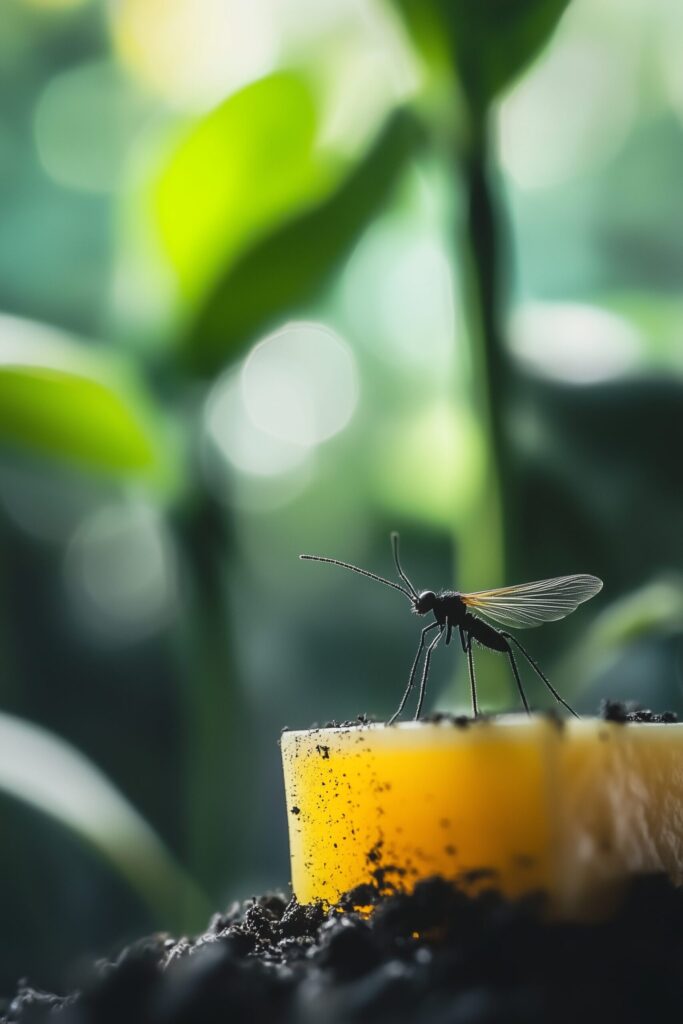
What it means: Fungus gnats. They breed in consistently wet soil and love organic matter.
How to fix it fast:
- Let the top inch dry between waterings.
- Top-dress with a thin layer of horticultural sand or small decorative gravel to discourage egg-laying.
- Trap adults with yellow sticky traps and drench the soil with a mild solution like a neem soak if needed.
Starter kit: These reliable sticky traps plus your neem oil.
Shop: fungus gnat control for houseplants
Why are stems mushy and the plant smells swampy?
What it means: Root rot from chronic overwatering or poor drainage.
How to fix it fast:
- Unpot the plant. Rinse off soil and inspect roots.
- Trim all brown, mushy sections with disinfected pruning shears.
- Repot into a fresh, well-draining houseplant mix and a pot with a drainage hole. Don’t water for 2–3 days to let cuts callus.
Supplies: A gnat-resistant potting mix and those shears again.
Shop: root rot treatment houseplants
What is that sticky residue or white fuzz?
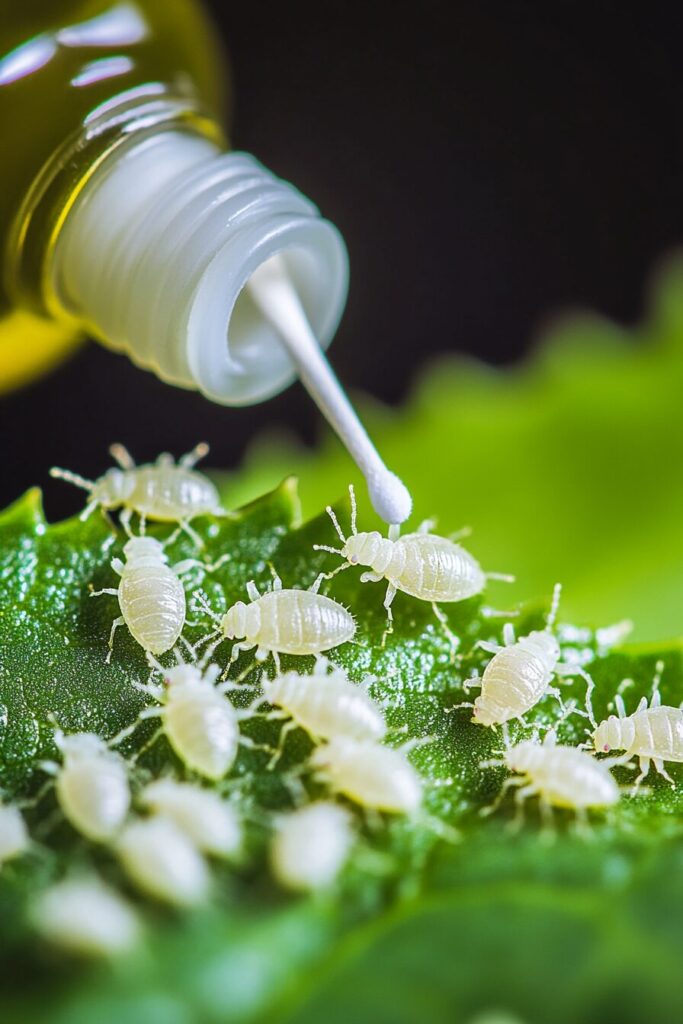
What it means: Sap-suckers like mealybugs (cottony tufts), scale (hard bumps), aphids (tiny clusters), or spider mites (silky webbing and stippling).
How to fix it fast:
- Isolate the plant. Scrub the leaves, stems, and the top layer of soil with a damp cloth using a drop of mild soap for 2-5 minutes.
- Treat the crevices of the plant with a cotton swab dipped in 70% isopropyl alcohol.
- Repeat the step every 7 days for 3 -4 cycles to catch any hatchlings. If there are some mites present you can vacuum or shower the plant gently.
Tools: Cold-pressed neem oil and sticky traps to monitor spread.
Shop: mealybug and scale control
Why is the plant dropping lots of leaves at once?
What it means: Big environment change. Drafts, sudden repotting, a move to lower light, or drastic watering swings can trigger leaf drop, especially with ficus and schefflera.
How to fix it fast:
- Stabilize conditions — consistent light, watering, and temperature.
- Don’t overreact with extra water. Wait for normal dryness, then water deeply.
- Prune lightly to shape if needed and let the plant push new growth.
Shop: leaf drop houseplant help
Why is the soil staying wet forever?
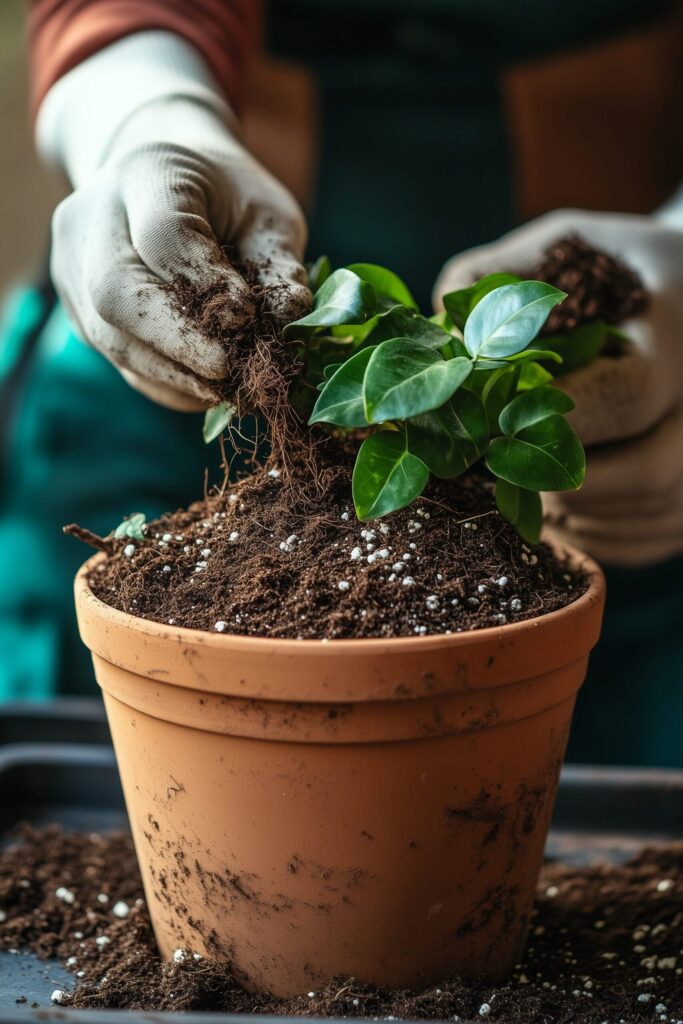
What it means: Soil is too dense or organic for your plant and pot size. Also possible: no drainage holes.
How to fix it fast:
- Repot into a breathable indoor mix with perlite and bark for aeration.
- Upsize the drainage: ensure a hole and use a nursery pot inside a cachepot.
- Water less often, and use a moisture meter to learn your plant’s dry-down time.
Get this: The well-draining houseplant mix and the moisture meter.
Shop: best soil for indoor plants
Why do leaves look pale or bleached on the sun side?
What it means: Sunburn. Even sun-lovers scorch through glass when the angle shifts seasonally.
How to fix it fast:
- Pull the plant a foot back from the window or diffuse with sheer curtains.
- Rotate weekly for even exposure.
- Add a grow light if total light now seems low.
Handy: That adjustable grow light keeps brightness steady without harsh rays.
Shop: prevent houseplant sunburn
Why are edges puckered and the plant looks thirsty even though I water?
What it means: Hydrophobic soil that’s pulling away from the pot walls or compacted peat shedding water.
How to fix it fast:
- Bottom-water for 30–45 minutes so the root ball fully rehydrates.
- Gently poke holes into the soil with a chopstick to improve absorption.
- Next repot, switch to a chunkier mix or blend in perlite and bark.
Shop: revive hydrophobic soil
Quick Care Cheatsheet You Can Do Today
- Audit light: Place your hand over the plant at midday. Crisp shadow = bright, fuzzy shadow = medium, no shadow = low. Add a grow light if needed.
- Water smart: When the meter hits “dry” deep down, water thoroughly until runoff, then empty saucers. Use a long-spout watering can.
- Feed lightly: During spring and summer, dose a gentle fertilizer every 2–4 weeks.
- Trim and tidy: Regular snips with pruning shears keep growth compact and encourage new shoots.
- Prevent pests: Weekly wipe-downs and monthly shower days help. Keep sticky traps tucked in planters to monitor.
Shop: houseplant care essentials
FAQs
Is top watering or bottom watering better for monsteras?
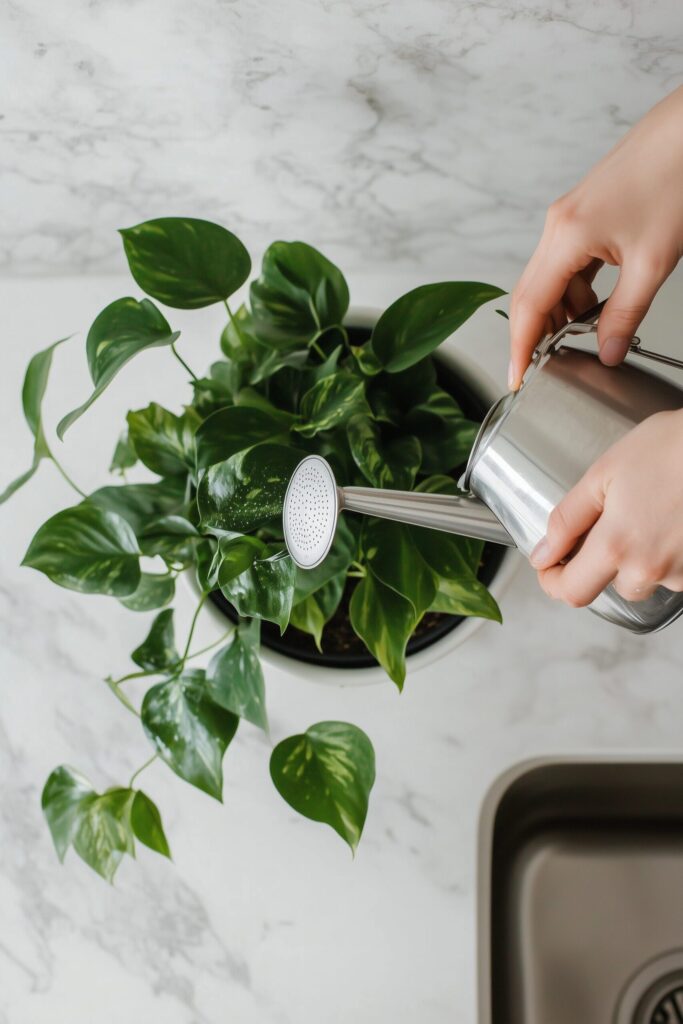
Bottom watering is great for rehydrating a dry, compacted root ball, but for routine care I like a hybrid. Bottom-water for 20 minutes, then top-water a little to flush salts. Use a long-spout watering can to avoid splashing foliage.
Shop: watering cans for indoor plants
Do I really need a humidity boost for calatheas?
Most calatheas want 50–60% humidity to avoid crispy edges. Group plants, move away from vents, and run a small humidifier nearby.
Shop: humidifier for tropical houseplants
What’s the safest way to handle pests on edible herbs indoors?
Start with physical removal and a gentle leaf wash. Follow with a light application of cold-pressed neem oil per label directions; rinse before harvest.
Shop: natural pest control for herbs
How do I know when it’s time to repot?
Roots circling the bottom, water running straight through, or a plant that wilts fast after watering are cues. Go up just one pot size and use a fresh, airy houseplant mix.
Shop: best indoor potting mix
More Q&As
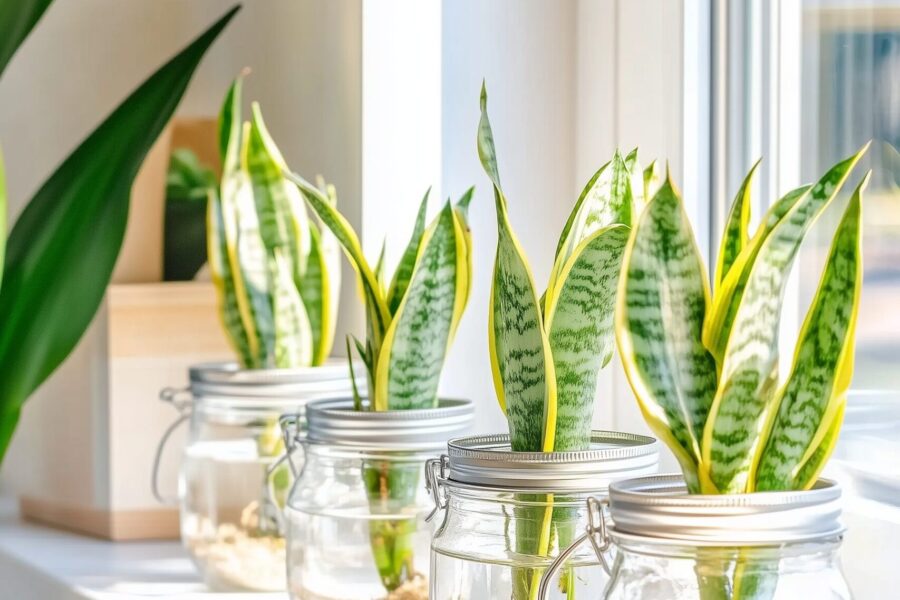
Q: My snake plant has yellow leaves at the base. Did I overwater?
A: Most likely. Snake plants store water in their leaves and rot easily in soggy soil. Trim the yellowed leaves at the base, let the soil dry completely, then water sparingly going forward.
Q: Can I use tap water for calatheas?
A: If your tap water is hard or chlorinated, switch to filtered or let water sit out overnight before using. Many calatheas show crispy tips from minerals and chlorine.
Q: How close should a grow light be?
A: Start 8–12 inches above the foliage, 10–12 hours daily, then adjust based on leaf response. If leaves bleach or curl, raise the light or shorten the duration.
Q: Do self-watering pots prevent overwatering?
A: They help, but you still need airy soil and a plant that likes consistent moisture. Keep the reservoir low until you learn the plant’s pace.
Q: I see tiny webs but no spiders. Is it mites?
A: Probably spider mites. Increase humidity, shower the plant gently, and treat leaves weekly with neem oil for a month.
A 10-minute triage you can repeat each month
- Look: New leaves? Any spots, webbing, or sticky residue?
- Feel: Use the moisture meter in two places.
- Light: Rotate a quarter turn. Consider a grow light for north rooms.
- Trim: Remove dead bits with pruning shears.
- Clean: Wipe leaves and flush the soil every couple months.
Shop: houseplant maintenance kit
Final take
Once you have a knowledge about the language of plants, they communicate quite clearly – yellowing leaves, crispy edges, droop or stretch while exerting themselves – each of these indicate light, water, nutrients or pests. Once you’ve gone through each area, Light, Water, Soil, then Humidity. Make small adjustments one room at a time, take notes in your phone, and watch your plant respond in a week or two. You’ve got this!



Leave a Reply