
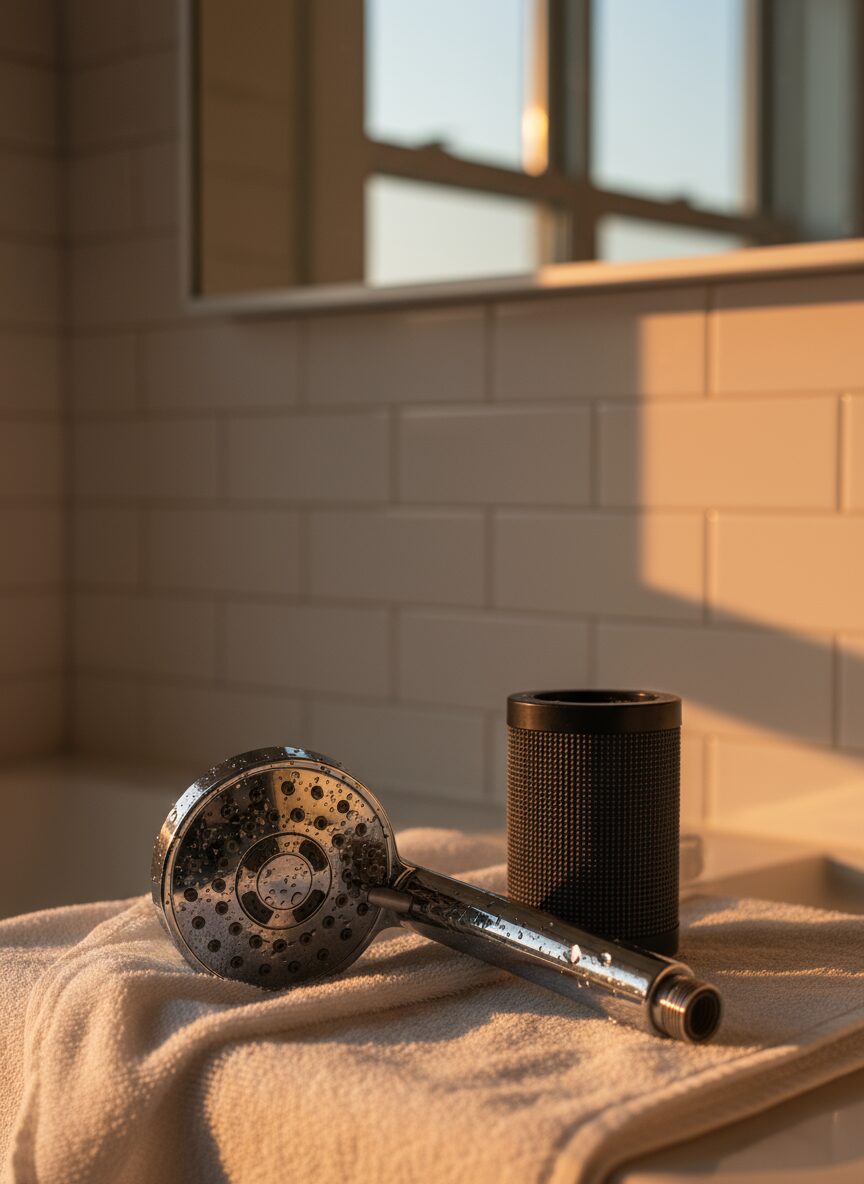
Is this a familiar moment: You’ve stepped out of the shower, expecting soft, clean skin and shiny hair. Instead, you’re staring back dryness and frizz in the mirror. I have been there too. When I moved to an area with hard water, I learned that the water you subject to your body had as much an effect on your skin and hair as the products that you use. This is what prompted my journey down shower head filter, with each presenting miracle transformations and chlorine-free results.
Let’s be real — not all shower filters do what they say. Some can become ineffective in a matter of weeks, easily clog, and/or only “filter” the smell, but not the bad stuff. Finding a shower head filter that actually works is kind of like looking for a needle in a (very soapy) haystack. Today, we’re going to make this less overwhelming. By the time you finish this post, you will know exactly how to choose the right shower head filter for your home, your hair, and your health.
If you clicked on this article wondering how to choose a shower head filter, here is your short answer: The best filter is one that matches your water type (hard vs. soft) and uses a proven filtration media like KDF-55 or activated carbon, as well as connecting to your shower system without reducing pressure. Yes! There are some excellent, affordable options that can do all thre. Let’s figure out how to find your filter match.
What Makes a Shower Head Filter Actually Work?
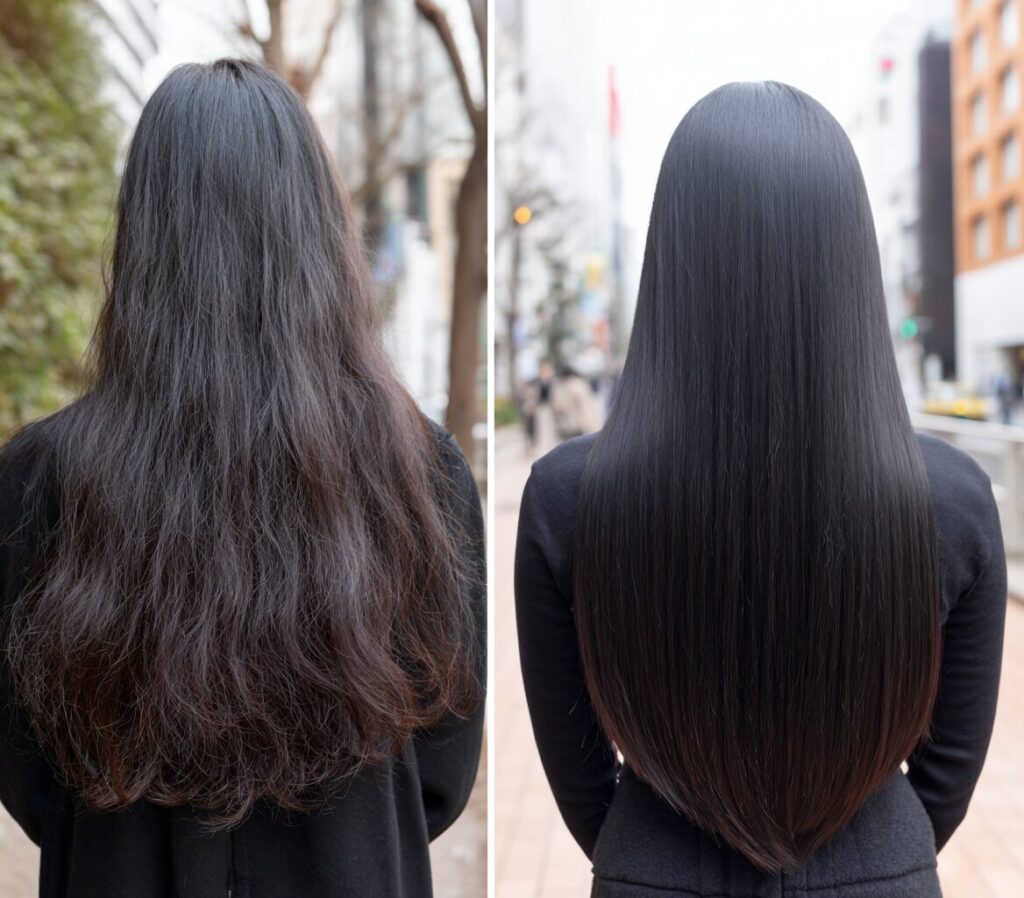
Before you scroll Amazon aimlessly, it’s important to understand what a shower filter does. A filter’s job is to remove the bad stuff—think chlorine, heavy metals, pesticides, and sometimes even bacteria—from your water before it reaches your skin. But not every “filtered shower head” you see online has true filtration power. Some are basically perfumed shower heads with no meaningful filtering inside.
The most effective systems usually include multiple filtration layers. You’ll often see KDF-55 filter media combined with activated carbon or ceramic balls. KDF-55 is a high-purity alloy of copper and zinc that employs the chemical process of redox (reduction-oxidation) to convert harmful contaminants into harmless or non-toxic byproducts. Activated carbon helps remove chlorine, chloramine and organic compounds, making your water taste good and smell good. (yes, you can “taste” your shower water, through your skin)
If your water contains calcium or magnesium build-up, otherwise known as “hard water”, you’ll want to use a filter that has a descaling component, such as a calcium sulfite layer or vitamin C layer. What these components will do is target the very minerals that cause limescale build-up and dry skin.
Shop: shower head filter KDF 55
How Do You Know What’s in Your Water?
Before you buy anything, test your water. This doesn’t have to be complicated or expensive—you can use a home water test kit that checks for chlorine, lead, pH, and hardness levels. It only takes minutes and gives you honest insights into what you’re dealing with.
With well water, your main concerns will usually be heavy metals and bacteria. With city water, it will be anything that the city adds, such as chlorine and fluoride. Hard water will often have highly concentrated calcium and magnesium, leaving mineral residue on your shower glass and dryness on our body. Once you understand your specific issue, you can choose the filter for your specific issue.
Bonus: you can make note of the smell or feel of your water. Does it smell like a pool, or do you feel itchy after a shower? Chlorine is your answer. Do you smell or see cloudy spots on your faucets and tile? Hard water is your answer.
Shop: home water testing kit
Which Filter Media Removes the Most Contaminants?

This is where things get technical—but I promise it’s worth understanding. The most common shower filter media types include:
- KDF-55: Great for removing chlorine, hydrogen sulfide (“rotten egg smell”), and heavy metals like lead and mercury. Also helps inhibit bacterial growth inside the filter.
- Activated Carbon: Excellent for improving smell and reducing chlorine. Works best in warm to moderate temperature water.
- Calcium Sulfite: Known for very fast chlorine removal, especially effective in hot water (perfect for people who love long showers).
- Ceramic Balls: Help balance pH and soften water slightly.
- Vitamin C Layers: Neutralize chlorine naturally, often combined with spa-style shower heads for a skin-friendly boost.
A good shower filter will use a smart combination of these, layering materials so that as water passes through, each stage targets a different contaminant. The 15-stage shower filter is a Pinterest favorite for a reason—it packs multiple filtration types into one cartridge, yielding noticeable skin and hair improvements within days.
Shop: 15 stage shower filter
Does the Type of Shower Head You Have Matter?
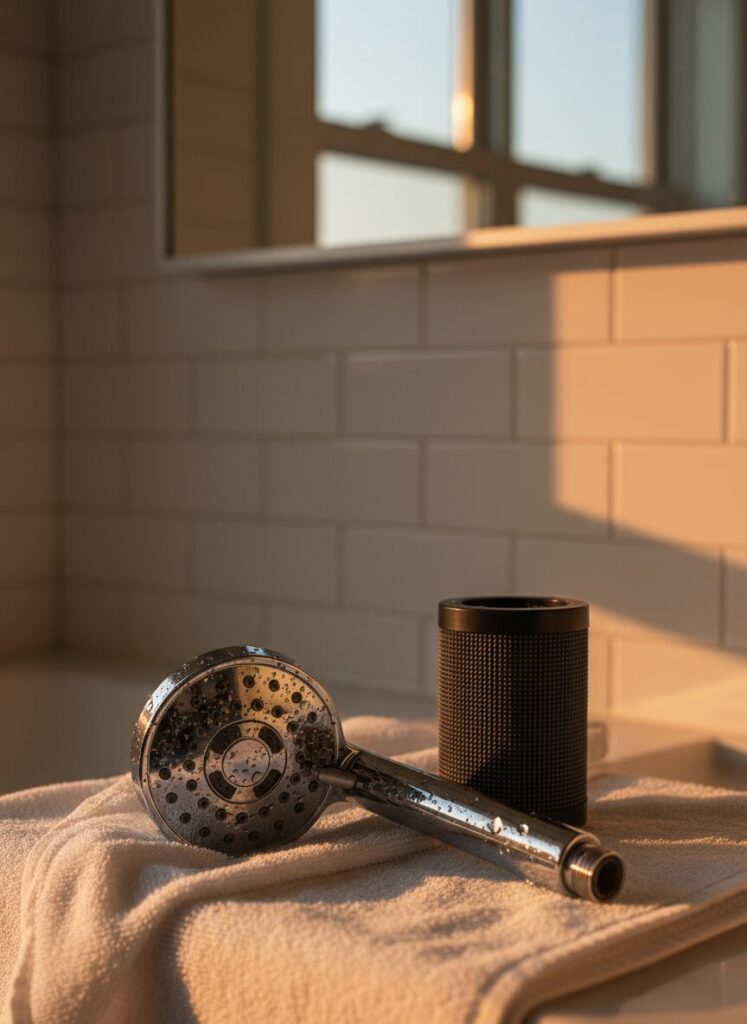
Yes—definitely. Not every filter will fit on every shower head. Some filters screw directly into your pipe in a connector between your existing shower head and your pipe, while others come as one unit (the filter is built into the head). If aesthetics in your bathroom are important to you, consider the looks as much as the function. A unit with polished chrome or matte black designs can fit nicely in even the most minimalist bathrooms.
If you’re renting, a detachable in-line filter is perfect—you can easily remove it in the event you move, and if you have a fixed rain shower, look for filter housing that is wide enough, so it will not restrict water flow through the shower head. Most filters have a standard ½ inch connector which fits a typical U.S. shower, just be sure to verify the connector will fit before you buy it.
And one more thing: flow rate matters. A filter that outputs less than 1.8 gpm (gallons per minute) is going to leave you disappointed in water pressure, and something that exceeds 2.5 gpm is going to waste water without purpose. Many of the best models, like the AquaBliss shower filter, strike the right balance between filtration and flow.
Shop: AquaBliss shower filter
How Often Should You Replace the Filter Cartridge?
This is one of the biggest factors that people overlook. Even the best shower head filter will fail if the cartridge is never replaced. Most shower head filters will last between 4 to 8 months based on the quality of the water and the number of people in the house. A family of four that showers every day? Replace sooner. Live alone and have short showers? You will get more life out of a single cartridge.
One simple trick you can do is to write the installation date on a piece of tape and stick it right next to your shower. That visual reminder will be there so you know when to replace it. Replacement cartridges cost between $10 and $25 based on brand and complexity.
Pro tip: If your water has a smell to it again or your water pressure drops to a significant degree, your filter is screaming to be replaced. Filters like the Sprite replacement filter cartridge make switching super simple—no tools required.
Shop: shower filter replacement cartridge
What Are the Benefits You’ll Actually Notice?
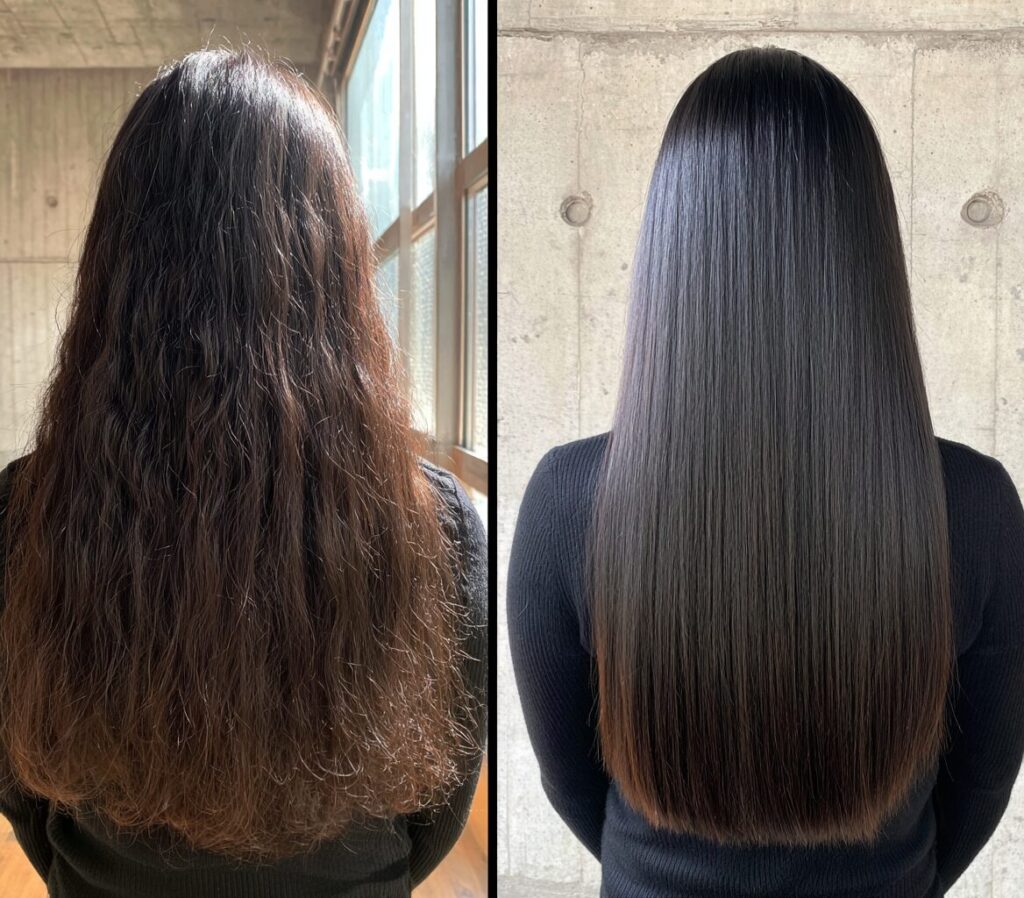
After using a quality product just a few times, many customers notice that their skin feels softer and their hair looks shinier—and that’s due to having chlorine and heavy metals that remove the oils we naturally have! So if you have been suffering with an itchy scalp, dry spots, or brittle hair, a good filter can make a significant difference and very quickly.
Over the long haul, a shower filter will also help protect your home. Hard water builds up on your fixtures and glass, and filtering the hard water will help keep your bathroom cleaner longer. Less mineral buildup means your shower head and tiles stay nicer with much less effort. It is also non-negotiable if you have colored hair! A chlorine filter will prevent your hair from fading out and looking dull, even with expensive conditioners.
And that’s not even including what a wonderful benefit it will be for your lungs. When hot water vapors chlorine, we frequent our worries about drinking it, but we are inhaling it every day when we have a hot steam shower. The newer any filter, the less potentially harmful exposure you will have.
Shop: hard water shower filter
Which Brands and Models Are Worth Trying?
If you type “best shower filter” into any search bar, you’ll be swamped with results—but a few brands consistently rise to the top for balancing price, performance, and reliability:
- AquaBliss: Great all-rounder, affordable, with reliable chlorine reduction.
- Sprite Showers: Industry classic; their filters have been trusted for decades and are NSF-certified.
- Berkey Shower Filter: Focuses on chlorine and scale reduction; known for consistent water pressure.
- PureAction Vitamin C Filter: Adds nourishing vitamin C and essential oils to the mix for spa-like effects.
For those interested in a cleaner, minimalist design, the PureAction vitamin C shower filter looks good and feels even better.
Shop: best shower filters
How Can You Maintain and Extend Filter Performance?
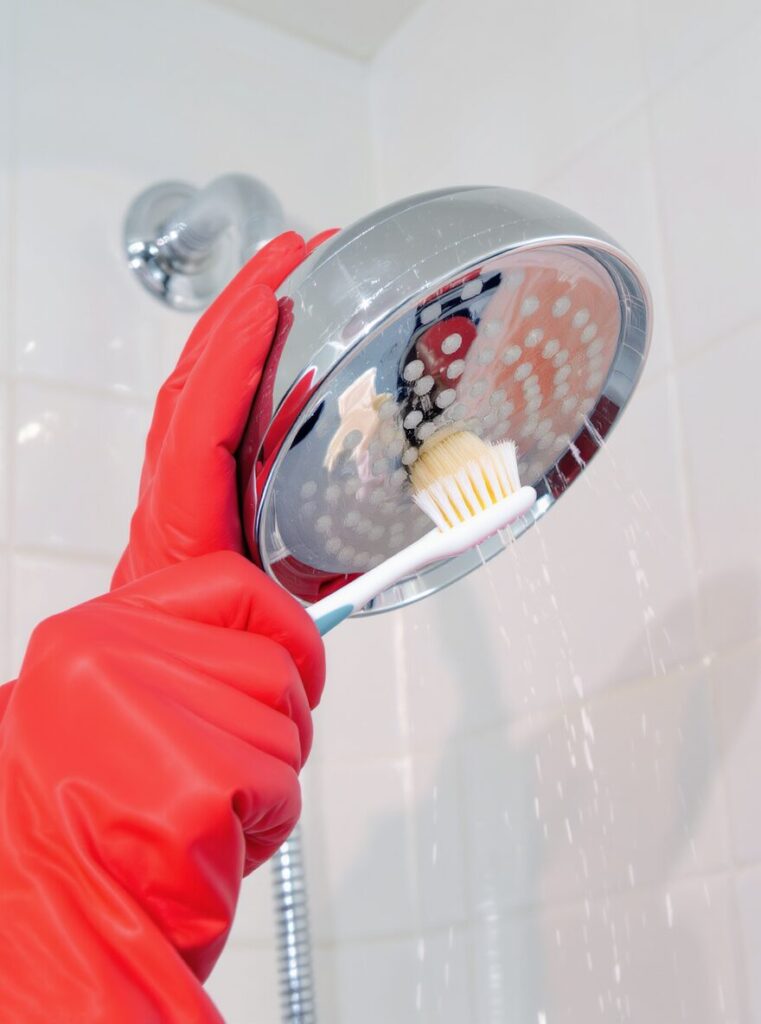
Taking care of your filter doesn’t have to be a hassle. Simply wiping your shower head down every other week can help to keep mineral buildup from clogging flow. Every 2-4 months, simply twist the filter Housing off and rinse off sediment buildup in the filter. Just avoid harsh cleaning agents that can eat at filter materials. Instead try using white vinegar diluted to keep dry minerals from hard-set.
If your type of cartridge allows for backwashing (running water backward through the filter cartridge), it can help prolong the cartridge life. Always follow the care instructions from your manufacturer though. Many people forget to do the backwash and as a result reduce filter life by a significant amount.
Shop: white vinegar cleaning solution
Are Shower Filters Really Worth the Cost?
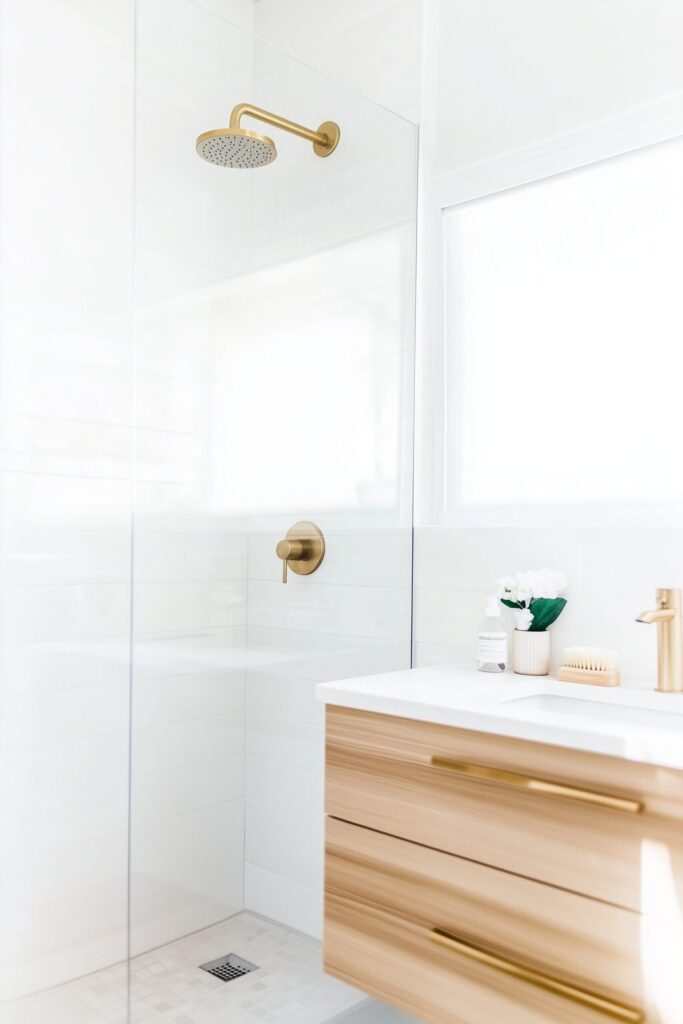
Certainly. Consider it like skin care- you wouldn’t put a high-quality serum on your skin and then wash it off in chlorinated water. A solid shower filter will safeguard your efforts and also your investment in beauty products. Once you factor in the cost per day (just a couple of pennies a day after the purchase), the visible improvement and benefit to health over the long run will far exceed your investment.
Not to mention, filtered showers feel better. The water has a smoother, lighter feel and it smells noticeably better. I suspect you will find that you will actually look more forward to a shower because you will feel hydrated and refreshed rather than dried out.
Shop: affordable shower filters
Shop My Faves From
Final Thoughts: How to Make the Best Choice for You
Once you’re familiar with what to look for, selecting a shower head filter shouldn’t be complicated. Test your water to identify your needs, select filters that utilize dependable media such as KDF-55, or activated carbon. You should also make sure that the filter will fit onto your existing shower. If you frequently dye your hair or have sensitive skin, you should prioritize the removal of chlorine and heavy metals. Lastly, it’s very important to change your cartridge regularly and not just use the filter.
Once I set up my first quality filter, I could not believe the difference. My hair products appeared to work better than ever, my skin no longer itched, and my bathroom smelled clean and fresher than before. It is one of those small upgrades that makes a difference in your daily life, but, it truly makes an impact!
This post was all about How to Choose a Shower Head Filter That Actually Works
FAQs
1. How long does a shower head filter last?
Most filters last 4–8 months, depending on water quality and usage. If you notice pressure changes or water odor returning, replace the cartridge.
2. Can a shower filter really help hair color last longer?
Yes! Filters reduce chlorine and metals that strip color, helping your tone last and stay vibrant longer between salon visits.
3. Do shower head filters work with both hot and cold water?
Most do, but high chlorine-removal media like carbon work best in medium-to-warm water. KDF-55 performs well in all temperatures.
4. Can shower filters improve acne or eczema?
Many users notice fewer flare-ups since filters reduce harsh chemicals and metals that dry out or irritate skin conditions.
5. Are shower filters hard to install?
Not at all—most models simply twist on by hand in minutes and require no specialized tools.



Leave a Reply