
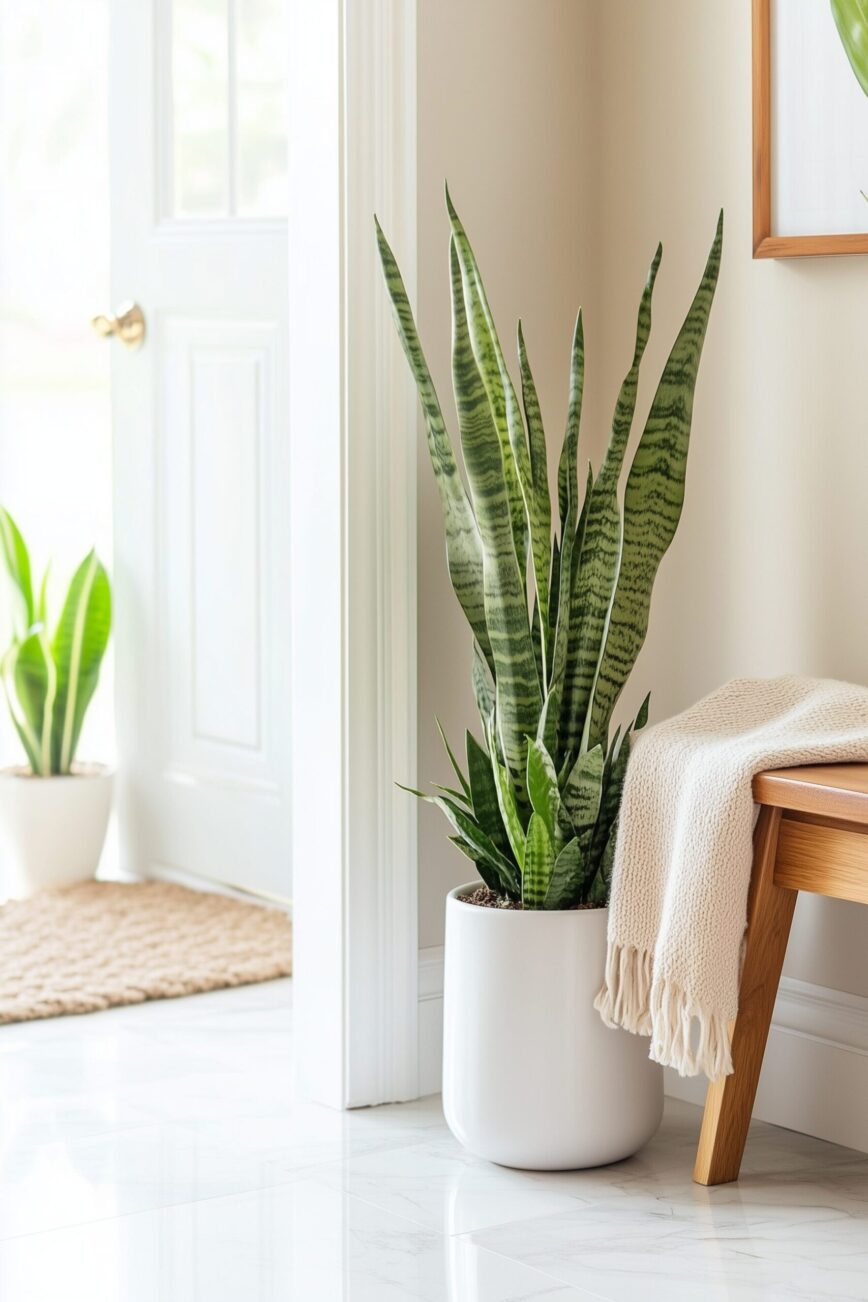
There’s something charming about the snake plant’s understated strength. I remember when I bought my first Sansevieria. It was a small plant with stiff green leaves and bright yellow striping, from a corner plant shop, long ago. That little plant was the only one to survive those first few months when I was learning not to drown my houseplants in love (and too much water). Over time, it became a faithful and permanent guest in every room I moved to, doing its job of purifying the air and adding that structural, green calm to whatever space I was in.
And perhaps that is why you’re here—you would like to know how to keep your snake plant looking lush and thriving year-round, without complications or misunderstanding. Good news, Sansevierias are notoriously low maintenance, and with just a few basic habits, you will be rewarded with nearly indestructible beauty. For either the new plant parent or the seasoned caretaker looking to elevate your care routine, by reading this guide on snake plant care made simple, you can look forward to keeping your plant happy all year long.
Here’s the quick version: Snake plants do best in bright, indirect light (but tolerate low light), don’t water until the soil is dry as a bone, and want loose, well-draining mix. Do not overwater the plant is the number one killer. Once you make sense of those three pieces of info you have laid the groundwork for year-round success. Until then, keep reading, because we break down everything you will need to know from your ideal soil mix and watering tips to propagation hacks and pest prevention so you will feel good knowing you can care for your Sansevieria all year long.
What Makes Snake Plants So Easy to Care For?
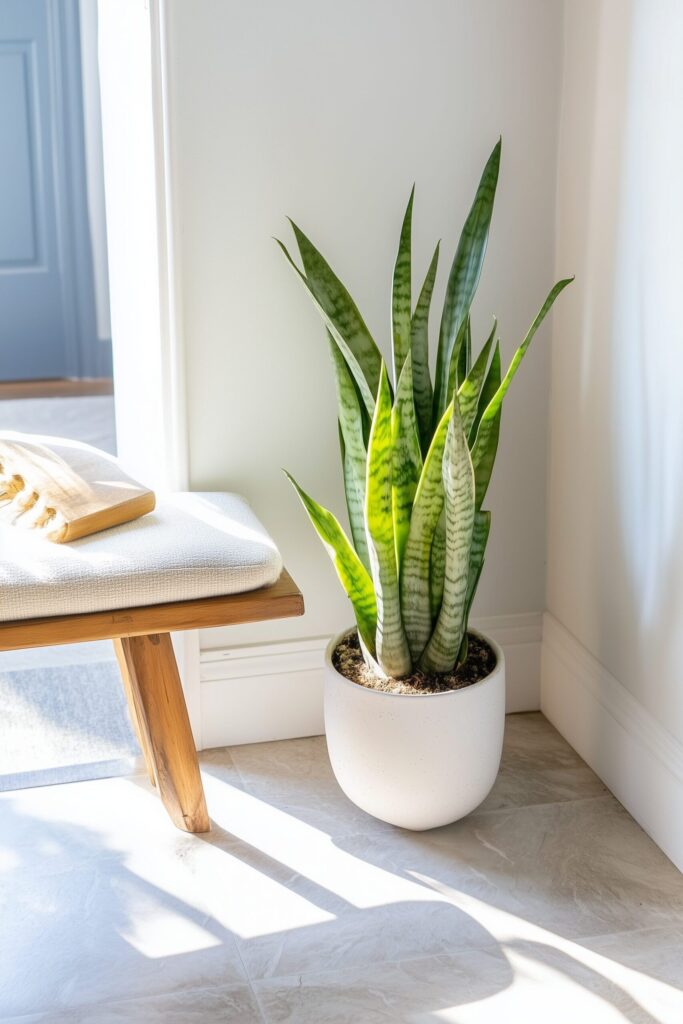
Let’s start with the best part—snake plants are perfect for new plant owners (with perhaps a busy schedule). Snake plants are adapted to dry, rocky environments and so they can go weeks without care or water. Snake plants (or “mother-in-law’s tongue”) also store water in their thick, sword-like leaves which allows them to survive periods without water – they don’t require as frequent watering as many other plants; even some people say dark and dry is better than love too much.
Another part of their forgiving nature is their adaptability. Snake plants can tolerate all kinds of indoor growing conditions from shadowy corners of an office under fluorescent lighting, to obviously better growing conditions next to a sunny window. In addition to self-care, competing with other plants indoors, snake plants can also be helpful as decorative companion plants, as many snake plants are covertly filtering harmful toxins from the air.
Regardless of how hardy your plant is, eventually you will want to have an educated care plan – especially if you are looking for consistent growth, unknown thriving color changes and firm shiny leaves. Care for your snake plant is pretty straight forward, however, care will require attention to detail and will take the seasons into consideration.
Shop: snake plant pots
How Often Should You Water for Perfect Snake Plant Care?
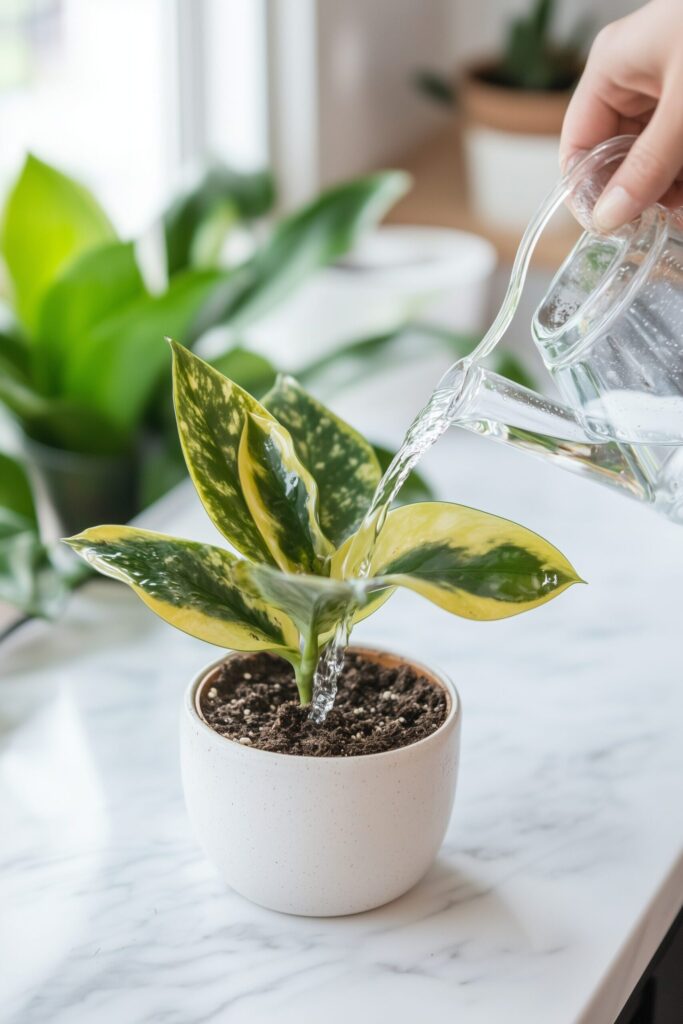
Overwatering is the #1 mistake plant lovers make—and snake plants are particularly sensitive to it. Their roots are prone to rot when they sit in soggy soil. The tried-and-true rule: water only when the top 2 inches of soil is totally dry. In warm months, that might mean you choose to water every two to three weeks, and in the winter, once a month or maybe even less.
A moisture meter is a handy tool for this, especially if you struggle to judge soil dryness. Pair it with a slender gooseneck watering can to deliver precise amounts of water directly at the base without splashing the leaves, which can cause spots or rot. Deep, infrequent watering mimics the snake plant’s native desert environment—roots get soaked, then dry completely before the next dose.
For those who travel or forget to water, self-watering globes can help provide consistent, minimal hydration without the risk of soggy soil. Just insert one into the soil, and it will gradually release moisture as needed.
- Check the soil before watering—never follow a strict schedule.
- Avoid misting: snake plants dislike excess humidity on their leaves.
- Use filtered or room-temperature water when possible.
Shop: watering cans for indoor plants
What’s the Best Soil Mix for Healthy Snake Plant Roots?
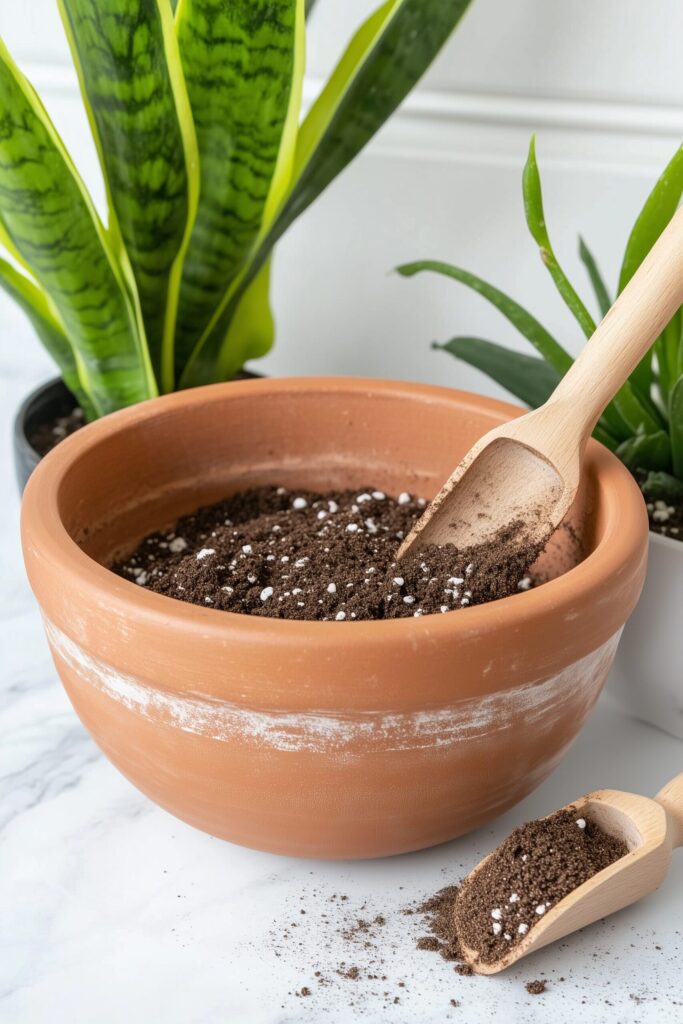
Snake plants hate soggy soil, so good drainage is non-negotiable. The best potting blend for Sansevieria is aerated and quick-drying. You can use an all-purpose indoor potting mix as a base, but improve it by mixing in chunky ingredients like orchid bark mix, perlite, and a little peat moss. For odor control and extra root health, a spoonful of activated charcoal works wonders.
A great DIY ratio looks like this:
- 2 parts indoor potting mix
- 1 part perlite
- 1 part orchid bark
- ½ part peat moss
Always make sure your pot has a drainage hole, or line the bottom with LECA clay pebbles to prevent standing water. A sturdy drainage tray underneath can catch the excess water while keeping surfaces clean.
Shop: snake plant soil mix
How Much Light Does a Snake Plant Really Need?
While snake plants can endure a little bit of a shady corner, they’ll really flourish in a bright, indirect light space. A few feet away from a nice sunny window where the light partially passes through a thin shear curtain is great. If you see colors fading or long floppy leaves, that’s a great indication that they need more sunshine!
During darker winter months, give them a boost with LED grow lights or full-spectrum grow bulbs. Set them on a timer for 10–12 hours a day to mimic natural daylight. Avoid harsh midday rays directly hitting the leaves—they can scorch, especially through window glass.
Rotate your snake plant every few weeks so all sides get equal light exposure. This helps maintain an upright, balanced growth pattern without leaning toward the window.
Shop: LED grow lights for indoor plants
What Temperature and Humidity Are Best for Snake Plant Care?
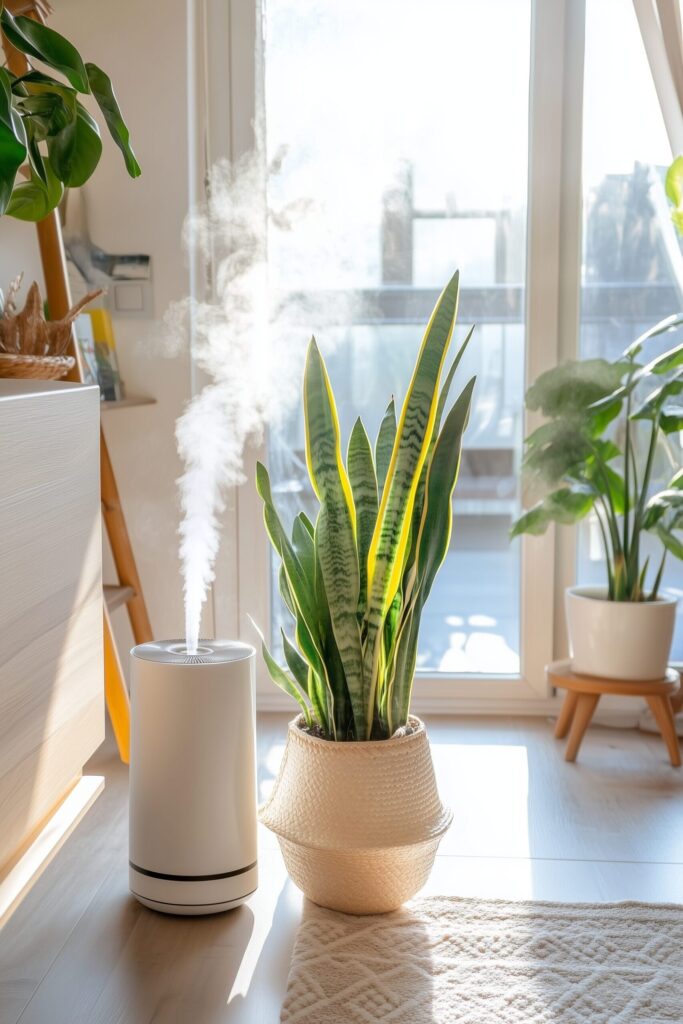
Snake plants thrive in the same environment we do: a stable, mild indoor climate. They like to grow in temperatures 65°F and 85°F (18°C–29°C). They don’t like cold temperatures, so keep them away from drafty windows and air-conditioning vents!
Humidity is not a big factor, and average humidity for indoor plants is acceptable. Too high of humidity can develop fungal issues. Use a hygrometer to keep an eye on levels if you live in an especially humid or dry area. If your home tends to be damp, a dehumidifier will help. Conversely, in desert-dry conditions, a small humidifier placed nearby can maintain balance.
- Never leave a snake plant outdoors when nights dip below 50°F (10°C).
- Ideal indoor placement: 3–6 feet from a bright window.
- Protect leaves from cold drafts and sudden temperature drops.
Shop: humidifier for indoor plants
How and When Should You Fertilize for Great Snake Plant Care?
Fertilizing can be simple, but timing is the most important consideration. Snake plants need nutrients during the growing season, which usually takes place in the spring and summer. In this case, less is more—once every 4–6 weeks will do. Overfertilizing can sadly lead to leaf burn or weaker root systems.
Use an organic houseplant food or slow-release fertilizer pellets. If you prefer a natural boost, mix in a handful of worm castings with your soil when repotting. They gradually add nutrients without overwhelming your plant. Alternatively, a diluted all-purpose organic liquid fertilizer given monthly in growing season is a quick, simple option. Stop feeding entirely during the colder months when growth naturally slows down.
Shop: houseplant fertilizer
How Do You Prune and Propagate for Better Snake Plant Care?

Pruning a snake plant is mostly about aesthetics and encouraging new growth. Remove damaged or drooping leaves with sharp, clean pruning shears. Cut them at the soil line for a neat finish.
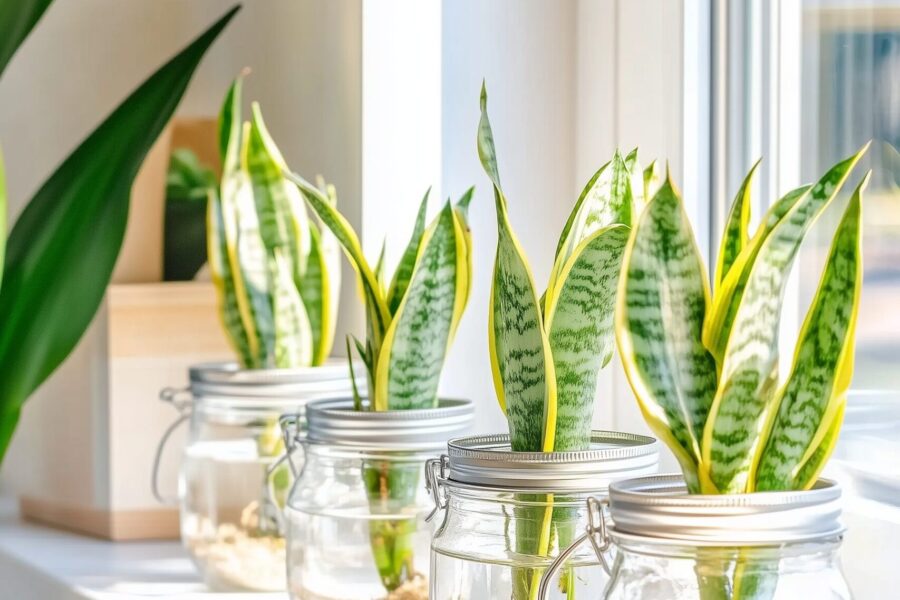
Want to expand your collection? Propagation is easy. For leaf cuttings, snip a healthy leaf, let it callus over for 1–2 days, then dip the cut end in rooting hormone powder before placing it in damp soil. Alternatively, you can propagate in water using beautiful wall hanging propagation planters—just ensure roots develop before transferring to soil. To speed up rooting in winter, place the cuttings on a heat mat.
Shop: pruning shears
What Are the Most Common Snake Plant Problems (and Fixes)?
Even the easiest plants can have issues if their environment shifts too much. A few common problems to watch for:
- Soft, mushy leaves: Classic overwatering. Trim away damaged parts and let soil dry fully before watering again.
- Yellowing: Poor drainage or too much fertilizer. Check your pot size and reduce feedings.
- Brown leaf tips: Low humidity or fluoride sensitivity from tap water. Switch to filtered or rainwater.
- Pests: Spider mites or mealybugs can appear in dry air. Wipe leaves with neem oil spray or insecticidal soap. Sticky gnat traps are helpful too.
- Fungal spots: Caused by poor airflow or overwatering; treat with a gentle fungicide spray.
Shop: neem oil for plants
How Do You Repot a Snake Plant Without Stressing It?
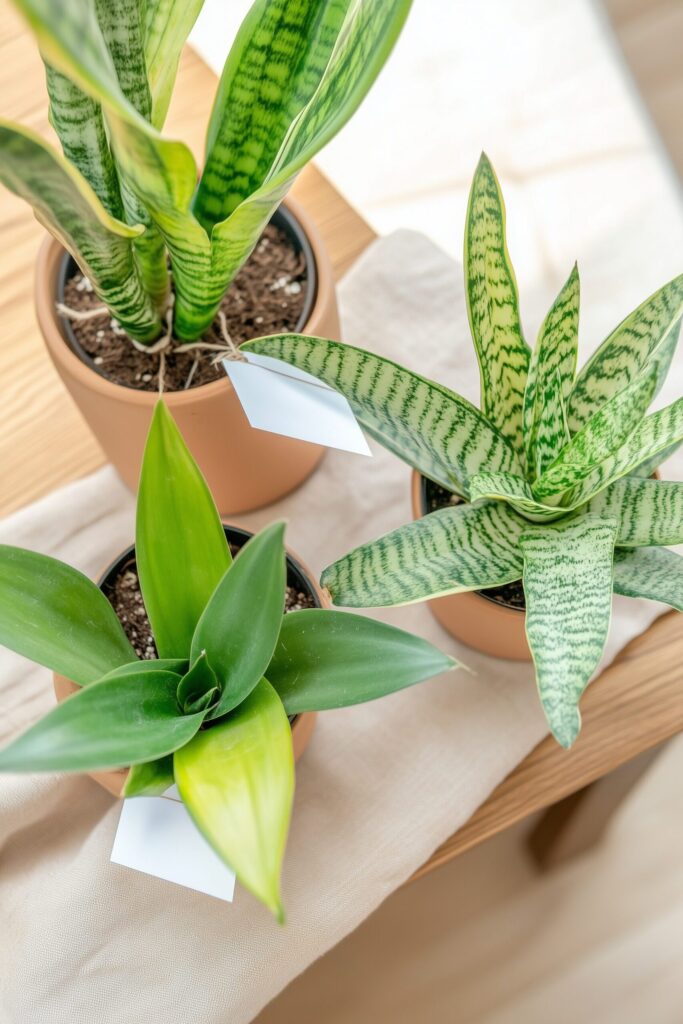
While snake plants enjoy being a little root-bound, you likely will only need to repot every 2-3 years, or whenever you see roots growing out of the drainage hole. When it is time to choose a pot, a pot that is only one size larger than the current pot size should suffice. I highly recommend using your soil mixture that you have prepared in advance. Transferring the soil into the new pot should be easy, especially with a scoop, to help keep the process neat and tidy. After repotting avoid watering for a week, to let the roots settle into the new soil.
Consider self watering terracotta pots if you want to make life even easier—these naturally regulate moisture and reduce watering guesswork. Once your plant adjusts, new growth will appear thicker and more upright.
Shop: repotting tools for plants
How Can You Style and Display Your Snake Plant?
In addition to care, styling is an important factor! Snake plants add both vertical height and texture, so take advantage of that! Place them in corners or by mirrors or entryways for instant elegance. Pair taller varieties with hanging planters for contrast, or group smaller ones with trailing plants on a shelf. You can also create a vertical green accent wall using propagation planters or minimalist stands.
These styling ideas not only enhance your space, they keep your plant visible so you’ll notice any early signs of stress or new growth right away.
Shop: hanging planters indoor
How Do You Keep Snake Plants Thriving All Year Long?

The key to caring for your houseplants all year round is adapting care according to the seasons. During the spring and summer, you will want to focus on giving adequate sunlight, possibly some fertilizer, and watering your plants more often as they grow at a faster rate. During the fall and winter months, however, you will have to do the opposite; provide less water, no fertilizer, and keep the temperatures warm and consistent. Wipe leaves monthly with a fine mister or damp cloth to remove dust and keep photosynthesis strong. A small air purifier nearby also supports cleaner airflow around your plants, especially during closed-window months.
Take a minute to observe the subtle changes in your plant’s leaves throughout the year—firmer, taller growth in summer and a brief rest in winter. Your Sansevieria will thrive with consistency more than anything else. Just a bit of attention each month keeps them lush for years to come.
Shop: snake plant care tools
Final Thoughts on Simple, Seasonless Snake Plant Care
Remarkable resilience exemplified by snake plants simply means that they may sometimes choose not to demand much from you but it’ll never stop rewarding you. From mindful simplicity, snake plants quietly become the saviors of our indoor spaces by filtering air, providing structure, and lifting spirits. Whether you enjoy having plants & collecting plants with purpose and intention versus just bringing something in to a space that is green & you can’t mess up, your Sansevieria can thrive all year round with the guidelines below.
Remember: bright but indirect light, moderate watering, free draining soil, and sometimes feeding during active growth. That is honestly all it takes. The benefit is that once you get into a routine that is consistent, there really isn’t that much to do with the plant. Cheers to your happiest healthiest snake plant!
This post was all about Snake Plant Care Made Simple: How To Keep Your Sansevieria Thriving All Year.
FAQs
How long can snake plants go without water?
In ideal indoor conditions, up to four weeks or even longer in winter. Always check soil dryness before watering.
Can snake plants live in low light?
Yes, but they’ll grow slower and may lose vibrant coloration. Rotate occasionally to keep them from leaning.
Why are my snake plant leaves curling?
This is often a sign of underwatering or sudden temperature drops. Adjust your watering routine and move it away from drafts.
Do snake plants clean the air effectively?
They do help filter toxins and refresh indoor air—especially when combined with a quality air purifier.
Should you mist snake plant leaves?
No, snake plants don’t need misting. Their thick leaves store moisture, and excessive humidity can cause spots or rot.


Leave a Reply