
You may have encountered it before—tall, striking leaves with sharp, pointed tips that stretch toward the light in confidence. The sansevieria, or snake plant or mother-in-law’s tongue, is one of the best-known houseplants in the world. Maybe you spotted it first in your grandma’s hallway, gaining water every few weeks but still surviving. Or maybe you saw one in a trendy café place that threw a sculptural touch. No matter how you came across it, one thing is for sure: this plant is tough, beautiful, and virtually impossible to kill—which is exactly why you need one, especially as a beginning plant parent.
In this ultimate beginner’s guide to the sansevieria, we’re going to dive into everything you need to know to successfully grow, care for, and love your sansevieria. From which variety to choose, what potting mix to use, and when to water it, to how much light your plant gets and knowing what to do if your plant runs into issues over time, this post will help you feel confident in your ability to care for this incredible plant. In just a few minutes reading this post, you’ll know everything you need to know to grow a beautiful, impressive, thriving sansevieria that is still low-maintenance.
The good news is that if you can remember just two simple rules, you can keep a sansevieria happy. First, let the plant dry out between watering. Second, give the plant bright, indirect light. Don’t let it stress you out if your lighting isn’t perfect—this plant really is okay with a little neglect. With that said, I invite you to continue reading for the full beginner’s breakdown in our Sansevieria 101: The Ultimate Beginner’s Guide to Growing This Iconic Houseplant.
Shop: sansevieria plant
What Makes Sansevieria the Perfect Houseplant for Beginners?
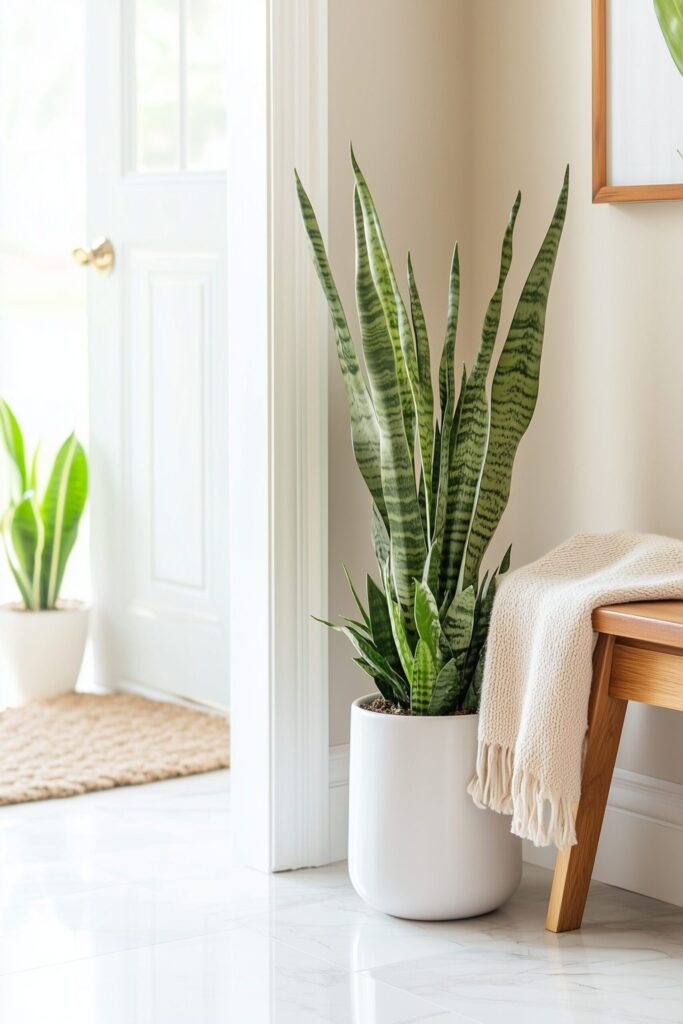
With the nickname “unkillable,” sansevierias make the perfect beginner plant for new indoor gardeners. This is because they are native to Africa and southern Asia and can tolerate extreme drought, low light, and any type of care – including a lack thereof. This is thanks to the fact they store water in their thick, sword-like leaves, which helps them thrive despite being watered inconsistently or not at all.
They additionally serve as an air purifier. In fact, NASA’s Clean Air Study even documented sansevieria’s capability to remove multiple toxins, including formaldehyde and benzene, from indoor environments. Basically, you are getting a sculptural piece of living art that is working hard to detox your air. These plants also come in a variety of sizes which means they perfectly suit any lifestyle. Whether you want a small table accent or a large floor plant in a corner, they fit your needs.
If you are worried about starting with something fragile, then sansevieria is the way to start. After you establish their straightforward light and watering rhythm, they really start to care for themselves.
Shop: sansevieria pot
How Do You Choose the Right Sansevieria Variety?
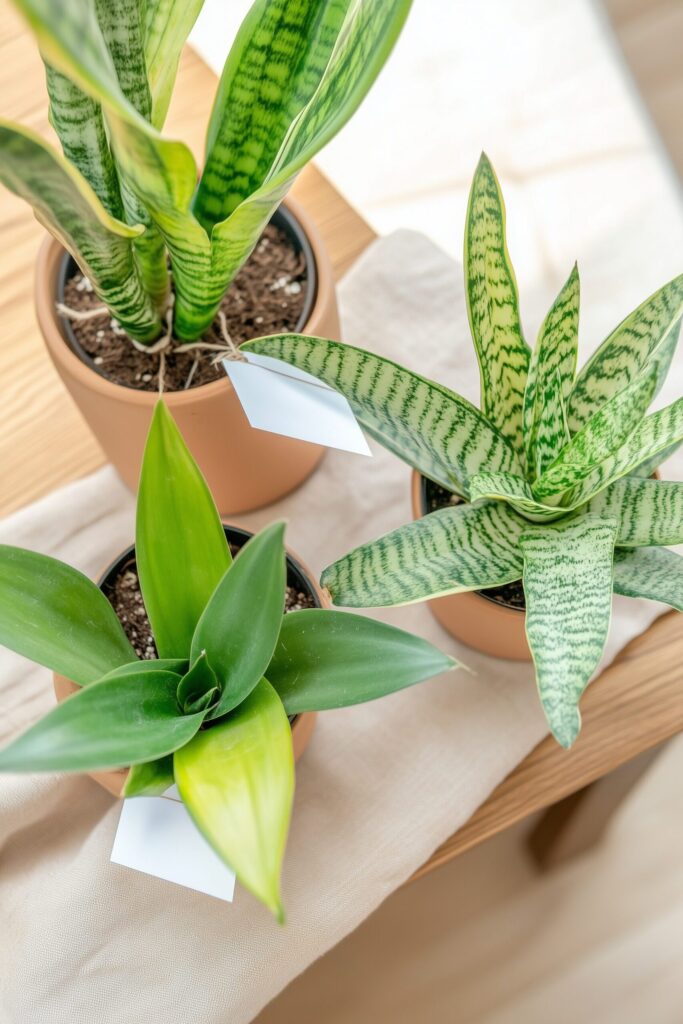
There are dozens of sansevieria varieties, each with its own unique pattern and leaf shape. You might love the classic Sansevieria trifasciata ‘Laurentii’ with green leaves edged in gold, or the compact, cylindrical form of the Sansevieria cylindrica. For smaller spaces, try the dwarf “Hahnii” varieties, also known as bird’s nest snake plants, which form beautiful rosettes perfect for desktops or small shelves.
Here are a few beginner-friendly options to consider:
- Sansevieria trifasciata ‘Zeylanica’ – deep green with subtle silver markings.
- Sansevieria ‘Moonshine’ – pale, silvery-green leaves that brighten in indirect light.
- Sansevieria cylindrica – round, tubular leaves that make a stunning architectural statement.
- Sansevieria masoniana “Whale Fin” – large leaf variety that looks bold and dramatic.
Each variety behaves similarly when it comes to care, so pick based on your space’s size and your personal aesthetic. The real secret? Mixing varieties of sansevieria together can make a show-stopping corner of greenery that looks intentional and curated.
Shop: sansevieria varieties
What’s the Best Soil and Potting Mix for Sansevieria?
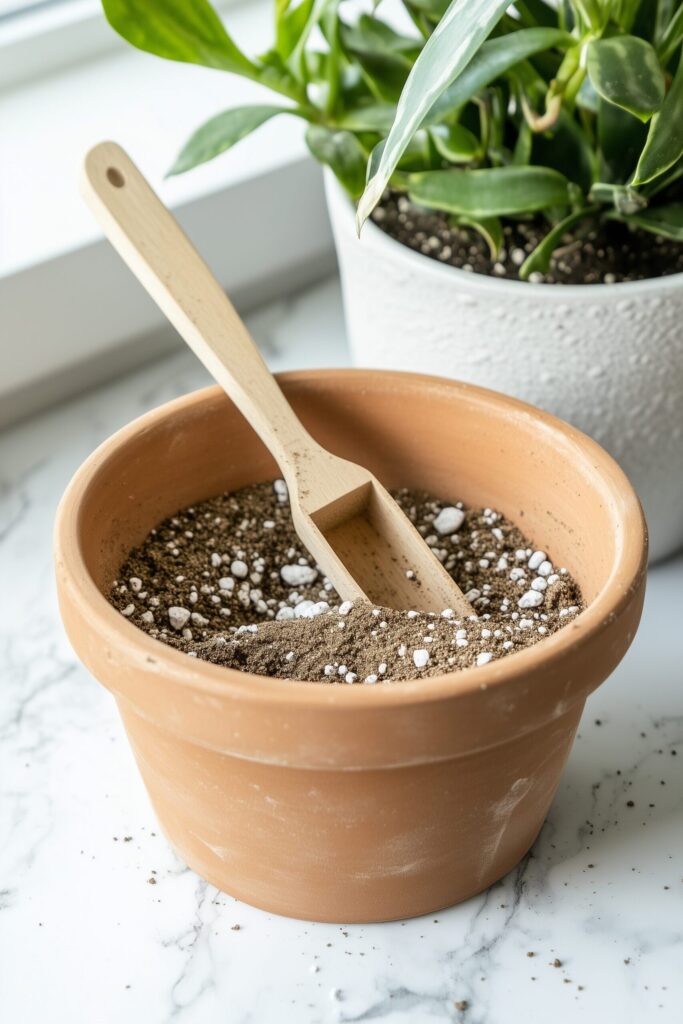
The single biggest mistake new sansevieria parents make is overwatering—and that often starts with the wrong soil. Sansevierias hate soggy roots. Choose a fast-draining potting mix designed for succulents or cacti. If you want to make your own, mix together one part all-purpose indoor potting mix, one part perlite, and one part orchid bark mix. This combination creates airflow and prevents root rot.
Adding a handful of peat moss or activated charcoal can enhance drainage and maintain freshness. Always plant in a pot with drainage holes, and consider using drainage trays to protect your surfaces. For those who prefer low-maintenance, self watering terracotta pots provide even moisture without soaking the roots.
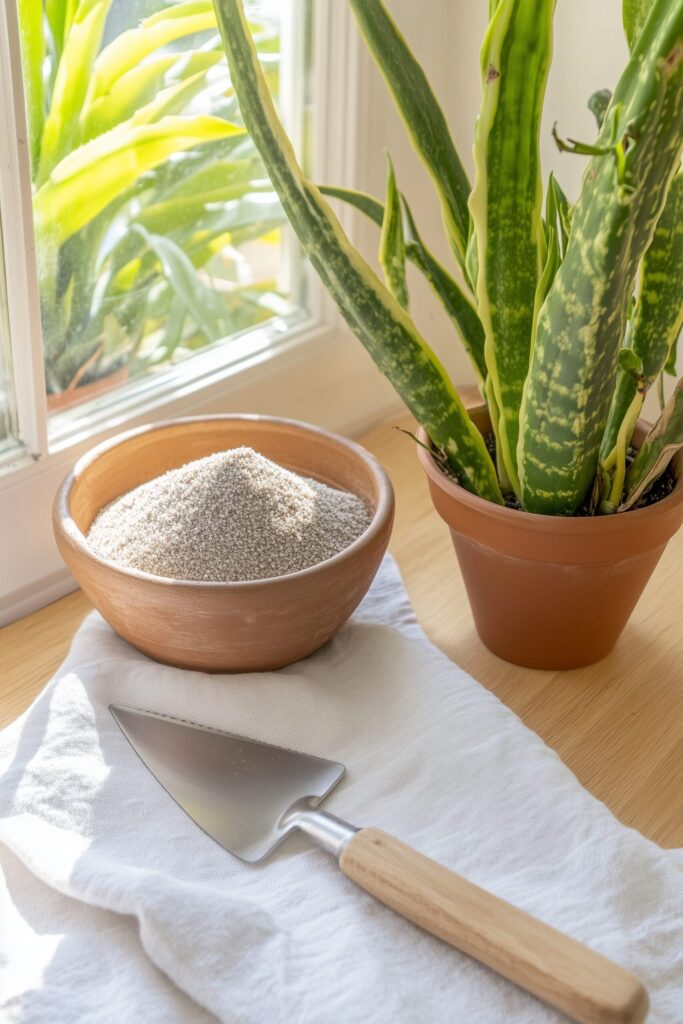
When repotting, use a soil scoop to avoid mess and gently loosen the roots. Sansevierias actually prefer to be slightly root-bound, so don’t repot until roots start creeping above the soil surface.
Shop: sansevieria soil
How Much Light Does a Sansevieria Need?
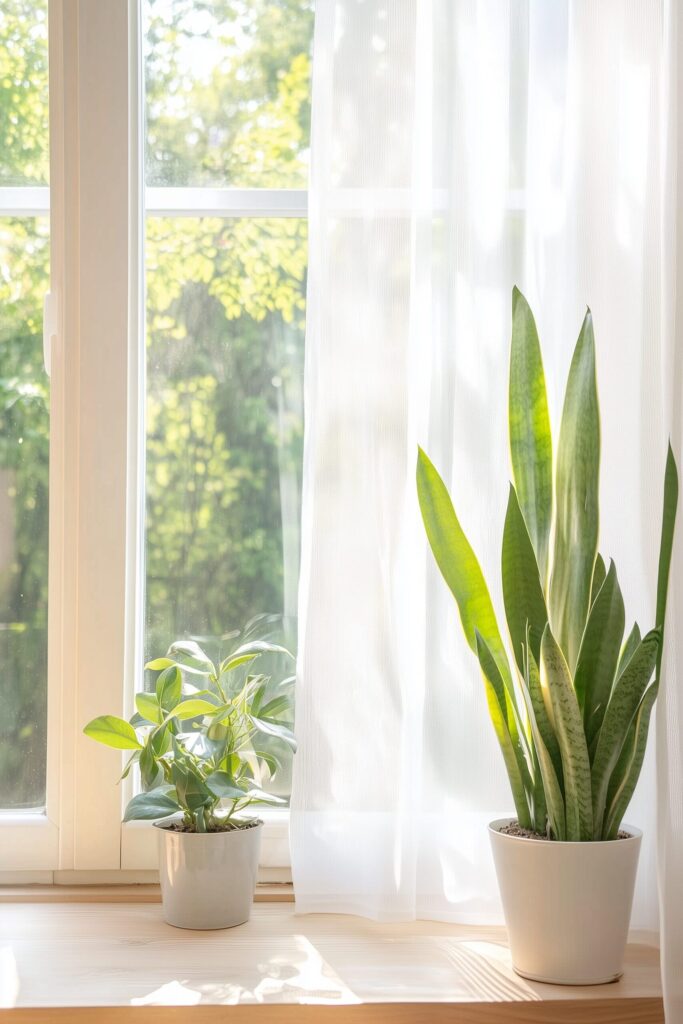
The beauty of the sansevieria is its adaptability. These plants prefer bright, indirect light, but can tolerate low-light environments when other plants are wilting. If you happen to have a sunny window, be sure to place your sansevieria a few feet away in order to avoid leaf scorch. East or west facing windows will work best.
If your home doesn’t have great natural light (think basement apartments or offices), supplement with LED grow lights or full-spectrum grow bulbs. Even a few hours of artificial light daily can help maintain vibrant leaf color and steady growth.
Rotate your sansevieria every few weeks using light as your guide—this prevents the leaves from leaning too much to one side and keeps the growth even.
Shop: sansevieria grow light
How and When Should You Water Sansevieria?
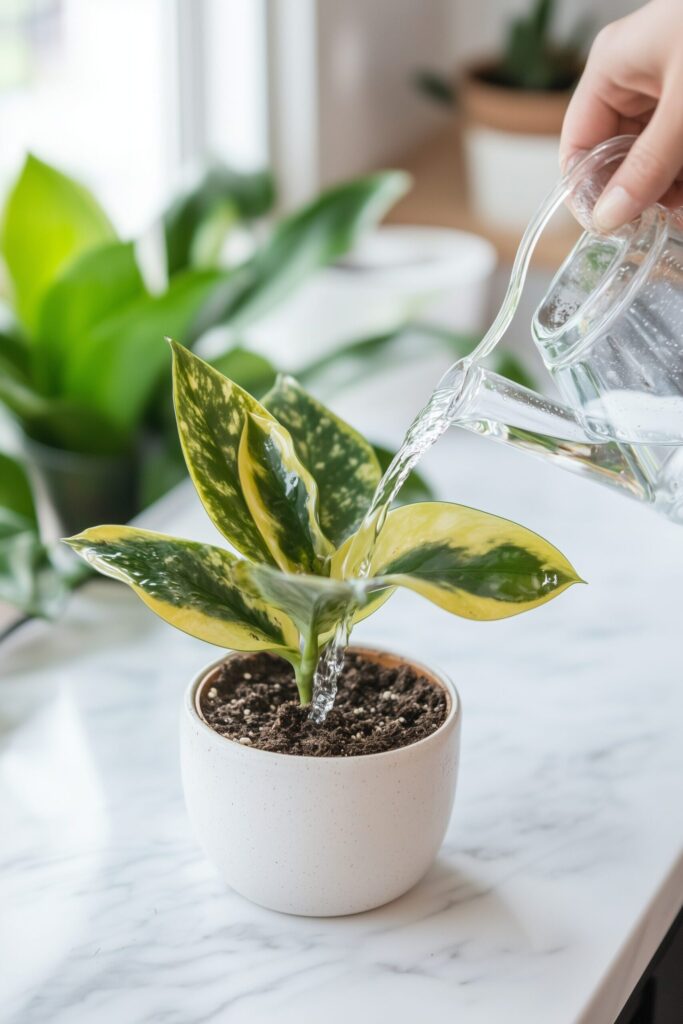
Where many new plant owners go wrong is the idea that you should be increasingly generous with your watering, when in truth, you want to water less. Lots of water means waterlogged soil, which will rot your sansevierias roots. As you adjust to your new plant, try this routine: Water only once the top two inches of soil is completely dry! Use a reliable moisture meter if you’re unsure—it takes the guesswork out of watering.
In the summertime or its active growing season, watering every 2-3 weeks is usually adequate. In winter, once a month, if you’re feeling conservative, works perfectly. Use a long-spout gooseneck watering can for precision, and consider self-watering globes if you travel often.
Aim to water at the soil line to minimize water settling on your leaves. If you’ve accidentally watered too much, just tilt your pot. Once you find this consistent rhythm, you will be rewarded with healthy leaves standing tall.
Shop: sansevieria watering can
What Are the Ideal Temperature and Humidity Levels for Sansevieria?
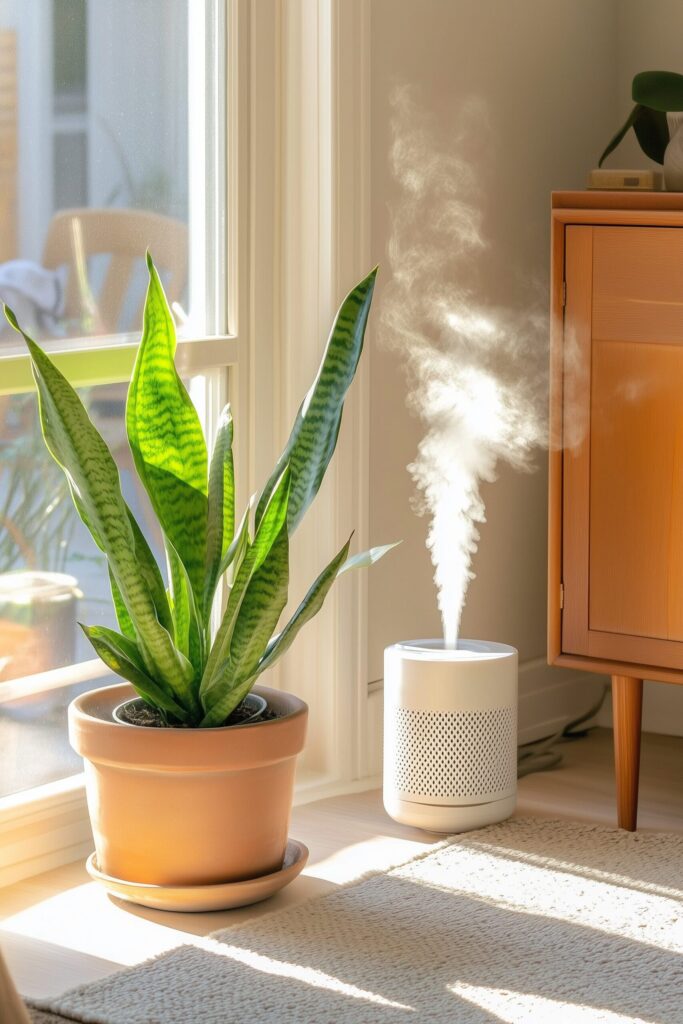
Sansevieria is typically happy under common household conditions with an optimal temperature range of 60°F and 85°F. Avoid exposing it to cold drafts and hot vents. Humidity isn’t a key factor for this plant, but if you keep it around 40–60% it will do better. Use a hygrometer to monitor your environment and, if needed, add a humidifier in dry climates or a dehumidifier in overly damp rooms.
If you live in a particularly cold region, placing your sansevieria on a heat mat during winter can encourage steady growth and root health.
Shop: sansevieria humidifier
How and When Should You Fertilize Sansevieria?
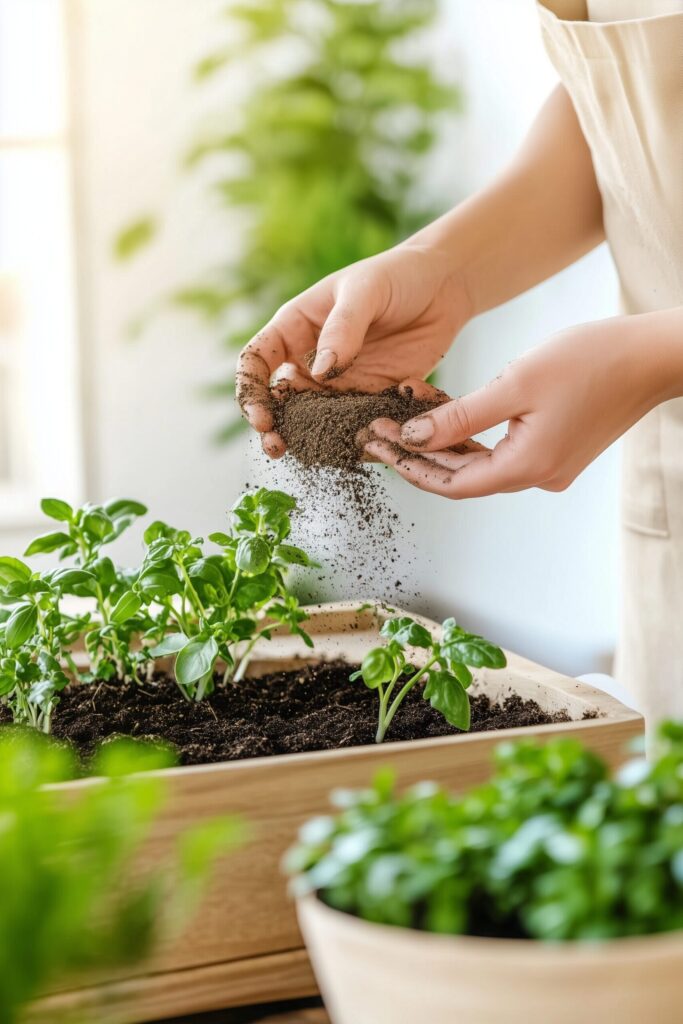
Even though sansevierias are low-maintenance, they benefit from light feeding during the growing months (spring and summer). Use a diluted all-purpose organic liquid fertilizer once every month or choose slow-release fertilizer pellets for steady nourishment. Another great option is mixing in worm castings for a natural nutrient boost.
Avoid fertilizing in winter when the plant’s growth slows naturally. If you ever notice leaf yellowing or mushy roots, pause fertilization and let it recover before resuming.
Shop: sansevieria fertilizer
How Do You Propagate Sansevieria?
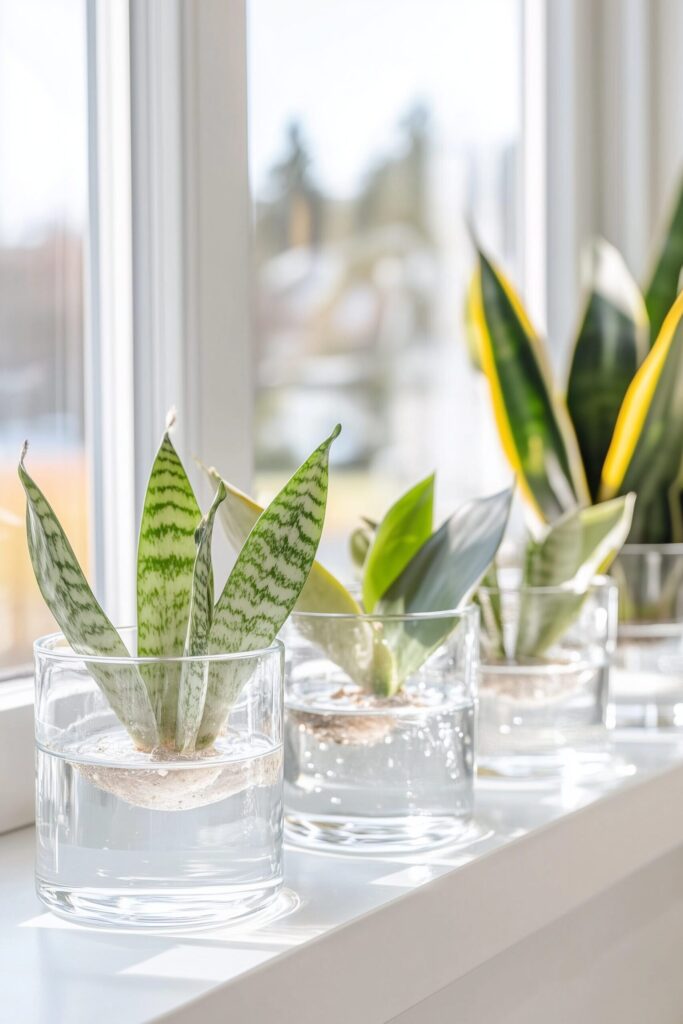
Making more sanseveria is a great benefit— and very easy! It can be propagated by dividing the root ball while repotting or cutting some of the leaves from a mature plant. For division, gently separate any new pups that form at the base using a clean pair of pruning shears. For leaf cuttings, cut a healthy leaf into sections a few inches long and dip the ends in rooting hormone powder before planting them in a well-draining mix.
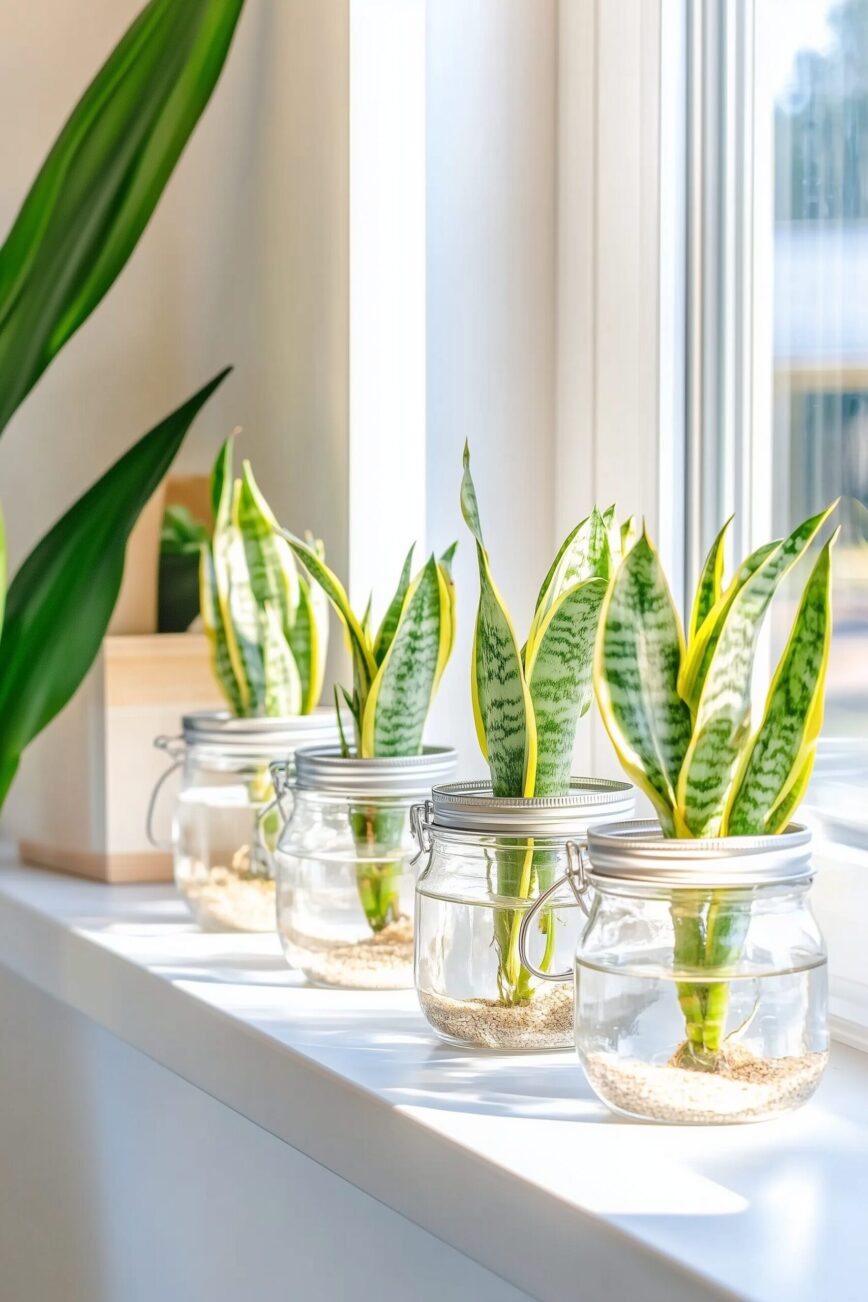
You can also propagate in water using wall hanging propagation planters for a stylish approach. Once the roots emerge to an inch long, you can transplant into the soil, and care for it just like an adult plant. Propagation allows you to not just increase your collection but is a truly meaningful and considerate gift for those in your family and friends group that have a plant preference.
Shop: sansevieria propagation kit
How Do You Prevent Pests and Diseases in Sansevieria?
While sansevierias are incredibly resilient, they can still attract pests like mealybugs or spider mites if neglected. Regularly wipe leaves with a soft cloth and inspect for tiny white webs or sticky residue. If you spot pests, treat them promptly with neem oil spray or insecticidal soap. Fungus gnats sometimes appear if the soil stays damp—use sticky gnat traps and a sprinkle of diatomaceous earth to get rid of them.
Root rot is the most common disease, usually due to overwatering. Let your soil dry fully before watering again, and remove any mushy or dark roots immediately.
To keep your indoor air fresh and clean, especially near clusters of plants, consider a large air purifier or small air purifier to maintain circulation.
Shop: sansevieria pest control
What Are the Most Common Sansevieria Mistakes (and How to Avoid Them)?
Every plant parent learns through trial and error, but with sansevieria, you can skip the rookie mistakes:
- Overwatering: The biggest killer. Always check soil dryness before adding water.
- No drainage holes: Traps water and suffocates roots. Always use well-draining pots.
- Too little light: Causes leggy, floppy leaves. Rotate toward brighter light sources or use a grow lamp.
- Overfertilizing: Leads to leaf burn. Less is better with snake plants.
- Cold drafts: Keep away from air conditioners or winter windowsills.
A sansevieria’s strength is its adaptability. Treat it like the desert-loving beauty it is—minimal fuss, occasional watering, and gentle admiration.
Shop: sansevieria care kit
Final Thoughts: Why Sansevieria Deserves a Place in Every Home
Not only is the sansevieria a popular houseplant today, it’s also a classic representation of fortitude, endurance, and understated beauty. In a rushed lifestyle, it reminds us that growth doesn’t have to get complicated. If you’re brand new to houseplants, or you have a collection, this robust green companion will produce satisfaction and serenity with minimal intervention.
In simple terms, the sansevieria is the plant that meets you where you are. If you forget to water, it forgives you. If your light isn’t ideal, it will adapt. And, if you give it a little love, it will last for years while you grow too. Get one for your space and you may just become a lifelong sansevieria fan!
This post was all about Sansevieria 101: The Ultimate Beginner’s Guide to Growing This Iconic Houseplant.
FAQ
How often should I water my sansevieria?
Every two to three weeks is ideal in summer, and about once a month in winter. Always check that the soil is completely dry before watering.
Can sansevieria grow in low light?
Yes! It’s one of the few plants that truly tolerates low light. However, growth slows down, and color may lighten slightly—supplement with grow lights if needed.
How do I know if my sansevieria needs repotting?
When you notice roots pushing above the soil or circling the pot bottom, it’s time to repot—usually every two to three years.
Are sansevierias toxic to pets?
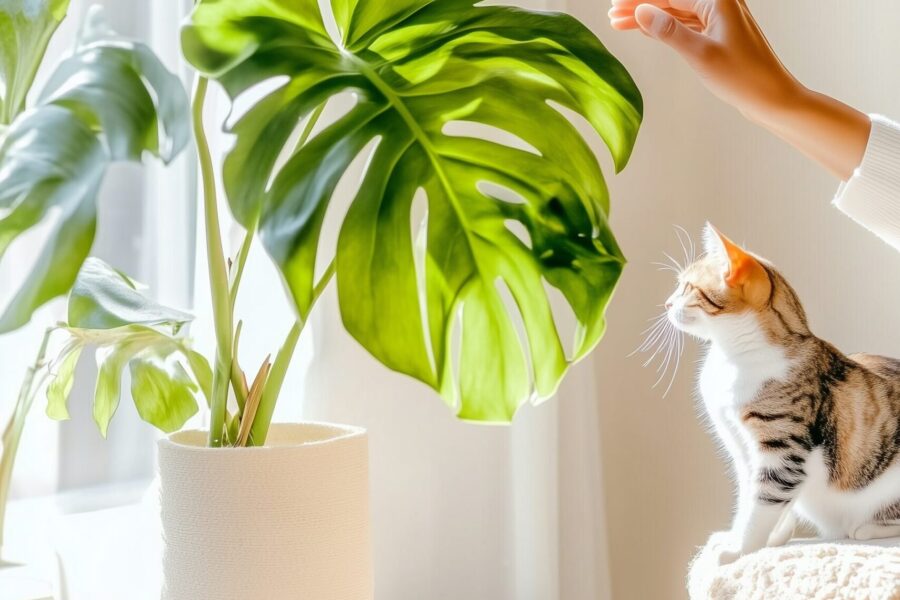
Yes, they can be mildly toxic if ingested, so keep them out of reach of cats and dogs.
What’s the best way to prune a sansevieria?
Use clean pruning shears to remove damaged or yellowed leaves from the base. This encourages new, healthy growth.



Leave a Reply